Sakuntala Narasimhan, a classical vocalist who sang in both the Carnatic and Hindustani traditions and a long-time journalist, author and consumer rights campaigner, died in Bengaluru, Karnataka, on 18 November 2026. She was 86.
Her daughter, physicist Shobhana Narasimhan, a professor at Bengaluru's Jawaharlal Nehru Centre for Advanced Scientific Research, told PTI that her mother died at a care home due to age-related ailments. The Hindu reported that she had fallen seriously ill in the past month and had been diagnosed with cancer, which progressed rapidly.
Who was Sakuntala Narasimhan?
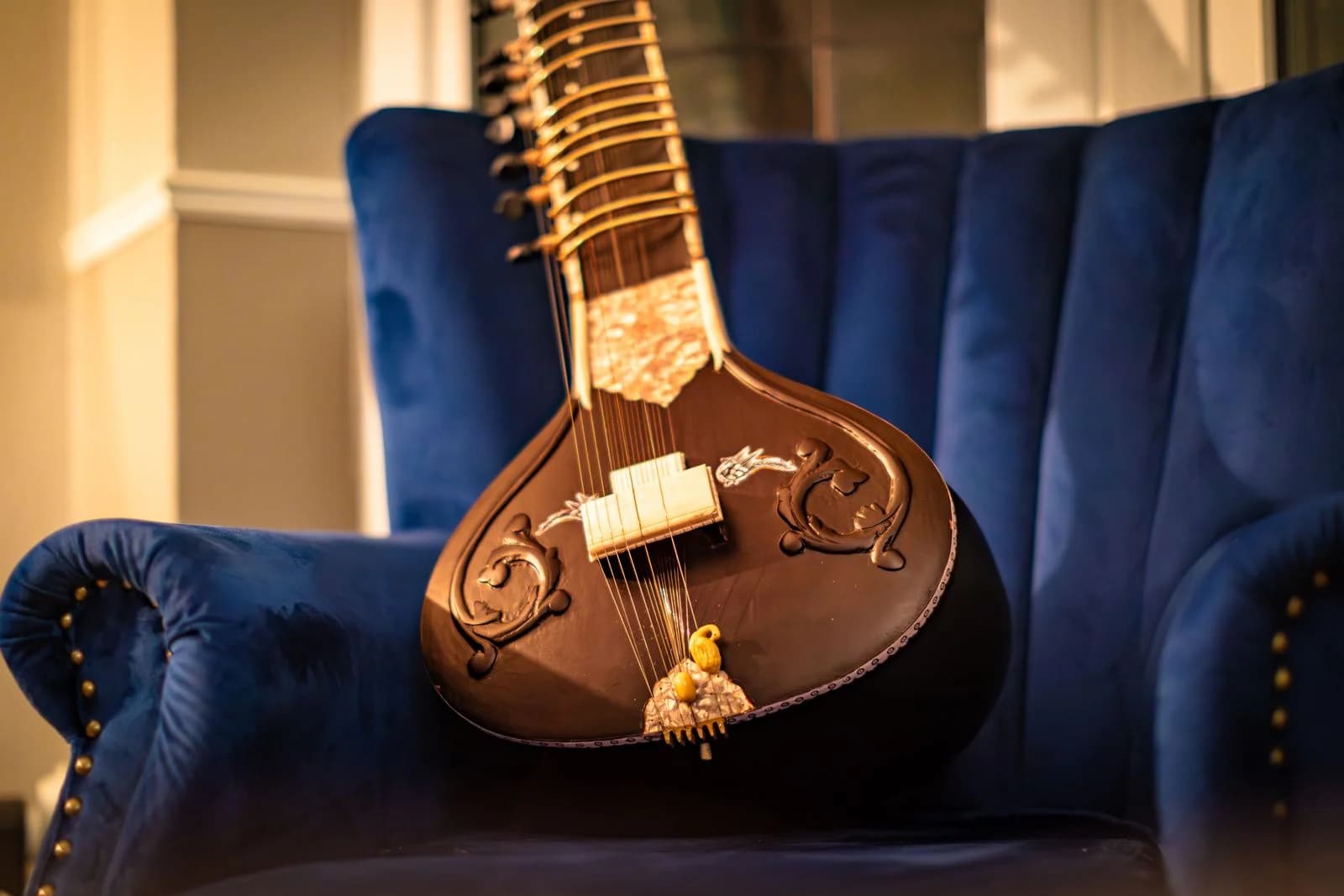
She was one of the rare Indian musicians trained in both of the country's classical systems, and could switch between them in a single performance, a feat her students describe as a "self-jugalbandi". According to her daughter, she was the only vocalist in India to perform in both Carnatic and Hindustani styles on All India Radio.
Her student, the singer Archana Udupa, told The Hindu that she was the only artiste graded "A-top", a level above A grade, on both All India Radio and Doordarshan in both traditions.
She was introduced to Carnatic music by her mother. Her move to Hindustani music, her daughter recalled, began with a single song her mother taught her for a competition, which she won. She later trained under Ustad Hafeez Ahmed Khan of the Rampur-Sahaswan gharana.
How did she become a journalist?
Her writing career began after a personal setback. When her first child was very young, she lost her voice for reasons doctors could not identify, and she was unable to sing for some years. Confined to home, she started writing, and won a national short story competition run by Femina magazine.
After her son was born she joined The Times of India as a journalist, and later worked with Deccan Herald for 27 years, according to PTI's report carried by India Today. She wrote for several newspapers as a columnist for decades.
She had left a PhD in economics unfinished after her daughter's birth. Years later, after Shobhana completed her own doctorate in 1991, she went on to earn two PhDs, in women's studies and in musicology.
Books, causes and recognition
She wrote 11 books on music, consumer rights and women's issues. They include Sati: Widow Burning in India, Born Unfree, Kamaladevi Chattopadhyay: The Romantic Rebel and Empowering Women: An Alternative Strategy from Rural India.
Journalist and documentary filmmaker Nupur Basu, who knew her for about four decades, told The Hindu that women columnists were rare in those years and described her as "a public intellectual".
She received the Karnataka Rajyotsava Award in 2016, at the age of 76, but no national-level honour. Archana Udupa, who began learning from her at the age of eight, said the music world had not celebrated her enough. "She received the state award too late, it should have come much earlier," Udupa told PTI.
"She was the only A-top artist... in both All India Radio and Doordarshan, and both in Carnatic and Hindustani. I think our industry could have celebrated her even more." – Archana Udupa, to The Hindu
A life of speaking up
Shobhana Narasimhan said her mother raised her to believe that gender was no limit. "She also taught me that if there is injustice, you must fight it and not keep quiet," she told The Hindu. According to PTI, Sakuntala Narasimhan last performed about five years ago, and kept writing and singing until her health declined.