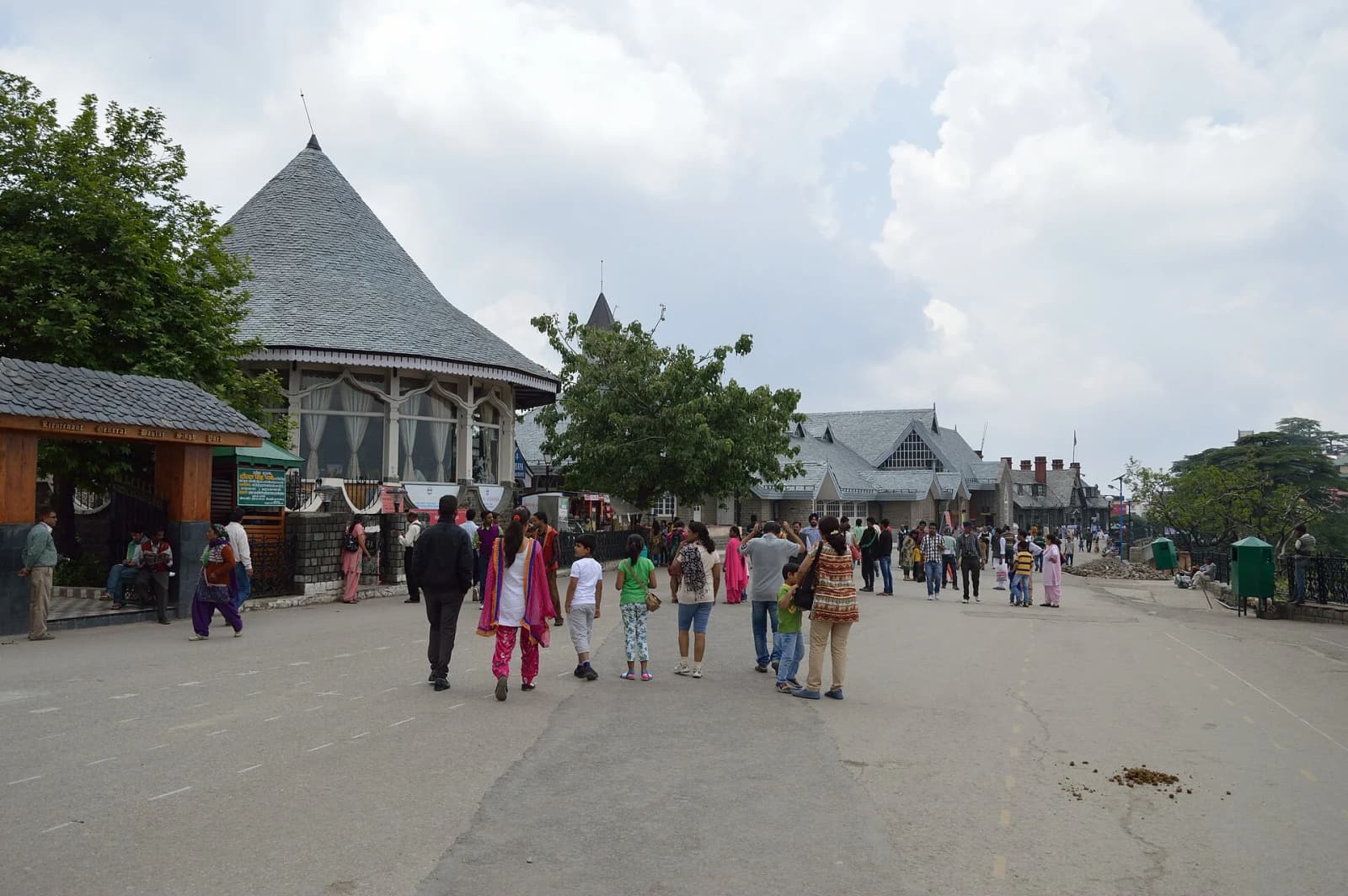
Rural artisans, weavers and farmer groups from 10 states have set up shop on The Ridge in Shimla, Himachal Pradesh, after the National Bank for Agriculture and Rural Development (NABARD) opened its Grameen Bharat Mahotsav – Himachal Pradesh 2026 on 19 November 2026. The fair at the Padamdev Complex will run until 28 November, according to a Press Information Bureau release from Shimla.
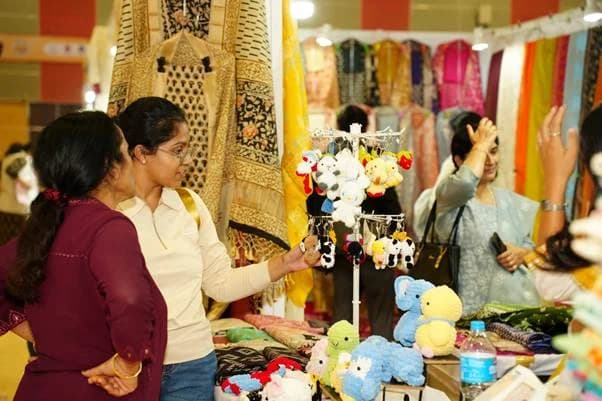
Dr. Vivek Pathania, Chief General Manager of NABARD's Himachal Pradesh Regional Office, inaugurated the event in the presence of other NABARD officials. Forty stalls are run by rural artisans, weavers, Self Help Groups (SHGs), Joint Liability Groups (JLGs), Farmer Producer Organisations (FPOs) and Off-Farm Producer Organisations (OFPOs), who are displaying and selling their products directly to visitors.
What is on offer from Himachal Pradesh?
Himachal Pradesh, the host state, has 14 stalls drawing on districts across the hill state. The list shared by NABARD includes seabuckthorn products from Spiti, knitted socks from Lahaul, the Kullu Ransingha along with metal and wood craft, Himachali wood carving and Chamba chappals.
Food and farm produce also feature: herbs, pulses and dry fruits from Pangi; woollens and dry fruits from Kinnaur; seera-badiyan, red rice, desi ghee and honey from Mandi; herbal teas and black-wheat dalia from Una; and millet sweets and apple products from Shimla. Solan's stall brings pine-needle and bamboo craft.
Which other states are taking part?
Producer groups from nine other states are showing GI-tagged and traditional products. Uttar Pradesh has brought GI wooden toys, Lucknow Chikankari and home textiles from Baghpat, while Jammu and Kashmir is represented by Basholi Pashmina shawls, stoles and mufflers.
- Gujarat: Kutch embroidery, Ajrakh block prints and bead art
- Madhya Pradesh: Bhedaghat stone craft and Bherugarh batik prints
- Maharashtra: Vidarbha Karvati silk sarees and Tussar silk
- Rajasthan: GI-tagged mehndi (henna), rose and phalsa products
- Punjab: Phulkari suits and dupattas, and millet products
- Haryana: stone-dust paintings, Sujini quilts and terracotta
- Uttarakhand: Bhimal fibre products, munj-grass baskets and woollens
Why does a fair like this matter to rural producers?
The fair lets village producers sell to customers without middlemen, which NABARD says helps them earn better prices. Speaking at the opening, Dr. Pathania said that meeting buyers face to face helps producers understand what the market wants, learn from artisans of other states and build lasting business links. "Every purchase here supports a rural family," he said.
NABARD describes the Mahotsav as part of its wider effort to bring producers, buyers and institutions together and to help GI-tagged and traditional crafts reach a larger audience. The bank has linked the event to the Vocal for Local campaign and the Viksit Bharat @2047 vision.
This year's edition also marks the International Year of the Woman Farmer 2026, with Self Help Groups and enterprises led by women given space at the fair.
The Shimla fair comes as Delhi's India International Trade Fair is also giving artisans a sales platform; MapMyTimes reported that the Social Justice Ministry's artisans' pavilion at IITF 2026 crossed ₹44.55 lakh in sales.
Who can visit, and until when?
The fair is open to the public until 28 November 2026. NABARD has invited Shimla residents, tourists, government departments, institutions and corporate buyers to visit and buy from the artisans before it closes. The release did not mention any entry fee or daily timings.
For travellers in Shimla over the coming week, the Mahotsav offers a chance to see crafts from across the country at one venue on The Ridge.
Photo source · Biswarup Ganguly, CC BY 3.0