A Russian ballistic missile attack on the centre of Kryvyi Rih, in Ukraine's Dnipropetrovsk region, killed a seven-year-old boy and a 20-year-old paramedic late on 20 November 2026, local officials said. Regional governor Oleksandr Hanzha said 60 people were wounded, including six children, the Associated Press (AP) reported on 21 November.
Kryvyi Rih is the hometown of Ukrainian President Volodymyr Zelenskyy. The strike came hours after a massive Russian missile and drone attack on Kyiv that damaged bridges over the Dnipro river.
What happened in Kryvyi Rih?
Two ballistic missiles were fired at an area near a popular restaurant in the city centre, according to Oleksandr Vilkul, head of the Kryvyi Rih Defence Council, as reported by the Kyiv Independent. A swarm of Shahed-type drones then struck while first responders were working at the scene, the newspaper said. Mr Vilkul said the follow-up attack targeted "rescuers, medical personnel, and utility workers".
The boy died in hospital from a head injury, and the young woman killed was a paramedic, the Kyiv Independent reported. Among the wounded were two paramedics and two members of the State Emergency Service, according to Mr Vilkul. "Just despicable creatures," he wrote of the attackers.
The casualty count rose through the night. Shortly before midnight, Mr Vilkul put the number of injured at 42, including four children, with 27 in serious condition, the state news agency Ukrinform reported. By the morning of 21 November, Mr Hanzha said 28 injured people were still in hospital, the Kyiv Independent reported.
How much damage was done?
The attack started four fires and damaged about 25 apartment buildings, a hospital, schools, an industrial facility, businesses and vehicles, AP reported, citing Ukrainian officials. Water, gas and electricity supplies were disrupted in several districts while repairs went on, the Kyiv Independent said.
How big was the overnight attack across Ukraine?
Ukraine's Air Force said Russia launched three ballistic missiles and 148 drones, including 87 jet-powered drones, overnight into 21 November, according to the Kyiv Independent. Air defences shot down or suppressed 117 drones, and strikes were recorded at 19 locations.
In the Kharkiv region, a Russian drone hit a five-storey apartment building, wounding 11 people including two children, and one person was hurt in Kyiv, AP reported, citing the State Emergency Service. Across Ukraine, attacks over the past day killed at least two people and injured 83, the Kyiv Independent said, citing local authorities. In Russia, local officials said Ukrainian drone attacks wounded three people in the Bryansk and Belgorod border regions on 21 November, according to AP.
Why does it matter?
The Kyiv Independent described the Kryvyi Rih strike as a "double-tap" attack, in which a second strike hits a site after rescuers arrive. It said Mr Zelenskyy warned in an interview on 20 November that Russia was increasing such repeat strikes. Attacks of this kind add to the toll on civilians, including children; UNICEF this week said 2026 has been the deadliest year for Ukraine's children in four years.
AP described the strike as part of a pattern of heavy Russian responses to high-profile Ukrainian attacks, including strikes this week on the Kerch Bridge linking Russia to annexed Crimea. Tensions have also risen with Europe after a Russian missile fell in eastern Poland during the 20 November barrage.
The violence comes as the United States mediates talks to end the war. AP reported that US President Donald Trump discussed the conflict with Russian President Vladimir Putin and Chinese President Xi Jinping at a summit in China on 19 November, and later called Mr Putin his "friend". In a CNN interview, Mr Zelenskyy called Mr Putin "a killer", AP said.
What is not yet confirmed?
Injury figures have varied between outlets as officials updated their counts, from 42 overnight to 58 and 60 on 21 November. Russia's defence ministry had not commented specifically on the Kryvyi Rih strike in the reports reviewed.
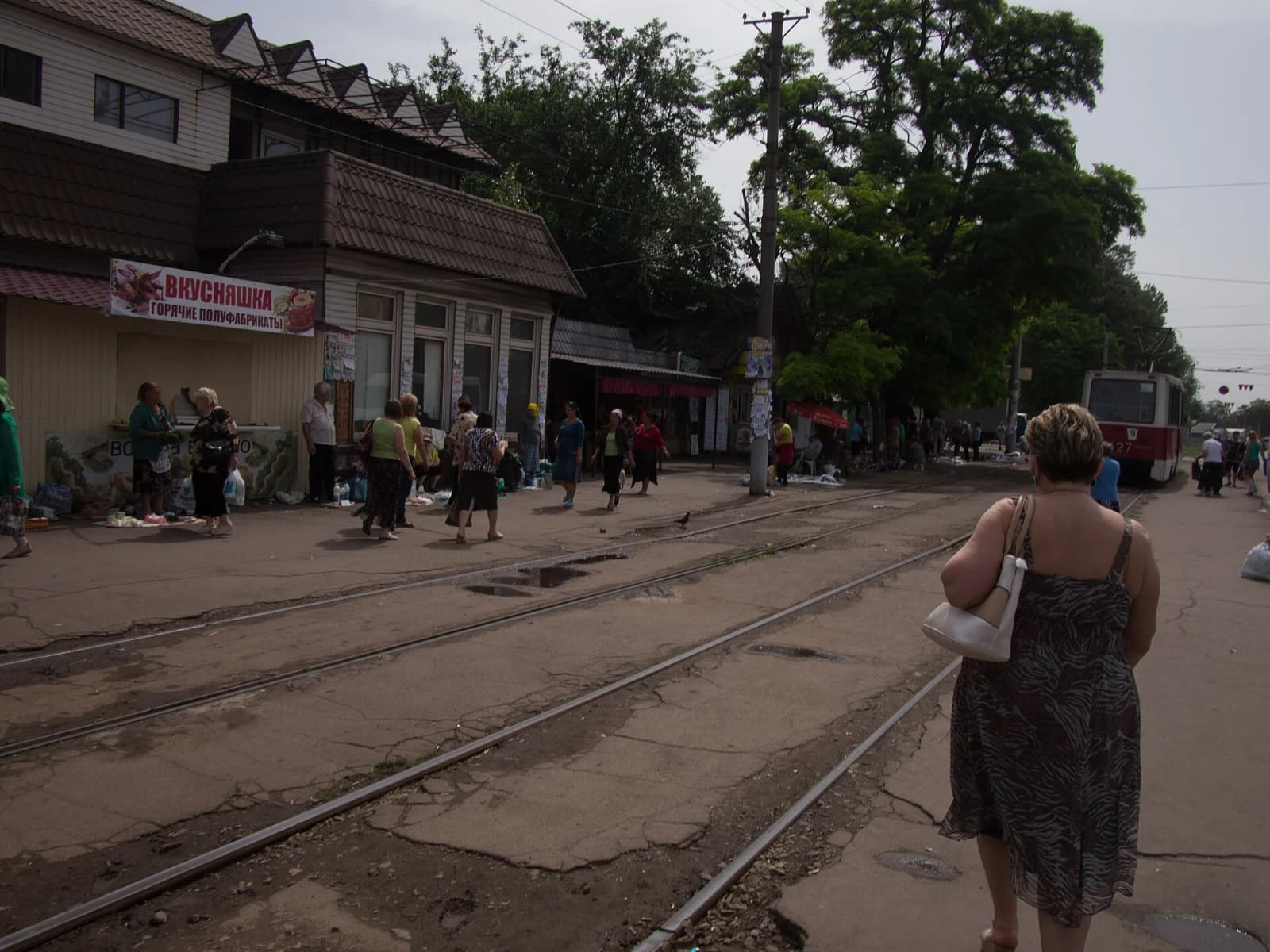
Photo source · Alan Turgutoglu, CC BY 2.0