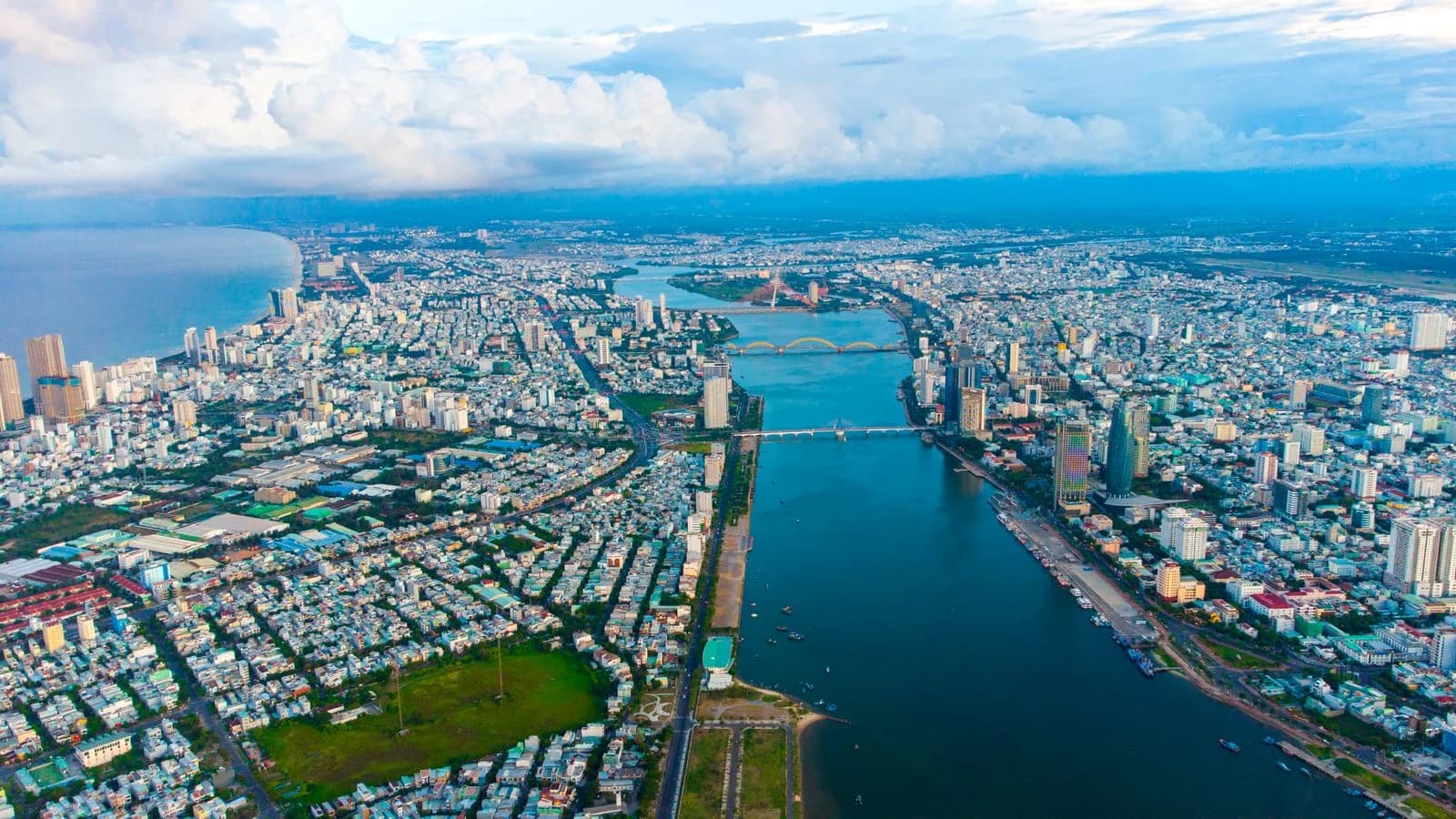
Two Russian Tu-95 strategic bombers, escorted by two long-range tanker aircraft, flew south from Russia's Far East on 17 November 2026 and were still parked at Da Nang airport in central Vietnam on 18 November, according to a Reuters analysis. Reuters described it as possibly Russia's most significant deployment of military aircraft across East Asia in more than a decade, and the flights alarmed the air forces of Taiwan and Japan.
Why does the timing matter?
The deployment came just as Russian President Vladimir Putin arrived in Shenzhen, China, for the Asia-Pacific Economic Cooperation (APEC) summit, ahead of his three-way meeting with US President Donald Trump and Chinese President Xi Jinping. MapMyTimes has explained what is at stake at the Shenzhen trilateral.
Chieh Chung, a researcher at Taiwan's Institute for National Defense and Security Research, told Reuters that Russia "chose to make this politically charged flight" before the summit, and said he could not rule out that it was meant to show close China-Russia cooperation.
How did Taiwan react?
Huang Chih-wei, vice chief of Taiwan's general staff, told reporters in Taipei on Wednesday that the flights "posed a threat to the peaceful and stable status quo in the Asia-Pacific region", according to Reuters reporting. No Japanese government statement was included in the Reuters reports. Russia's defence ministry and its embassy in Hanoi, Vietnam's foreign ministry and the US State Department did not respond to Reuters' requests for comment.
What message is Moscow sending?
Ian Storey of the ISEAS-Yusof Ishak Institute in Singapore said the deployment was meant to show that Moscow "can still project power into Southeast Asia" despite the war in Ukraine, and might also signal to Beijing that Russia's military ties with China remain strong. The Tu-95, known to NATO as the "Bear", is a long-range bomber, some versions of which are nuclear-capable; Reuters did not report that these aircraft carried nuclear weapons.
Nguyen The Phuong of the University of New South Wales said the stopover was ostensibly for refuelling but signalled a shift in Hanoi's approach that could lead to more such deployments. He suggested Vietnam may also be signalling to China over a reported military airfield project in Laos, and may have an eye on arms purchases, since Russia remains Vietnam's main arms supplier.
What is the background?
According to Reuters, Vietnam offered Russia preferential access to Cam Ranh Bay and Da Nang in 2014, when Russian tankers were sent to Da Nang to support Tu-95 flights near Guam. Storey said he was not aware of later deployments and that they may have been suspended after the administration of then US President Barack Obama complained to Hanoi. Moscow asked last year to revive the arrangement, and Hanoi was initially hesitant. Vietnam and China also remain at odds over parts of the South China Sea.
What is not yet known?
Neither Moscow nor Hanoi has publicly explained the purpose or duration of the deployment, and it is not known when the bombers will leave Da Nang.