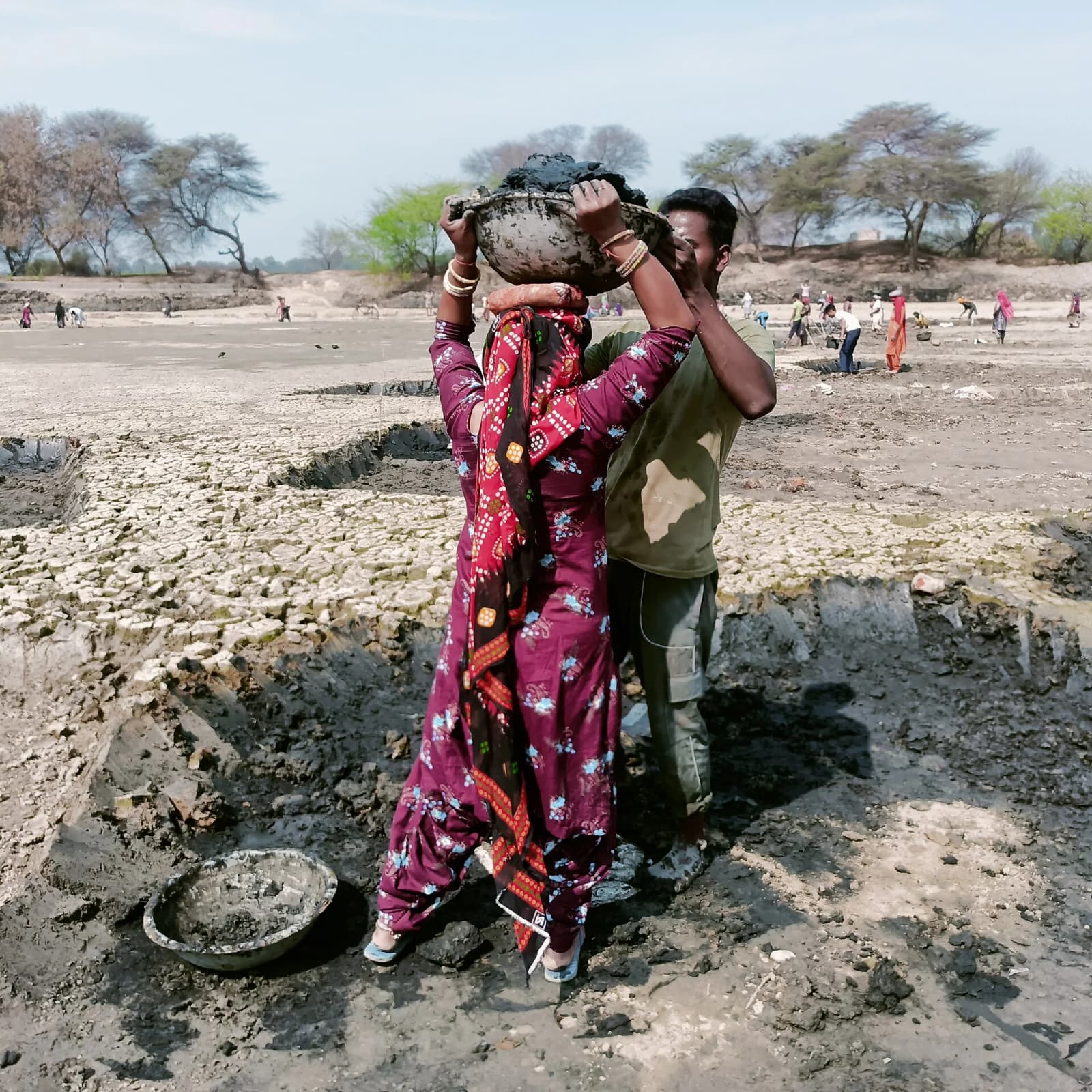
Rural workers who face problems with job cards, wage payments or worksite facilities under the Centre's rural employment law will be able to take their complaints to a district-level Ombudsperson, under guidelines announced by the Ministry of Rural Development on Wednesday, 18 November 2026.
The ministry said it has issued Guidelines for Ombudsperson and Appellate Authority under the Viksit Bharat – Guarantee for Rozgar and Ajeevika Mission (Gramin) Act, 2025, known as VB-G RAM G, to strengthen transparency, accountability and citizen participation in how the law is implemented.
What complaints the Ombudsperson will hear
According to the ministry, each district will have a dedicated Ombudsperson to deal with grievances about:
- job cards and employment;
- wage payments and compensation for delays;
- facilities at worksites and muster rolls;
- denial of entitlements guaranteed under the law.
The guidelines also cover discrimination, harassment and violations of workers' rights, including those of women and vulnerable groups, the ministry said. It described the Ombudsperson as an accessible route for rural citizens to file complaints and seek redress.
Who can be appointed
The ministry said the pool of people eligible for the post has been widened to include those with experience in rural development, public administration, law, academics, social work and management. Rules on tenure and pay have also been revised to support continuity, it said, and the guidelines stress field visits, engagement with communities and familiarity with digital platforms.
A digital platform and geo-tagged visits
A key part of the framework is a dedicated digital platform for Ombudspersons, the ministry said. It will be used to register and track complaints online, record proceedings, upload awards and monitor the action taken on them.
Photographs taken during field visits will carry geo-tags and time stamps, which the ministry said would improve documentation and make the handling of grievances easier to trace.
Social audits and gram sabhas
Under the guidelines, each Ombudsperson must attend at least three social audit public hearings or gram sabhas every month. The ministry said this would let them hear people's concerns directly and follow up where needed.
Findings from social audits and community feedback will be used together with individual complaints to spot discrepancies and take corrective action under the prescribed procedures, according to the ministry.
Why it matters
The ministry said the Ombudsperson and Appellate Authority system is meant to work alongside other checks under VB-G RAM G, including digital monitoring, public disclosure and social audit. Taken together, it said, these are intended to make implementation more transparent, tighten oversight and ensure that rural workers' grievances are handled through a structured and accountable process.
What happens next
The ministry's announcement did not give a timeline for appointing Ombudspersons in each district or for launching the digital complaint platform. Those details will determine how quickly workers can begin using the new mechanism.
PS · Mulkh Singh, CC BY-SA 4.0