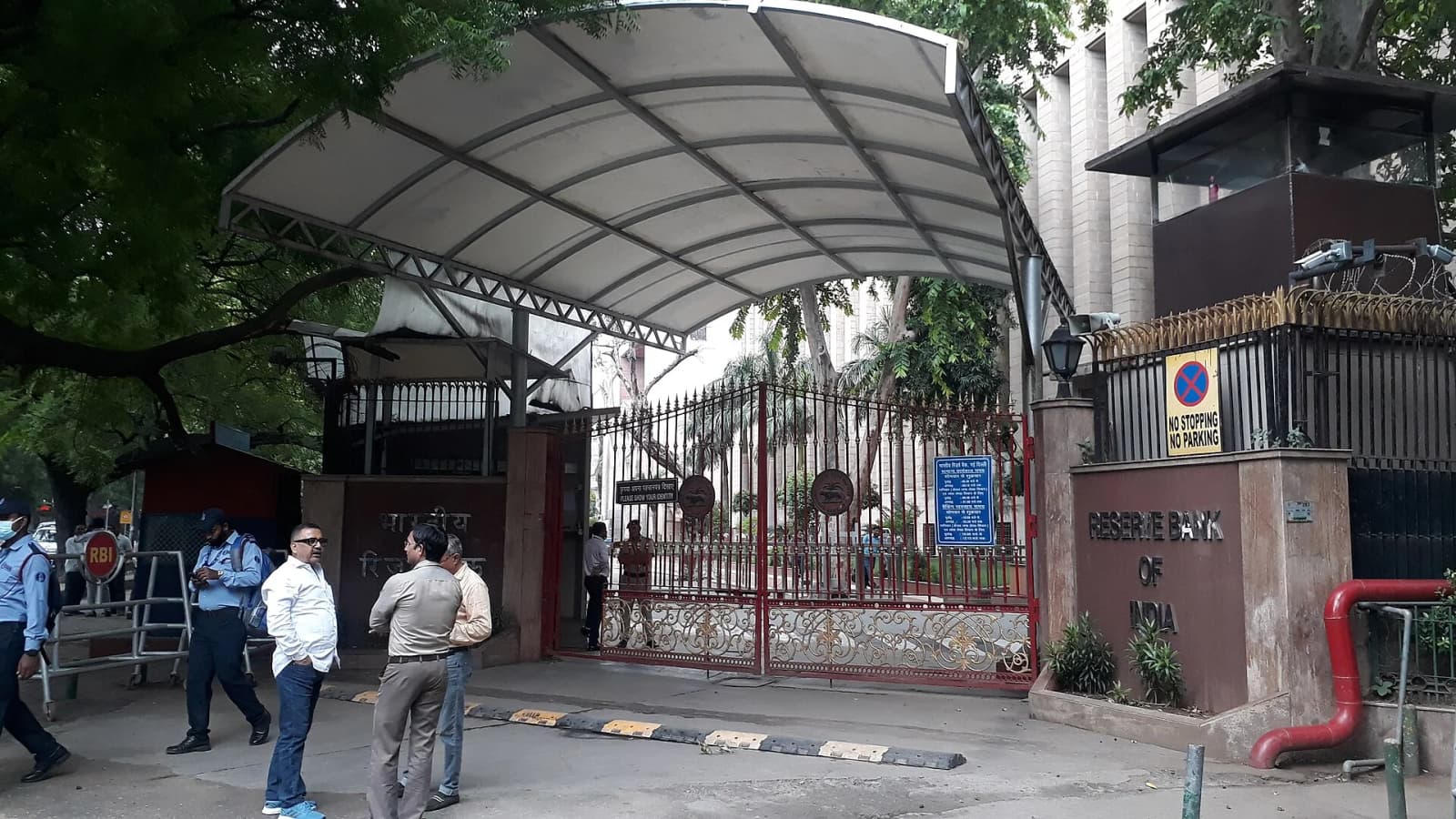
The Reserve Bank of India (RBI) on 27 November 2026 issued final rules that tell banks how to place temporary debit holds on accounts or transaction amounts suspected of being used as "money mules" in cyber-enabled financial fraud. The procedure takes effect on 1 July 2027, though any bank may adopt it sooner, the central bank said in a press release issued in Mumbai.
What has the RBI announced?
The RBI has notified amendments to its Know Your Customer (KYC) directions that set out a standard operating procedure (SOP) for freezing outgoing payments from suspected mule accounts and for lifting those freezes in coordination with law enforcement agencies. Six separate sets of amendment directions were issued, one each for commercial banks, small finance banks, payments banks, local area banks, regional rural banks and urban co-operative banks, including the Commercial Banks (Know Your Customer) Second Amendment Directions, 2026.
A money mule account is a bank account used to receive and move the proceeds of fraud, often belonging to someone who rents out or lends their account to criminals.
How will a debit hold work?
According to details of the directions reported by news agency ANI, banks must use technology and objective parameters to identify highly suspicious transactions and accounts linked to mule activity, cyber-enabled fraud and terror financing, while limiting the risk of catching genuine customers.
- Scope: A hold may be placed on a suspicious amount or on a whole account, subject to approval at a higher level. The RBI says "mechanical application" of account-level holds should be avoided.
- Notice: Customers must be told promptly through digital channels, or by the end of the next working day through other modes, with the reasons, the removal process and an officer's contact details.
- Customer's reply: The account holder gets seven calendar days to submit an explanation and documents. The bank must decide within seven calendar days of receiving it, either lifting the hold or continuing it and reporting the case to the police.
- Automatic end: If no instruction to continue arrives from the competent authority within 30 calendar days of reporting, the bank must remove the hold on the 31st day, provided it is satisfied with its enhanced due diligence.
- Grievances and records: Banks must appoint nodal officers, resolve complaints within 30 calendar days and keep records of holds and related correspondence for five years.
Why does it matter?
Account freezes in fraud cases have often left customers without clear timelines or a point of contact. The new SOP gives account holders a defined notice period, a chance to respond and a deadline by which a hold must end unless authorities intervene. For banks, it creates a uniform rulebook for acting quickly on suspected mule accounts, which police across India have been uncovering in large numbers, as seen in a recent Gwalior investigation into 177 mule accounts.
How did the rules come about?
The RBI released a draft for public comment on 11 September 2026, after the Supreme Court, in an order dated 4 August 2026, directed it to adopt and circulate an SOP on temporary debit holds linked to money-mule activity and cyber-enabled fraud. Comments were due by 2 October 2026.
The RBI said it examined the feedback and revised the draft before issuing the final directions, and published a summary of the comments received alongside them. Reports on the draft in September had described a longer maximum hold period of 60 days; the final timeline of removal on the 31st day after reporting is shorter.
What happens next?
Banks have until 1 July 2027 to put the procedure in place, though they can start earlier. Until then, existing practices continue. Customers who find their accounts restricted after the SOP is in force should receive a written reason and the contact details of the bank officer handling the case.
Photo source · Pinakpani, CC BY-SA 4.0