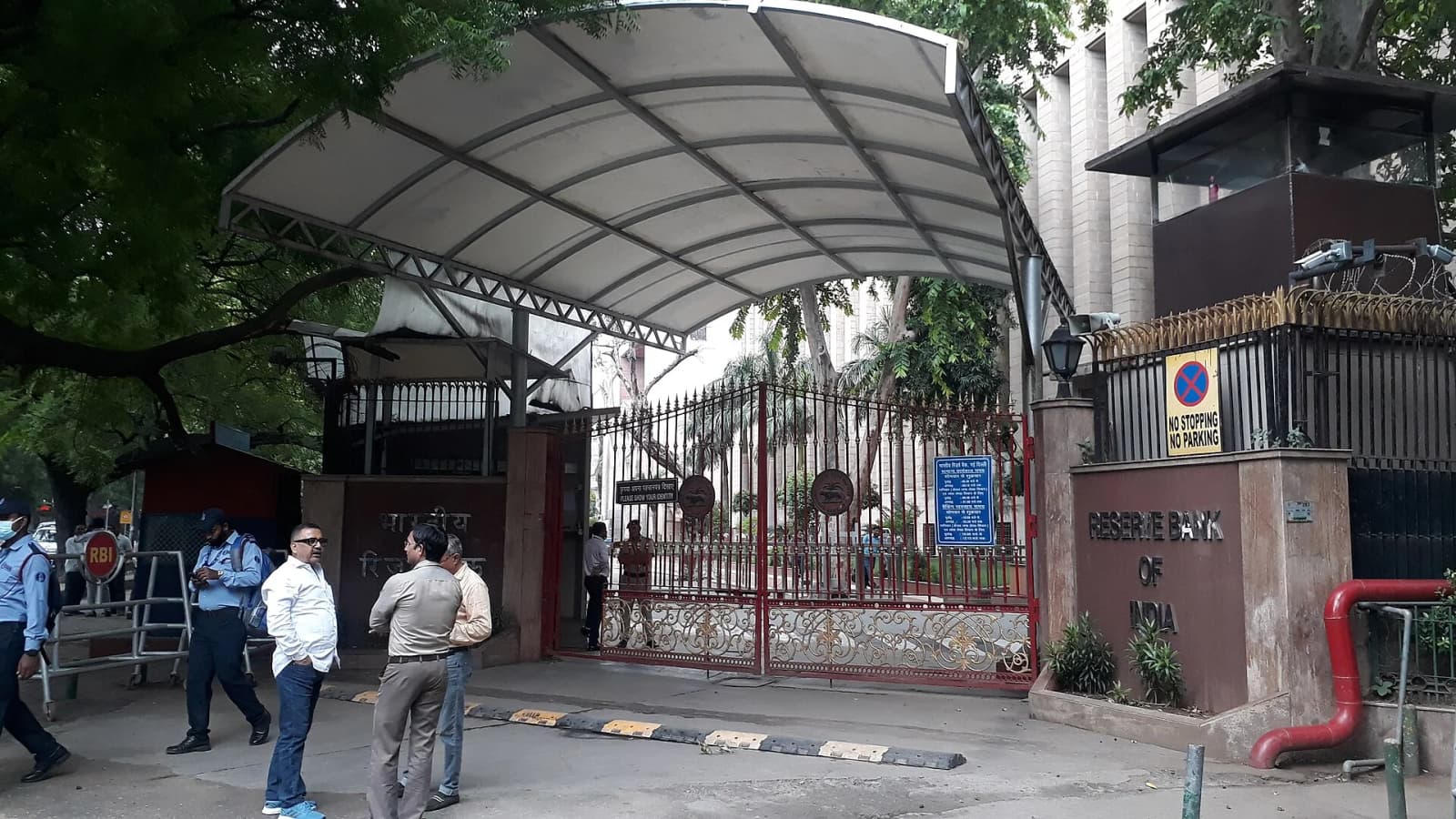
Brazilian President Luiz Inácio Lula da Silva has picked Luiz Carlos Trabuco Cappi, chairman of the board of Bradesco, one of the country's largest private banks, to run the Finance Ministry in his next term. The Palácio do Planalto, the presidential office, confirmed in a note on the night of 26 November 2026 (Brasília time) that Trabuco had accepted the invitation at a meeting with Lula at the Palácio da Alvorada in Brasília, according to the state news agency Agência Brasil.
Trabuco, 75, is expected to take charge of economic policy when Lula's fourth term begins in January 2027. Brazilian media described him as the first minister confirmed for the new government.
Who is Luiz Carlos Trabuco?
Trabuco is a career banker who has spent more than five decades at Bradesco. Born in Marília in São Paulo state, he joined the bank at 17 as a clerk and rose through roles that included running its life and pensions and insurance arms. He was chief executive from 2009 to 2018, a period that included the bank's 2015 purchase of HSBC's Brazilian operations, and then became board chairman.
He has also led Febraban, the Brazilian banking federation, and the National Confederation of Financial Institutions (CNF), and has sat on the government's economic and social development advisory council, known as the Conselhão, since 2023. In 2014, then-President Dilma Rousseff offered him the same ministry; he turned it down and recommended Joaquim Levy, who was then a Bradesco executive.
How did the appointment come about?
It followed several days of talks. Lula first received Trabuco on 23 November in a meeting that was not on the official agenda, and the banker asked for a few days to consult his family and figures from the financial sector, according to Brazilian business outlet InfoMoney. The current finance minister, Dario Durigan, and Planning and Budget Minister Bruno Moretti also attended the 26 November meeting. Durigan will remain in charge of the ministry until the handover.
Why does it matter for markets?
Investors read the choice as a signal of fiscal discipline. Trabuco has publicly backed Brazil's so-called macroeconomic tripod of a floating exchange rate, inflation targeting and fiscal responsibility, and has said in recent interviews that the country's fiscal situation is a concern but not a matter of life or death.
On 26 November, the São Paulo benchmark Ibovespa index closed 6.07% higher at 176,799.84 points, its biggest one-day gain since the first round of the 2026 election, while the US dollar fell 1.25% to 5.744 reais. Analysts cited by Agência Brasil linked the move to expectations about who would lead the Finance Ministry, signals on fiscal adjustment, and a lower-than-expected mid-month inflation reading (IPCA-15) of 0.22%.
The appointment comes as Lula's government pushes a fiscal package. InfoMoney reported that Lula signed into law this week the so-called Moretti Plan, which aims for savings of up to 56 billion reais in 2027. Brazil's trade policy is also under pressure from abroad, with the country recently rejecting new US tariff threats, as MapMyTimes reported earlier.
How have political and business leaders reacted?
Reactions gathered by Agência Brasil were largely positive. Durigan wrote on X that a country does well when it is run with seriousness and ethics and offered Trabuco his and his team's support. Senate President Davi Alcolumbre praised Trabuco's management experience and openness to dialogue, and Chamber of Deputies President Hugo Motta said he received the news with optimism.
Paulo Pimenta, the government's leader in the Chamber, said the goals remained reducing inequality, cutting interest rates and controlling inflation. Business groups including the industry confederation CNI, the São Paulo industry federation Fiesp and Febraban also welcomed the choice.
Not everyone in Lula's camp is pleased. InfoMoney reported that part of the Workers' Party (PT) opposes putting a representative of the banking sector in charge of the economy.
What happens next?
The exact date of Trabuco's swearing-in has not been announced. Lula has asked Durigan and Moretti to begin the first steps of the transition, and further cabinet picks for the new term are still to come.