Bank credit to India's micro, small and medium enterprises (MSMEs) grew 27% in the year to September 2026, well ahead of the 19.4% growth in overall bank credit, Reserve Bank of India (RBI) Governor Sanjay Malhotra said on 27 November 2026. Addressing the SME Finance & Investment Summit, he urged small firms to scale up and adopt technology, and told bankers to treat MSME lending as more than a regulatory target.
The text of the address, published by the RBI in Mumbai, was titled "MSMEs as Catalysts for Building a Resilient and Inclusive Economy". The summit's theme was "Empowering SME and Manufacturing Sectors to Achieve Viksit Bharat". The RBI text does not name the venue.
How fast is credit to small businesses growing?
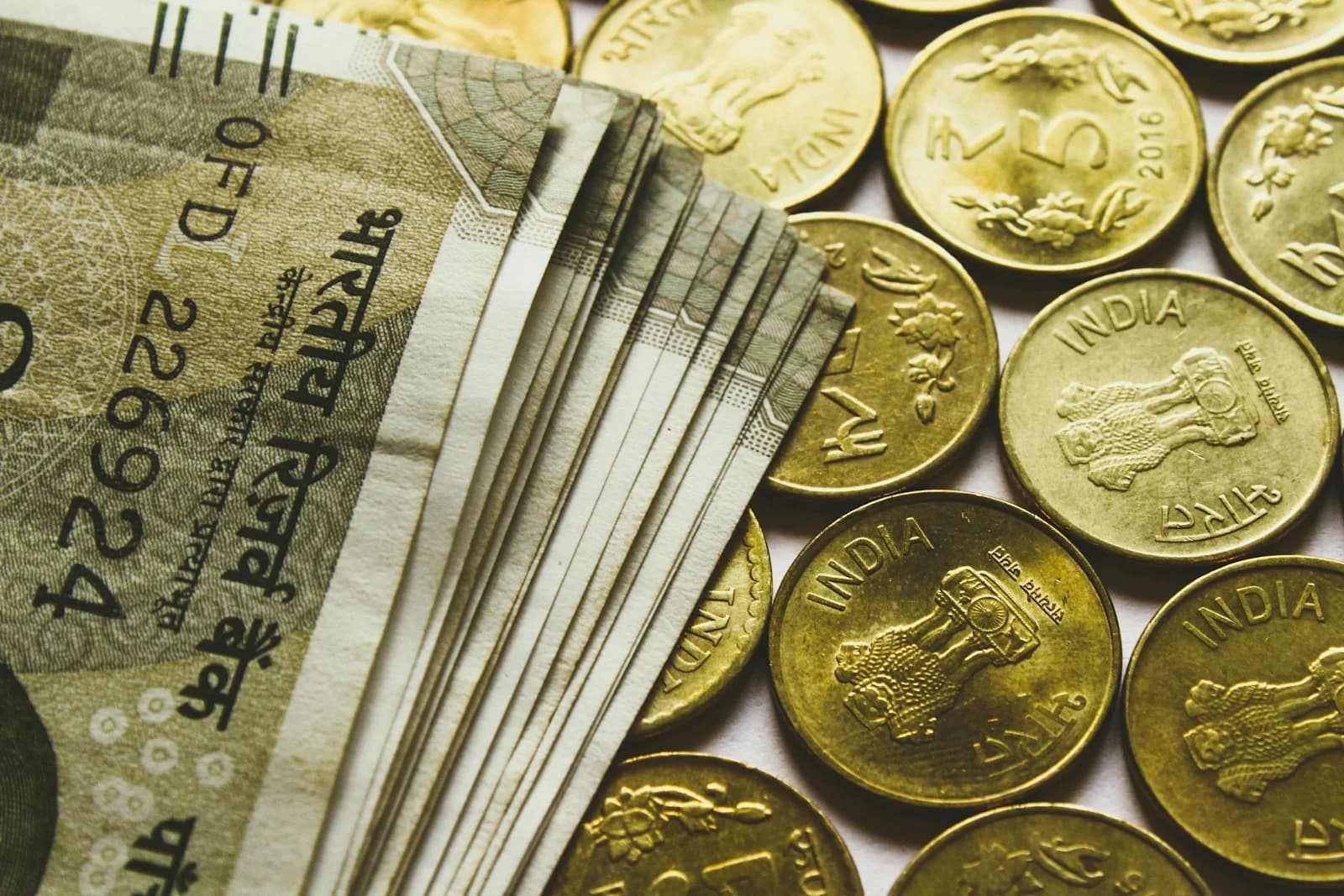
Faster than lending overall, according to the Governor. Over the five years from September 2021 to September 2026, bank credit to MSMEs grew at a compound annual rate of about 19%. A footnote in the speech puts outstanding MSME credit from scheduled commercial banks at ₹42.89 lakh crore on 30 September 2026, up from ₹17.97 lakh crore on 30 September 2021.
Malhotra said the credit gap "has certainly not disappeared, but it has narrowed considerably, and quickly". He said attention must now turn to first-time borrowers, micro enterprises, women-led businesses and units in smaller towns and rural areas.
What has the RBI changed for MSMEs?
The Governor listed several steps:
- Collateral-free loans: from 1 April 2026, the limit up to which banks must lend to micro and small enterprises without collateral was raised from ₹10 lakh to ₹20 lakh, the first revision since 2010. Banks may go up to ₹25 lakh for units with a good track record.
- Priority sector lending: on-lending and co-lending arrangements with non-banking financial companies now count towards priority sector targets.
- Prepayment: banks cannot charge prepayment penalties on floating-rate loans to micro and small enterprises.
- Digital lending: the Account Aggregator framework facilitated loans of about ₹3.5 lakh crore in 2025-26. Malhotra said the RBI expects the Unified Lending Interface to do for credit what UPI did for payments.
He also cited government measures, including a ₹10,000 crore SME Growth Fund and the revival of 200 legacy industrial clusters announced in the Union Budget 2026-27, and an increase in the Credit Guarantee Scheme ceiling from ₹5 crore to ₹10 crore.
Where are small firms falling short?
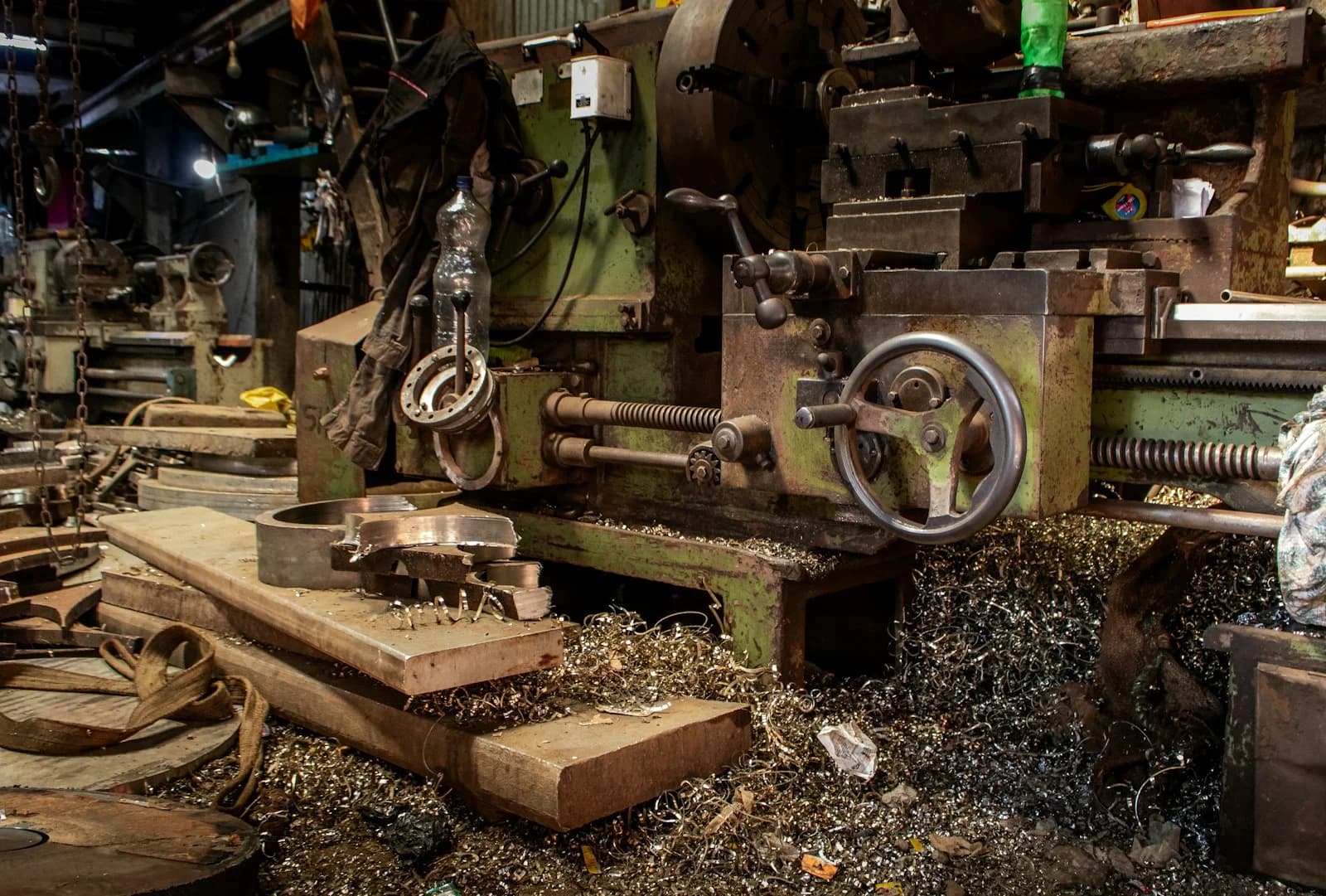
Malhotra said MSMEs account for about 31% of GDP, 35% of manufacturing output and nearly half of merchandise exports, and provide a livelihood to more than 45 crore people. But he pointed to weak productivity: value added per worker in Indian MSMEs is estimated at 26% of that of large enterprises. Raising productivity to the level of top-quartile firms in advanced economies, he said citing a McKinsey Global Institute study, would be worth the equivalent of 11% of GDP.
He said AI adoption in the sector is about 15%, and that a recent survey found only 5% of MSME leaders had made AI central to their operations. Only about 20–30% of eligible Indian exports use lower tariffs under free trade agreements, compared with 60–70% for partner countries' exports to India — "an opportunity we are leaving on the table", he said.
What did he ask of banks?
Malhotra told lenders that MSME lending should not be approached merely as compliance or a target, and that digital tools should strengthen, not replace, relationship banking. He asked banks to use credit guarantees to share risk rather than to skip due diligence. "The objective is not indiscriminate lending," he said, describing the goal as timely, informed and responsible lending to viable enterprises.
Why does it matter?
The speech sets out the central bank's view that access to credit for small firms has improved sharply, and shifts the emphasis to firm-level productivity, technology and exports. It follows recent Finance Ministry figures showing public sector banks' advances have reached ₹127 lakh crore.