India's foreign exchange reserves fell by $4.44 billion to $700.90 billion in the week ended 20 November 2026, according to the Reserve Bank of India's Weekly Statistical Supplement released in Mumbai on Friday, 27 November 2026. A $4.10 billion drop in the value of gold holdings accounted for almost the entire decline.
It was the second weekly fall in a row. In the previous week, reserves had dropped by $14.21 billion to $705.34 billion, ThePrint reported, which means about $18.65 billion has come off the stockpile in two weeks.
What drove the latest fall?
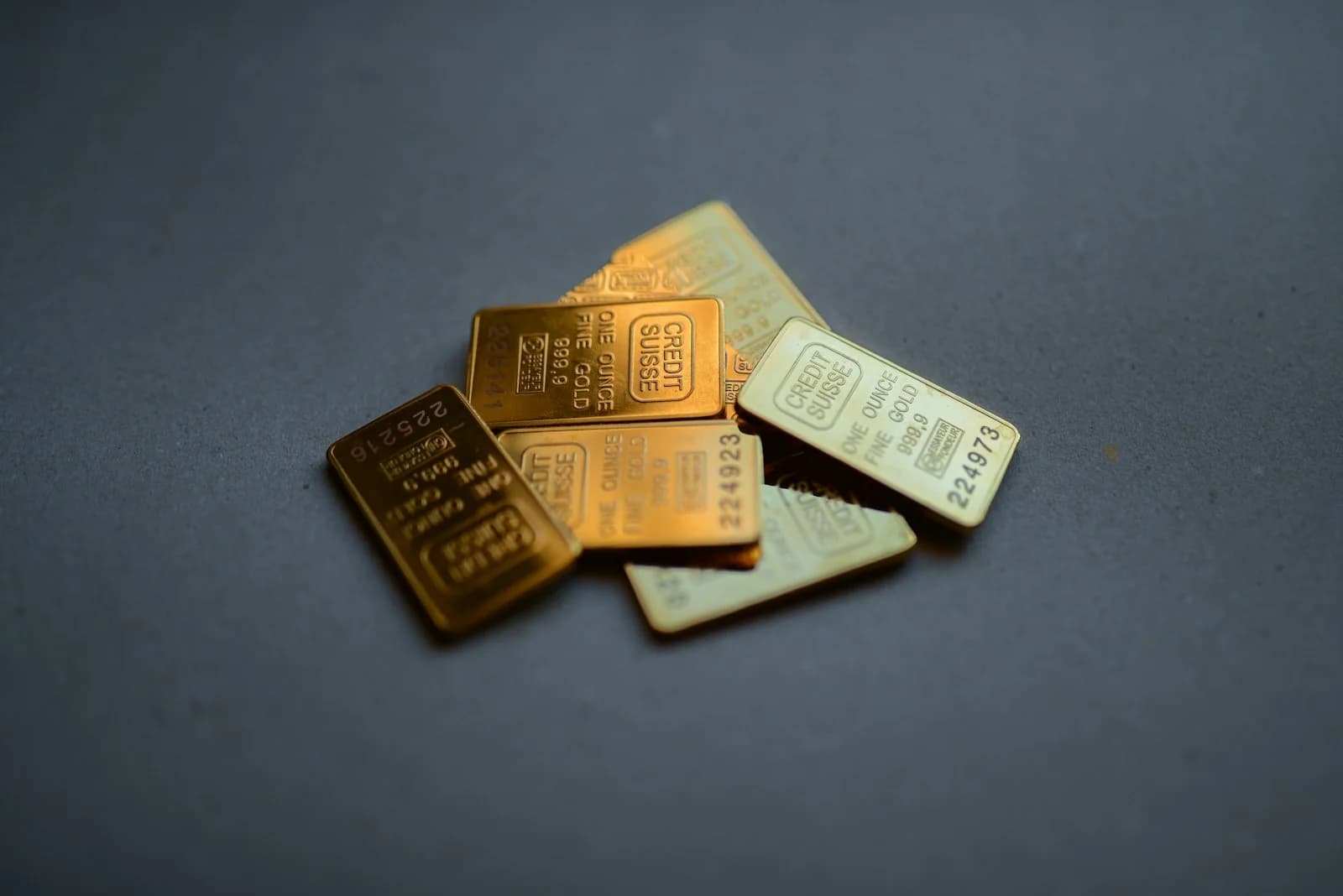
Gold did most of the damage. The RBI's gold holdings were valued at $94.52 billion on 20 November, down $4.10 billion from a week earlier. Gold now makes up about 13.5% of total reserves.
The other components moved only slightly:
- Foreign currency assets, the largest part of the reserves, slipped $266 million to $583.19 billion.
- Special Drawing Rights with the International Monetary Fund fell $67 million to $18.45 billion.
- India's reserve position in the IMF eased $15 million to $4.74 billion.
In rupee terms, total reserves stood at ₹64,97,956 crore, down ₹1,49,856 crore over the week. Weekly changes in the gold figure largely reflect movements in the valuation of holdings, and the RBI's supplement does not separate valuation effects from actual purchases or sales.
How do reserves compare with earlier this year?
Despite the recent slide, reserves remain higher than at the start of the financial year and a year ago. According to the RBI table, they are $9.79 billion above the end-March 2026 level and $12.79 billion higher than a year earlier.
The mix has shifted, however. Since end-March, foreign currency assets have risen by $30.90 billion while gold holdings have fallen by $20.88 billion. Compared with a year ago, gold is down $9.66 billion.
Reserves are also well below their peak. ThePrint reported that they touched an all-time high of $785.71 billion in the week ended 4 September 2026, after banks raised a record $133 billion through a special concessional swap window for diaspora deposits. The latest figure is about $84.8 billion below that level.
The RBI's half-yearly report on reserve management, released earlier this week, put reserves at $737.78 billion at the end of September and showed gold's share falling over that period.
Why does it matter?
Foreign exchange reserves are the buffer the central bank uses to smooth sharp swings in the rupee and to meet external payment obligations. The latest decline comes as the currency is under pressure: the rupee weakened 24 paise to 92.62 against the US dollar on 27 November amid higher crude oil prices.
What did the same release show on bank lending?
The supplement also carried data on scheduled commercial banks for the fortnight ended 15 November 2026. Aggregate deposits stood at ₹2,80,46,926 crore, up 16.4% from a year earlier, while bank credit was ₹2,31,11,541 crore, up 19.3% year on year. Both deposits and credit fell slightly over the fortnight, by 0.7% and 0.3% respectively.
What next?
The RBI publishes reserve data every Friday with a one-week lag, so figures for the week ended 27 November are due on 4 December 2026.