The Reserve Bank of India (RBI) sold government bonds worth about ₹27,677 crore at a ₹33,000 crore auction held in Mumbai on Friday, 27 November 2026, after the Centre accepted only a part of the amount offered in its shortest-dated paper, a 2029 bond. The other three securities on offer, including a sovereign green bond, were sold in full, according to the RBI's cut-off results released the same day.
No part of the issue devolved on primary dealers, the RBI said. Devolvement happens when a bond does not draw enough acceptable bids and the dealers who underwrite the sale are required to take up the shortfall.
What did the government sell on 27 November?
Four securities were on offer. Their cut-off yields, the highest yield the government accepted, were:
- 6.20% GS 2029: ₹9,000 crore notified; cut-off price ₹98.05, implied yield 6.9960%; ₹3,677.495 crore accepted
- 6.57% GS 2033: ₹12,000 crore notified; cut-off price ₹96.30, yield 7.2736%; accepted in full
- 7.63% GS 2056: ₹9,000 crore notified; cut-off price ₹98.03, yield 7.7996%; accepted in full
- 7.50% GOI Sovereign Green Bond 2056: ₹3,000 crore notified; cut-off price ₹96.86, yield 7.7721%; accepted in full
The yields rise steadily with maturity, from just under 7% for the three-year paper to nearly 7.8% for the 30-year bonds. The 2056 green bond cleared at a slightly lower yield than the conventional 2056 bond.
Why was the 2029 bond only partly sold?
The shortfall was not for lack of bids. The full auction results show 85 competitive bids worth ₹13,785.20 crore for the 2029 paper, well above the ₹9,000 crore on offer. Of these, the government accepted only 16 bids worth ₹3,670.20 crore, plus non-competitive bids of ₹7.295 crore. The weighted average yield on accepted bids was 6.9835%. The RBI release does not give a reason for accepting a smaller amount.
Demand for the longer bonds was strong. The 2033 paper attracted 160 bids worth ₹22,948.20 crore, and the conventional 2056 bond drew 192 bids worth ₹23,095 crore, more than two-and-a-half times the amount offered. The green bond received 65 bids totalling ₹8,723 crore against ₹3,000 crore notified.
What role did primary dealers play?
Ahead of the sale, the RBI had announced an underwriting auction for the ₹33,000 crore issue. According to the full results, primary dealers underwrote the entire notified amount of every security, ₹33,000 crore in all, but because there was no devolvement they were not required to buy any unsold portion.
Why it matters
Weekly bond auctions are how the Centre funds its borrowing programme, and the yields at which they clear act as a benchmark for loans and corporate bonds across the economy. The auction came on a day when the rupee weakened to 92.62 against the dollar and equity markets fell. MapMyTimes has also reported on the World Bank's UPLIFT package for India's infrastructure bond market and the RBI's approval for NSE corporate bond index futures.
What happens next
The next data point for bond markets is India's July-September GDP release on 30 November. The government's weekly borrowing calendar and the RBI's liquidity operations will continue to guide where yields settle in the coming sessions.
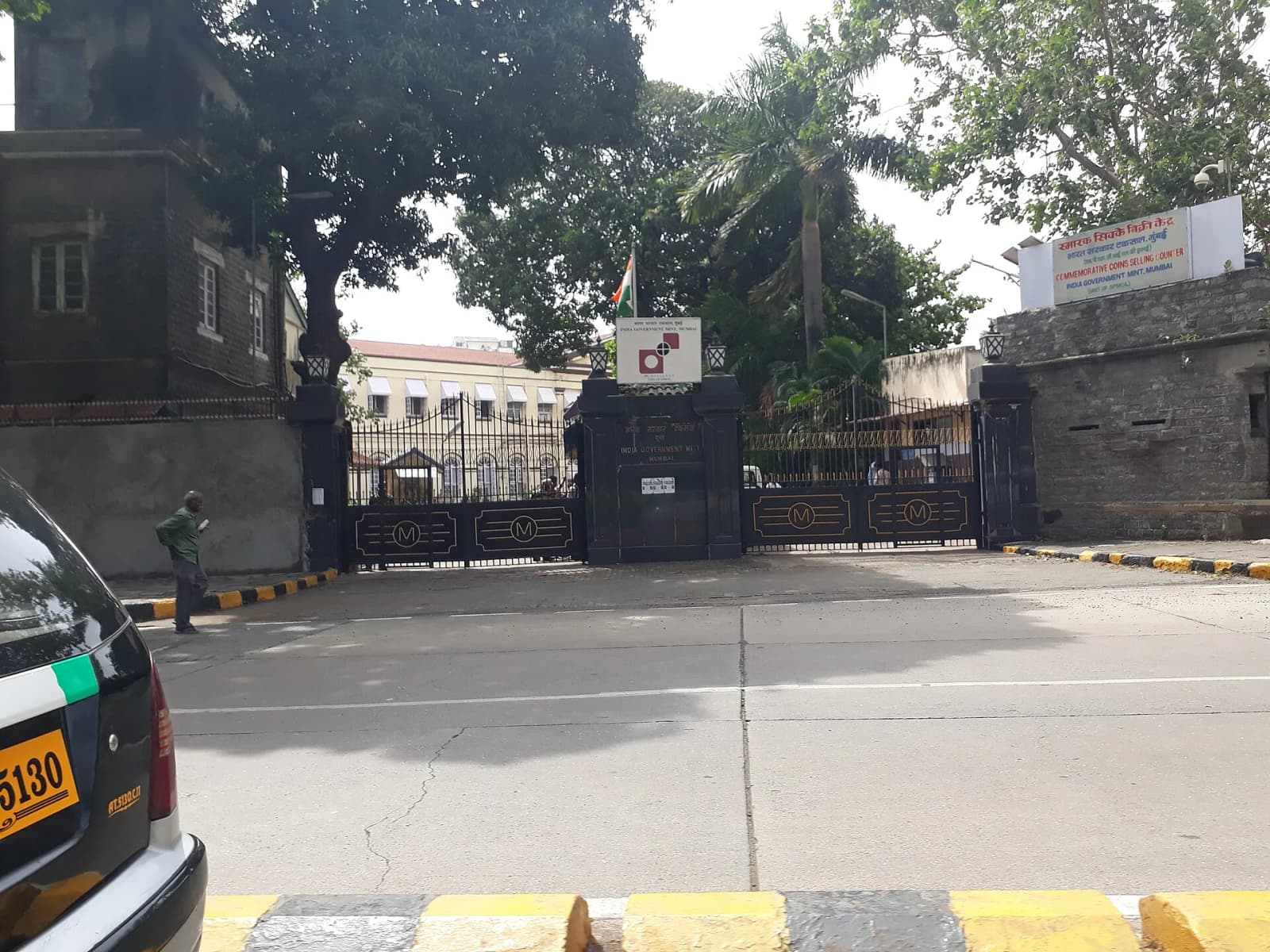
Photo source · Pinakpani, CC BY-SA 4.0