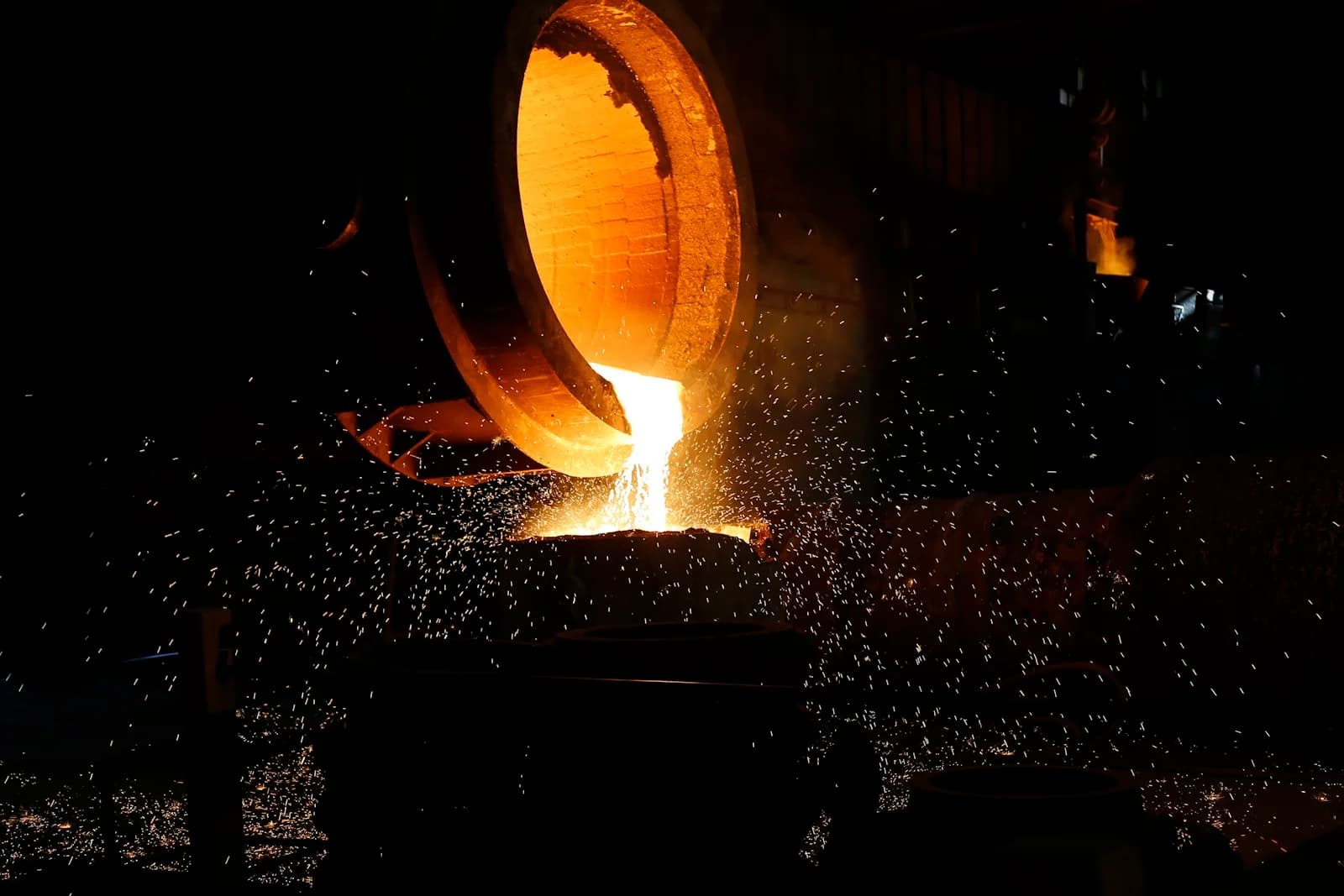
NMDC Steel Limited (NSL) crossed a cumulative 5 million tonnes of coke production at its Nagarnar Steel Plant in Chhattisgarh on 25 November 2026, according to a Ministry of Steel release issued through the Press Information Bureau in Raipur on 26 November 2026. The figure covers all coke produced by the plant's two coke oven batteries since they started operating.
What does the 5 million tonne figure measure?
It is the total, running output of metallurgical coke from Nagarnar's coke ovens since operations began, not a single year's production. Coke Oven Battery No. 1 was commissioned on 28 October 2022, making it one of the earliest units at the plant to start working. Battery No. 2 followed on 25 April 2023.
According to the ministry, steady operation of both batteries has helped the plant improve production efficiency, stay cost-competitive and strengthen its overall operating performance.
Inside the coke oven complex
The facility has two batteries with 67 ovens each. Every oven is 7 metres tall, and the batteries run round the clock to turn raw coal into metallurgical coke. That coke feeds the plant's blast furnace, which has a capacity of 3 million tonnes.
The release highlights the plant's Coke Dry Cooling Plant (CDCP) as a key environmental feature. Rather than quenching hot coke with water, the system cools it with inert nitrogen gas. The heat recovered in the process is used to generate power, and the setup also helps keep coal dust from polluting the surroundings.
Why does a steel plant need coke at all?
Coke supplies the heat needed to process iron ore in a blast furnace, producing molten metal or pig iron. Raw coal cannot do the job directly: it can crumble under the weight of the iron ore and release impurities. Coke ovens convert it into hard, porous metallurgical coke that can stand up to conditions inside the furnace, which is why coking coal is a core input at integrated steel plants.
Why it matters for NMDC Steel
For an integrated plant, a reliable in-house coke supply is closely tied to how consistently the blast furnace can run. The ministry describes the milestone as a reflection of the Nagarnar plant's operational efficiency, technological capability and continuing efforts to lift production performance.
The milestone comes as domestic steel consumption continues to grow. MapMyTimes reported this week on Steel Ministry data showing a rise in India's steel demand and imports in April-October 2026.
What the release does not say
The ministry's statement does not give a figure for coke output in the current financial year, the plant's annual coke capacity, or the amount of power generated through the dry cooling system. It also does not mention any expansion of the coke oven complex. NSL has not announced further targets alongside the milestone in the release.
What to watch next
Further updates on the plant's hot metal and finished steel output, and on how the blast furnace performs against its 3-million-tonne capacity, are likely to be the next indicators of how the Nagarnar operation is progressing.