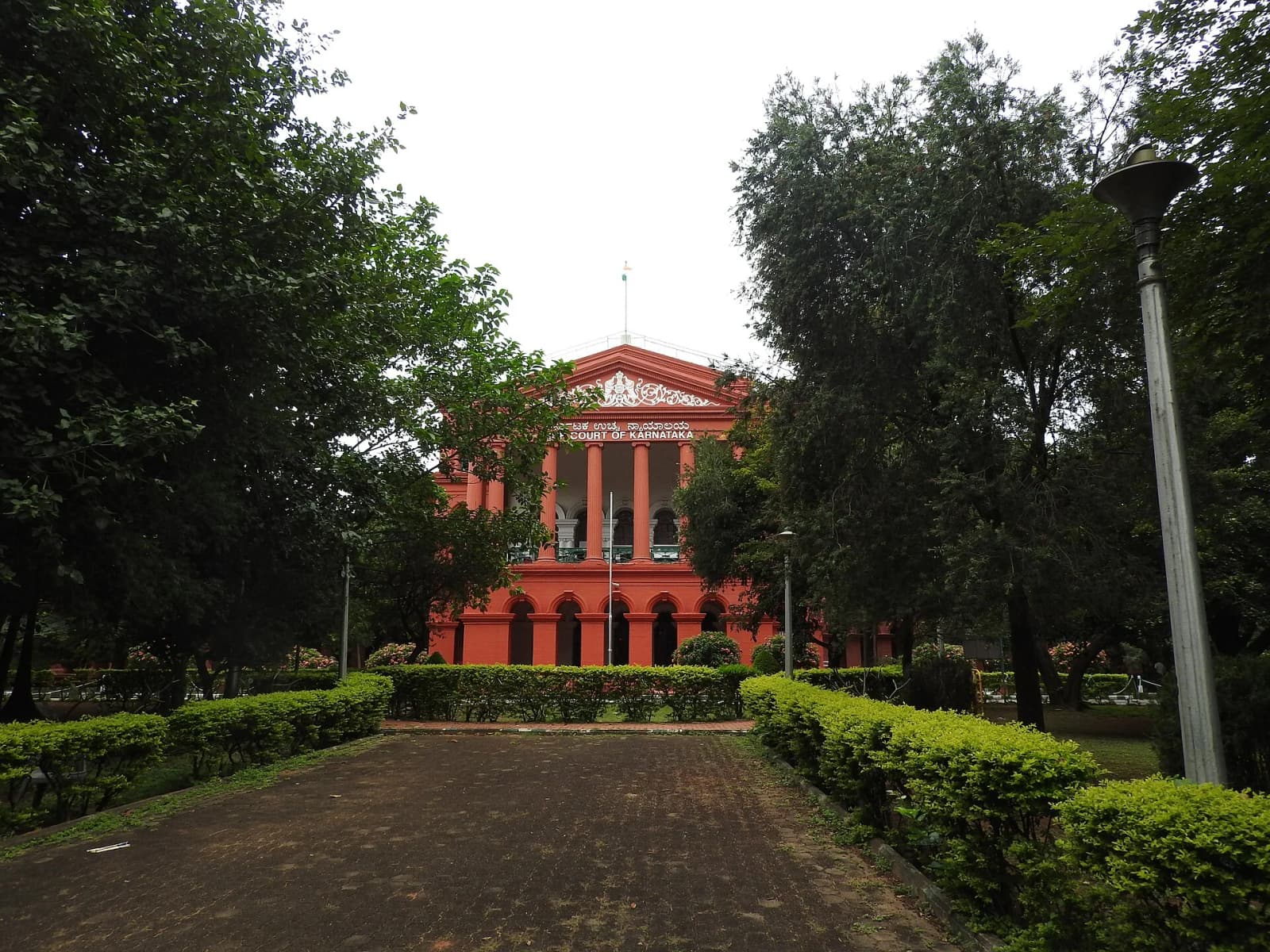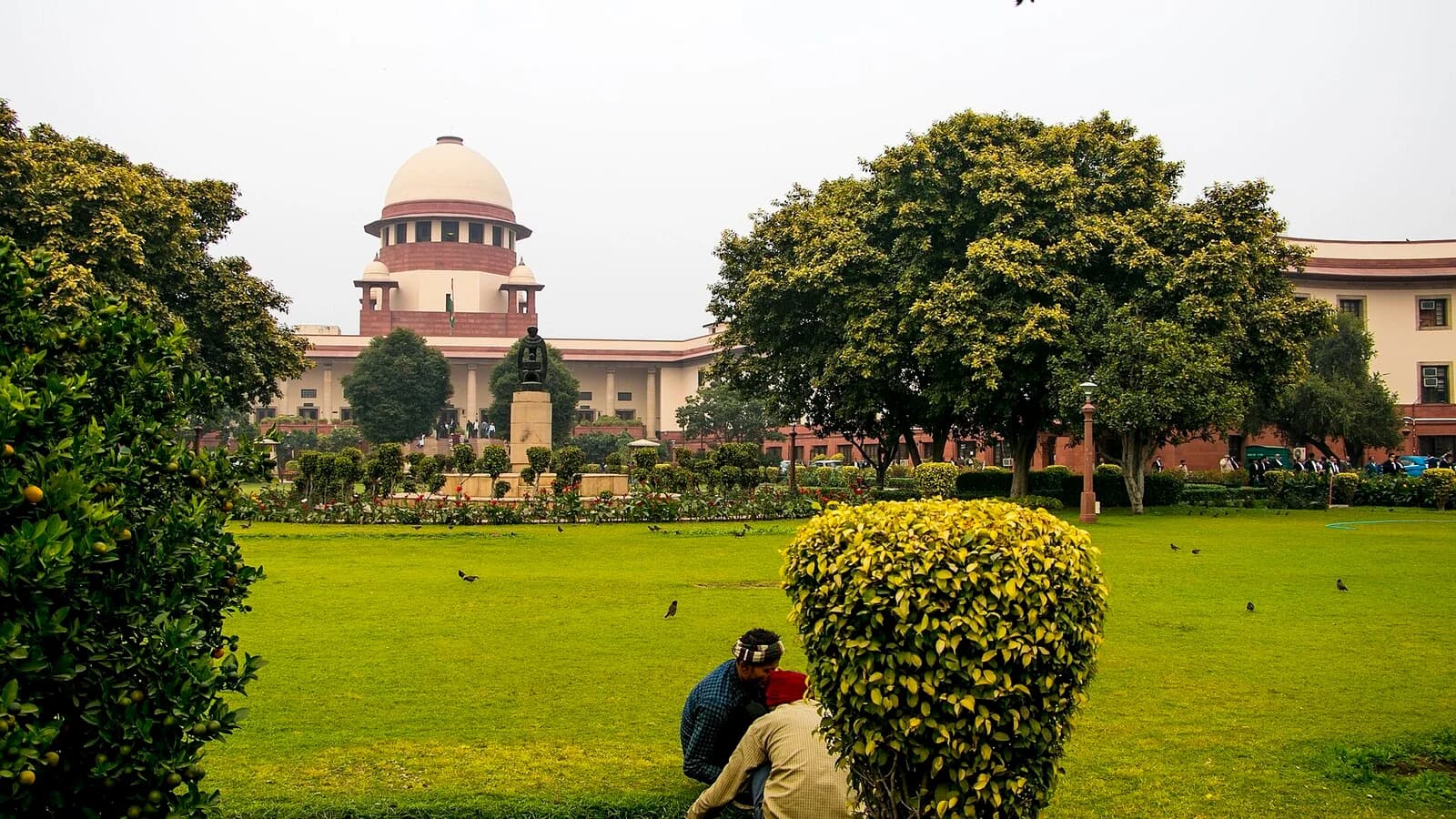
Leader of the Opposition Rahul Gandhi and other INDIA bloc leaders on Monday, 16 November 2026, asked the Supreme Court for permission to put 48 written questions to the Election Commission of India (ECI) and to get the answers on oath. The questions, known in court procedure as interrogatories, go to one central dispute: who actually took the decisions behind the nationwide Special Intensive Revision (SIR) of electoral rolls. This explainer sets out what was filed, what each side says, what a voter can do today, and which claims are still unproven.
What happened
According to legal news site Bar and Bench, the application seeks leave to serve 48 interrogatories and asks for sworn affidavits from Chief Election Commissioner (CEC) Gyanesh Kumar and Election Commissioners Sukhbir Singh Sandhu and Vivek Joshi. News agency PTI, in a report carried by ThePrint, said answers are also sought from Deputy Election Commissioner Bhanu Prakash Yeturu, who signed the Commission's reply in court. LawChakra reported that the technical questions are meant for the Commission's Director General (IT).
Bar and Bench and ETV Bharat said the questions fall under ten heads. LiveLaw reported that the application was filed through advocate-on-record Prasanna S. The Court has not yet decided whether to allow it, and LawChakra reported that the Commission has not yet responded to the application.
Background and timeline
- 24 June 2025, 27 October 2025, 14 May 2026: the dates of the three SIR orders at the centre of the case, as listed in PTI's account of the Commission's affidavit.
- August 2025: the petitioners cite a Right to Information reply which, they say, stated that no decision had been taken to start a nationwide SIR, Bar and Bench reported.
- 25 September 2026: The Indian Express reported that the two Election Commissioners had objected on record at least 14 times in ten months to SIR decisions they said were issued without their knowledge, according to PTI.
- 12 October 2026: the writ petition, Rahul Gandhi and Others v. Election Commission of India and Others, was filed, LawChakra reported.
- 15 October 2026: a bench headed by Chief Justice of India Surya Kant issued notice to the Commission and the CEC, PTI said. Oneindia reported that the bench made clear that issuing notice was not a finding against anyone.
- 26 October 2026: the Commission filed its counter-affidavit. A supplementary affidavit followed on 14 November, Bar and Bench reported.
- 16 November 2026: the interrogatories application was filed.
The petitioners named by LiveLaw include Congress president Mallikarjun Kharge, Saugata Roy, Akhilesh Yadav, Tejashwi Prasad Yadav, Sanjay Raut, M A Baby, D Raja, Mahua Majhi, Supriya Sule and E T Muhammed Basheer; Thol. Thirumavalavan and Sajjad Ahmad Kichloo joined later, it said.
The verified numbers
- 48 questions in ten categories (Bar and Bench, ETV Bharat).
- 248 pages: the length of the Commission's reply, according to PTI.
- Three SIR orders are under challenge.
- 19 February 2025 to 26 October 2026: the period for which the petitioners want every objection, dissent or reservation by a Commissioner disclosed, LiveLaw reported.
- About 15 of the questions concern the ECINET and ERONET roll databases, according to LawChakra.
None of the reports opened for this explainer gives an official nationwide count of names removed in the SIR. The application itself asks for state-wise data on voters dropped from draft and final rolls.
What the petitioners say
The core charge, as quoted by LawChakra from the application, is that the CEC exercised the Commission's powers "without the knowledge, approval, or concurrence" of the other two Commissioners. The petitioners say the Commission's affidavits rest on assertion and do not disclose file numbers, dates or minutes of meetings, Bar and Bench reported.
The questions ask, among other things, whether private contractors had write access to the electoral-roll database, whether bulk deletions took place without orders of Electoral Registration Officers, who authorised a new declaration on the online Form 6, and whether urgent approvals were taken over WhatsApp or personal email, according to Bar and Bench. LiveLaw added that they ask whether an audit of database access proposed by Commissioner Vivek Joshi was ever placed before the Commission.
ETV Bharat quoted a Congress post on X describing the move as a response to "huge lapses in SIR which have paved the way for Vote Chori", and listing sample questions such as "Who decided to conduct a nationwide SIR?"
The application relies on the Supreme Court Rules, 2013 and on the Constitution Bench ruling in the K S Puttaswamy (Aadhaar) case, Bar and Bench said. If the Commission claims privilege over any record, the petitioners want it to state the grounds record by record.
What the Election Commission says
The Commission's position, on record since 26 October, is that nothing was done unilaterally. LiveLaw quoted its affidavit as saying it was "approved for filing before this Hon'ble Court by a unanimous decision of the three members". PTI reported that the affidavit calls the attack on the Commission "unfortunate" and says all three SIR orders were unanimous decisions under Article 324 of the Constitution and Section 18 of the 2023 law on Election Commissioners.
ThePrint's report on that affidavit quoted it as saying: "An observation or a query by any Election Commissioner during this process does not constitute a decision." On the database, the affidavit says "no entry is added or deleted or modified except by order of the Electoral Registration Officer". It also says urgent matters are approved electronically and recorded on file later, and that the statutory Form 6 was never amended.
What this means for voters
The case does not pause the revision. For ordinary electors, the practical changes come from the Commission's own 14 November affidavit, as reported by Bar and Bench:
- A 3 November letter to all state Chief Electoral Officers says a person left out of the draft roll will not be prosecuted merely for filing Form 6 to get back on the list, provided the person is not enrolled in another constituency.
- Under 6 November directions, electors marked absent, shifted, dead or duplicate can submit enumeration forms to the Electoral Registration Officer for their current address. Those who moved within the same state need not file Form 8.
- Booth-wise lists of such electors are to be displayed afresh.
ThePrint also reported the Commission's assurance that eligible people can apply for inclusion even after the SIR ends, and that Aadhaar is used only as proof of identity, not citizenship. Readers who are unsure of their status should check the booth list and contact their Booth Level Officer.
Established and uncertain
Established (both sides' filings agree, or the Commission's own affidavit says so):
- Three SIR orders were issued on the dates above.
- The Commission's replies were sworn by a Deputy Election Commissioner, not by the three Commissioners individually.
- The affidavit accepts that the two Election Commissioners wrote to the Cabinet Secretary on 29 July 2026 about an officer on deputation, ThePrint reported.
- The affidavit accepts that the online layout of Form 6 "could be construed" as an amendment, and an order of 21 October 2026 now shows the declaration separately, ThePrint reported.
- The Court has issued notice but has given no finding on the merits.
Uncertain (the two sides differ):
- Were the SIR decisions collective? The petitioners say the CEC acted alone; the Commission says every order was unanimous. No file or minute has been made public.
- Did the Commissioners dissent? The petitioners rely on a newspaper report of at least 14 objections; the Commission says a query by a Commissioner is not a decision.
- Were names removed outside the legal process? The petitioners suspect bulk deletions and outside access; the Commission says only registration officers can change an entry.
- How many voters were dropped? A separate PIL in the batch claims 13.36 crore names were deleted at the draft stage, ThePrint reported; this is an allegation, not a confirmed figure.
What happens next
PTI and LawChakra reported that the batch of petitions is listed for 17 November; LawChakra noted it is not confirmed that the new application will be taken up that day. Bar and Bench, in its report on the Form 6 affidavit, gave 19 November as the next date. The Court must first decide whether to permit interrogatories at all. If it does, the Commission will have to answer on oath or claim privilege; if it refuses, the case will proceed on the affidavits already filed.
PS · Subhashish Panigrahi, CC BY-SA 4.0