Tens of thousands of people marched through more than 30 towns and cities across Portugal on Saturday, 14 November 2026, demanding action on soaring rents and home prices. Al Jazeera and The Associated Press both described it as the largest protest yet in a housing movement that has been building for several weeks.
Marches from Lisbon to the Algarve
Demonstrations were held in Lisbon, Porto, Faro, Portimão, Coimbra and Braga, among other places, according to Al Jazeera. Marchers ranged from teenagers to retirees, and the Lisbon procession moved to the sound of drums, music and chanting. Their slogan, as reported by AP, was "We won't let them steal our right to housing."
The protests were organised under the banner of Casa Para Viver ("A Home to Live In"), a platform that Al Jazeera said brings together about 100 housing associations and grassroots groups. It wants tighter rules on rental contracts, short-term tourist lets and vacant properties.
What protesters are demanding
Campaigners are calling for:
- caps on rent increases;
- stronger legal protection for tenants facing eviction;
- more affordable housing;
- a reversal of recent changes to rental law.
Al Jazeera reported that parliament has approved government changes that make rental contracts more flexible and speed up eviction procedures, which campaigners say weaken tenants' protections. Casa Para Viver representatives have urged Prime Minister Luís Montenegro to engage with them directly.
Ana Encarnação, 42, told AP that "things have become intolerable", pointing to rising living costs and a widening gap between rich and poor. Susana Pacheco, 35, a data analyst who said she does part-time work to help pay her mortgage, told the agency she was worried about whether her younger sister could ever afford to leave their parents' home.
Why it matters: the numbers behind the anger
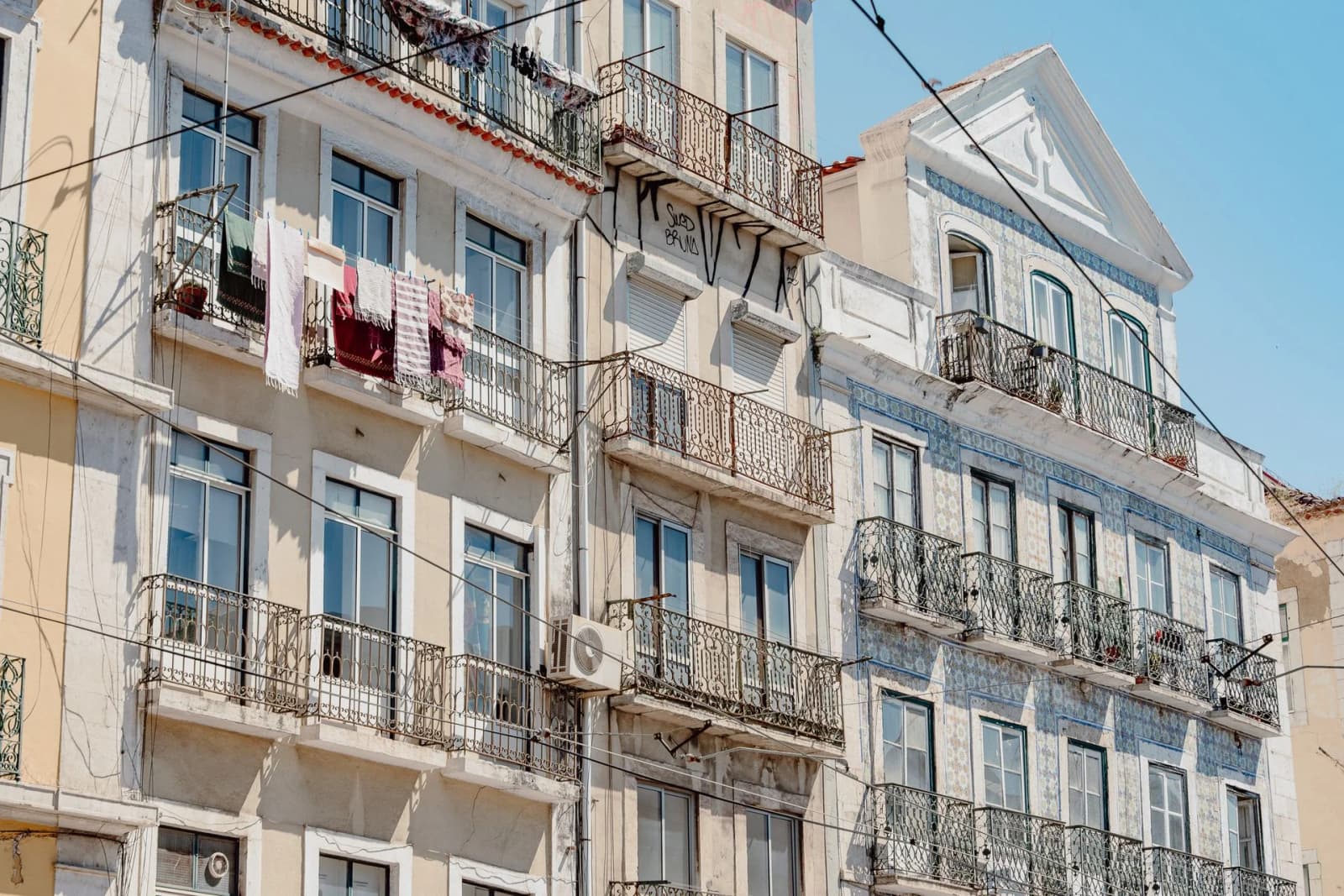
Figures cited by both outlets show how sharply housing costs have risen. According to Eurostat, Portugal recorded the European Union's largest increase in the house price-to-income ratio between 2015 and 2025, at 61 per cent, well ahead of the Netherlands in second place at 34 per cent. Portugal's National Statistics Institute said home prices climbed almost 20 per cent between the first quarter of 2025 and the first quarter of 2026, while the government says rents have risen 68 per cent since 2020.
The reports link the surge to foreign buyers and investment funds, demand from remote workers, digital nomads and retirees drawn by the country's climate and coastline, and the conversion of many city-centre flats into short-term tourist rentals.
Camps, police action and the government's response
Some activists have been camping in central squares in Lisbon and Porto. AP reported that riot police with dogs have broken up some earlier protests, drawing accusations of heavy-handed tactics, and Al Jazeera has reported on police clearing protest camps in Lisbon in recent weeks.
The government has cut taxes on new construction, restricted short-term rentals and promised to build 145,000 new homes, while acknowledging the measures will not have an immediate effect. President António José Seguro, whose role is largely ceremonial, convened the Council of State earlier in November to discuss the protests and met some protesters on Friday, AP said.
What happens next
The movement drew inspiration from housing demonstrations that began in neighbouring Spain in October, and it forms part of a wider wave of cost-of-living protests in Europe this autumn. With campaigners pressing for direct talks with the prime minister and the government's building programme still years from delivering, pressure on housing policy looks set to continue.