Union Health Secretary Punya Salila Srivastava has urged States and Union Territories to speed up work under the Pradhan Mantri Ayushman Bharat Health Infrastructure Mission (PM-ABHIM), telling a national workshop in Bengaluru, Karnataka, that approved facilities must be made operational on time. The Ministry of Health and Family Welfare released details of her remarks on 26 November 2026.
The two-day National Level Orientation Workshop on the National Health Mission (NHM) and PM-ABHIM began on 25 November 2026 and brought together officials from States, Union Territories and the Union Health Ministry, according to the ministry's release.
How much has PM-ABHIM approved so far?
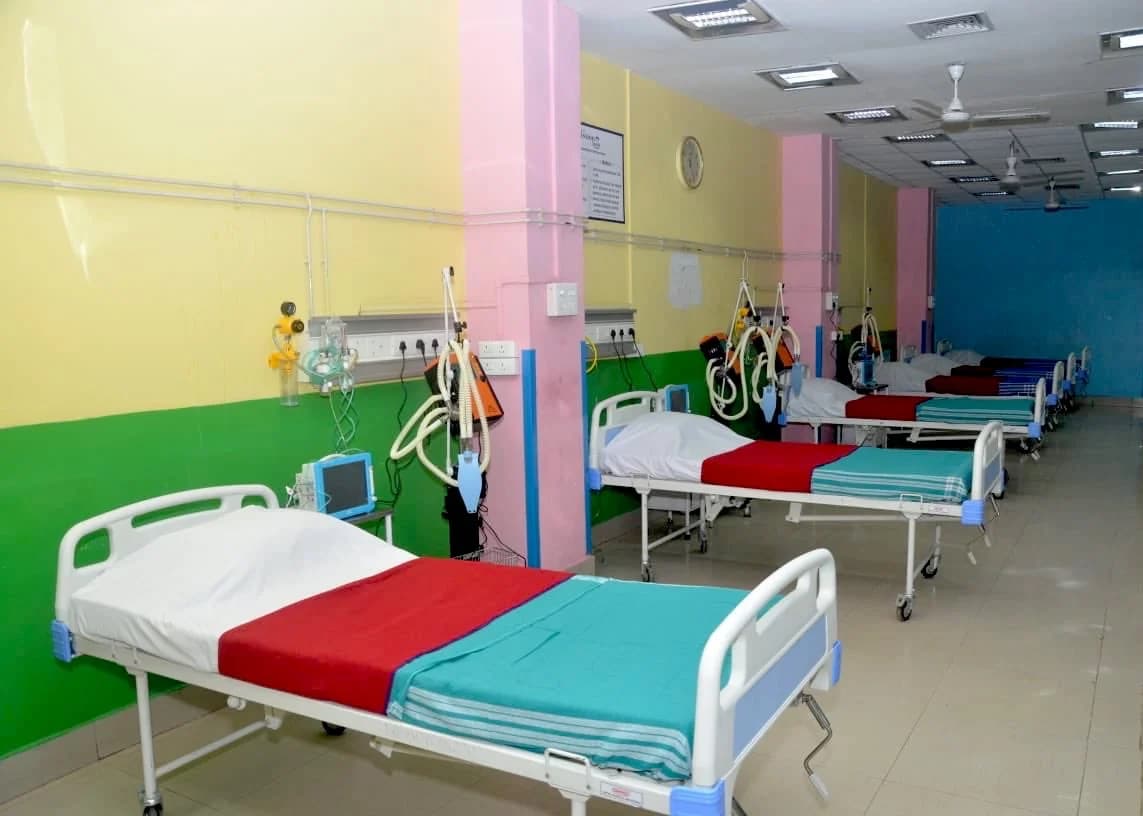
The mission has approved 19,983 infrastructure units across India, the ministry said. These include 2,151 Block Public Health Units, 744 district-level Integrated Public Health Laboratories, 631 Critical Care Blocks and 48 Virus Research and Diagnostic Laboratories.
At the grassroots level, the mission is backing 11,001 Ayushman Arogya Mandir sub-health centres at locations that previously had no building, along with 5,456 urban Ayushman Arogya Mandirs.
Why does the mission matter?
PM-ABHIM was designed to improve India's readiness for future pandemics and outbreaks, Srivastava said. She recalled how the COVID-19 pandemic forced a rapid scale-up of hospital capacity, research, genomic sequencing and vaccine development.
The mission was launched on 25 October 2021 with an outlay of ₹64,180 crore. Its stated aims are to strengthen public health infrastructure, improve disease surveillance and outbreak response, support pandemic research and boost emergency preparedness and biosecurity.
Srivastava described NHM as the scheme that improves day-to-day healthcare delivery, while PM-ABHIM adds the buildings, laboratories and systems needed for resilience during emergencies.
What did the Health Secretary ask States to do?
She called on States and Union Territories to accelerate implementation and to make sure approved infrastructure begins functioning without delay. She also said the Union government has placed emphasis on higher capital investment in health and on public-private partnerships to expand infrastructure and services.
On the first day of the workshop, she asked for a mission-mode approach towards the health-related Sustainable Development Goals and stronger links with the Ayushman Bharat Digital Mission.
Surveillance and emergency tools
Srivastava pointed to central components of the mission, including new branches of the National Centre for Disease Control, quarantine facilities at major airports, stronger checks at airports and ports, and metropolitan surveillance units in 20 cities.
She also cited BHISHM Cubes, portable units that can be deployed quickly as mini-hospitals during emergencies and are available through HLL. The Integrated Health Information Platform, which the ministry said operates in all States and Union Territories and covers 50 health conditions, feeds the Integrated Disease Surveillance Programme.
What happens next?
The ministry's release does not set new deadlines. The workshop was intended to review progress on both missions and agree on implementation priorities with States. The meeting in Bengaluru came alongside a separate national conference in the city where the Health Secretary urged States to strengthen food and drug regulators.
Photo source · AnjanBorah, CC BY-SA 4.0