The Philippines and Australia on Sunday, 15 November, signed a Defence Cooperation Arrangement in Manila that both sides say will cut red tape for joint military activity. Australian Prime Minister Anthony Albanese, in the Philippine capital for ASEAN-related summits, witnessed the signing.
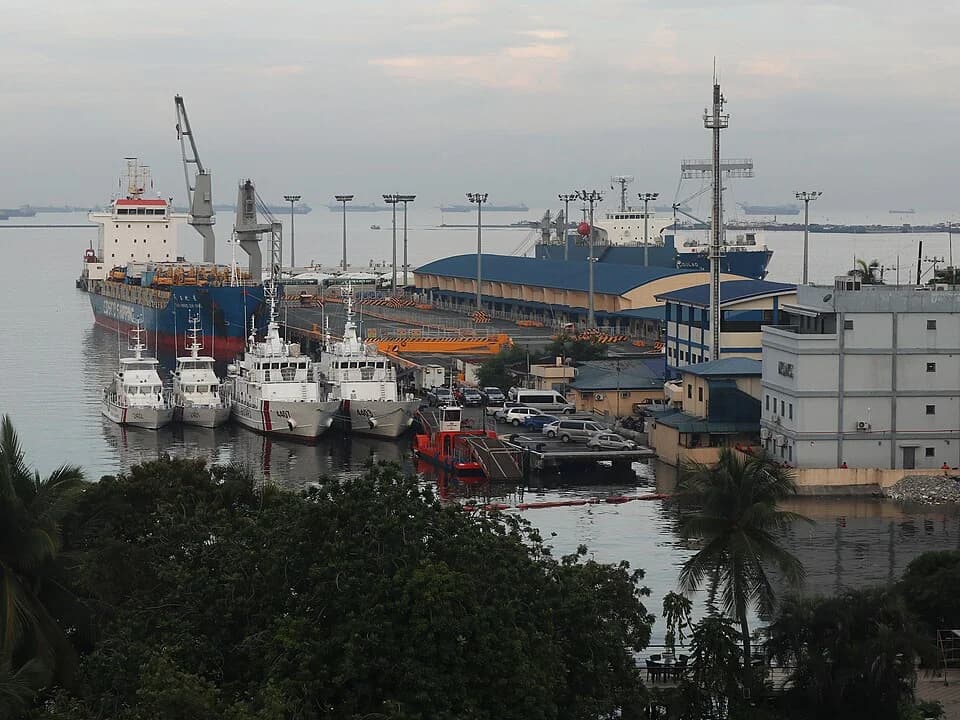
Philippine Defence Secretary Gilberto Teodoro Jr. and Australia's ambassador to Manila, Marc Innes-Brown, put their names to the document at the Eva Macapagal Cruise Terminal on Pier 15 of Manila South Harbor, The Manila Times reported.
What the arrangement does
The new arrangement replaces a 1995 memorandum of understanding on defence cooperation, according to Anadolu Agency. Its main job is practical: Teodoro said it will serve as the mechanism for putting into effect the two countries' Status of Visiting Forces Agreement, which has been in force since 2012.
Teodoro called the deal an "anti-red tape measure". Speaking after the ceremony, he said that "rather than 100 steps to do a single thing, it will just now take 10", Reuters reported. "The agreement makes us work faster. It streamlines the coordination process," he added, saying there would no longer be a need to secure multiple permits.
According to reports from the signing, the arrangement covers:
- cooperation between maritime, air and land forces, including joint exercises;
- humanitarian assistance and disaster response, with Australian forces able to help the Philippines more quickly in emergencies;
- access for each country's military personnel to the other's territory for training and humanitarian missions;
- maritime awareness and information sharing, strategic dialogue, training, interoperability and defence infrastructure development;
- cooperation on military hardware procurement.
The South China Sea backdrop
Teodoro said the arrangement would bolster the Philippines' "credible deterrence posture", including in the South China Sea. Asked about the Taiwan Strait, he stressed that the agreement was about protecting Philippine territory and maritime interests in what Manila calls the West Philippine Sea, Anadolu reported.
Several countries have overlapping claims in the South China Sea, and Manila describes China's conduct there as aggressive. Australia backs a 2016 international arbitral ruling that found China's sweeping claims have no basis in international law, a ruling Beijing rejects. China says its actions at sea are lawful and opposes Manila's joint military activities with partners, arguing they raise regional tensions, Reuters noted.
Albanese also announced additional Australian investment in maritime domain awareness for the Philippines, including drone technology, equipment and training to detect maritime and cybersecurity threats, according to the Reuters report.
Why it matters
The signing is the latest step in a relationship that was raised to a strategic partnership in September 2023.
For Manila, the pact is part of a broader effort to widen its security ties beyond its long-standing treaty alliance with the United States. For Canberra, it adds a practical framework to a partnership Albanese's office highlighted ahead of the trip, which marks 80 years of diplomatic relations between the two countries.
What next
According to the Australian Prime Minister's office, Albanese's Manila programme includes a meeting with President Ferdinand Marcos Jr., the 6th ASEAN-Australia Summit and the 21st East Asia Summit. He is then due to travel to China for the APEC leaders' meeting in Shenzhen and an annual leaders' meeting in Beijing.
PS · Patrickroque01, CC BY-SA 4.0