This is a MapMyTimes opinion piece. On 22 November 2026, the Federation of Indian Pilots (FIP) wrote to the Union Civil Aviation Minister asking for an urgent financial and safety review of SpiceJet, and for the airline's flights to be cut if it cannot show it is able to operate them safely, Business Today reported. Our news report on the letter is here. Our view: the request is reasonable, and the regulator should answer it with a time-bound, published audit rather than silence or an open-ended crisis.
What did the pilots ask for?
The pilots asked the government to check, in hard numbers, whether SpiceJet can safely fly the schedule it has been approved for. According to reports of the 12-page letter signed by FIP president Captain C S Randhawa, the federation wants the Directorate General of Civil Aviation (DGCA) to examine the airline's cash and working capital, unpaid salaries, dues to airports, fuel suppliers and lessors, aircraft insurance, compliance with pilot duty-time limits, and whether a board-approved fundraise of up to Rs 5,500 crore is realistic. Only if SpiceJet cannot demonstrate safe operating capacity does the letter seek a cut in its schedule.
The context is serious. The DGCA served SpiceJet a show-cause notice on 17 November 2026 and gave it seven days to reply, citing cancellations, schedule disruption, unpaid dues, grounded aircraft and the lack of a credible revival plan, the Free Press Journal reported. The letter, as reported, says the airline's domestic market share fell from about 21% in 2014 to roughly 0.6% in October 2026. In October, around 40 pilots flying SpiceJet's Q400 aircraft reportedly refused to fly over pending salaries, Business Today reported at the time, citing PTI. SpiceJet, the ministry and the DGCA had not publicly responded to the FIP letter when it was reported.
Why money problems are a safety question
An airline's balance sheet is not the regulator's business in normal times. It becomes its business when unpaid staff, cash-and-carry vendors and grounded aircraft start shaping daily operations. The FIP's central argument is that pilots who have not been paid for months carry financial anxiety into the cockpit. That is not a claim that any SpiceJet flight has been unsafe, and nobody should read it that way. It is a claim that the conditions which make mistakes more likely deserve to be measured before something goes wrong, not after.
India has been here before. The DGCA placed Jet Airways under enhanced surveillance in 2019 and SpiceJet itself in 2021, according to the Free Press Journal. Those episodes suggest that oversight tied to financial stress works best when it is early, specific and public.
The strongest argument against a curb
The fairest objection is that cutting flights could deepen the very crisis it is meant to contain. Fewer flights mean less revenue, which could make it harder for SpiceJet to pay salaries and dues, and could frighten away the investors its revival depends on. Passengers who have already booked could be stranded, and fewer seats on some routes could push fares up. There is also a principle at stake: a regulator should judge safety, not pick winners in a market.
These concerns are real. But the FIP letter itself does not ask for a blanket grounding. It asks for a check first and a curb only if the airline fails it. A schedule that an airline cannot crew and maintain properly will produce cancellations anyway, only at shorter notice and with more harm to travellers. A planned, smaller schedule is kinder to passengers than an unplanned collapse of a larger one.
What should happen now
First, the DGCA should complete its assessment against a fixed deadline and publish a summary of what it found and what it decided, as it would for any safety action. Second, any capacity change should come with clear rules for affected passengers on rebooking and refunds. Third, the wider proposals in the letter, such as regular financial health checks for all scheduled airlines and an early-warning monitoring system, deserve a proper hearing. The FIP itself warns against unconditional bailouts; any support for distressed carriers should come with conditions and transparent monitoring.
SpiceJet deserves the chance to show it can recover. Its pilots, its passengers and the travelling public deserve to know, on the record, that it is flying only what it can safely fly.
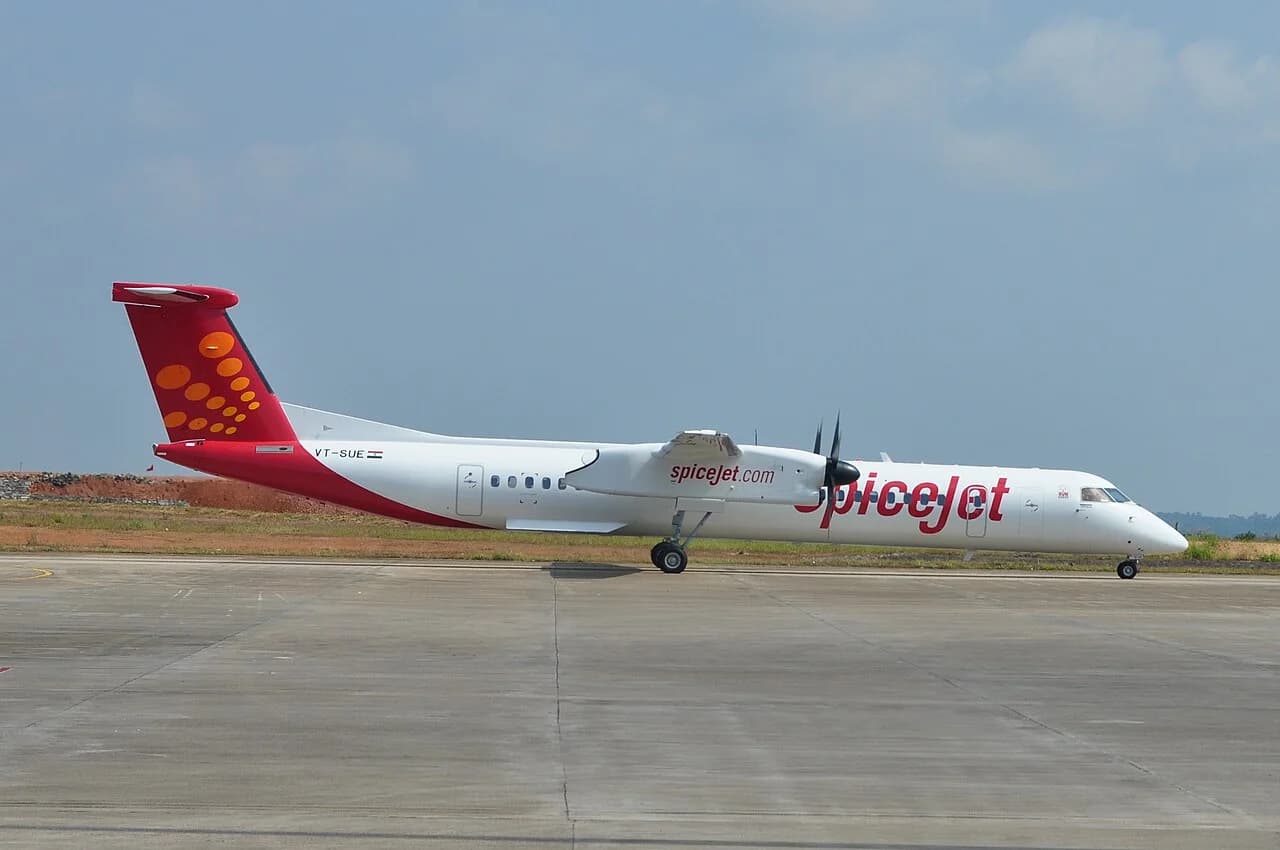
Photo source · Premnath Kudva, CC BY-SA 3.0