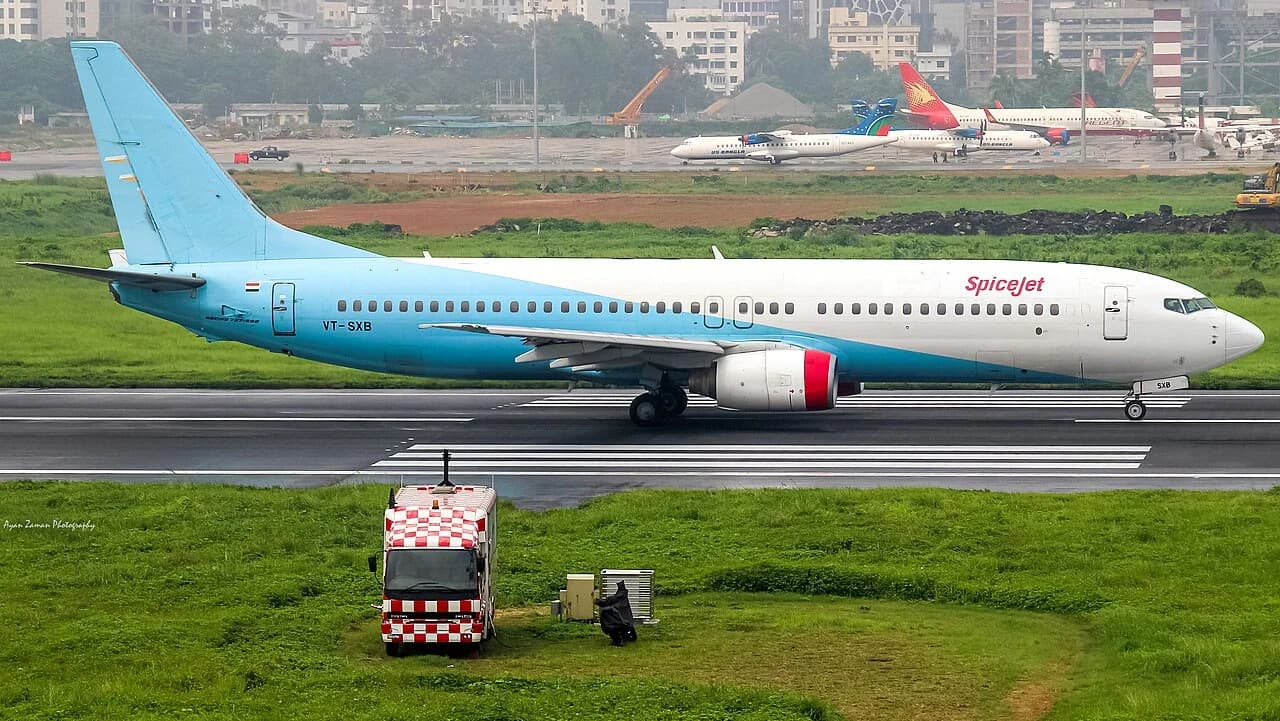
The Federation of Indian Pilots (FIP) on 22 November 2026 asked the Union Ministry of Civil Aviation in New Delhi to have the Directorate General of Civil Aviation (DGCA) curb SpiceJet's flying schedule if the cash-strapped airline cannot show it has the money, aircraft and crew to run its approved flights safely. The demand came in a 12-page representation signed by FIP president Captain C S Randhawa and addressed to the Union Civil Aviation Minister, Business Today reported.
What exactly are the pilots asking for?
The pilots want an immediate financial and safety audit of SpiceJet by the DGCA. According to the Free Press Journal, the federation asked the regulator to check the airline's actual cash, salary arrears, statutory and lessor dues, the validity of aircraft insurance, compliance with flight duty time limitation (FDTL) rules, and whether its planned fundraise is realistic. If SpiceJet cannot demonstrate safe operating capacity, the letter says its approved schedule should be cut back.
The FIP also asked for scrutiny of the source, timing and intended use of the ₹5,500 crore that SpiceJet's board has approved raising, and argued that the airline's problems are "systemic" and could not be fixed by short-term fund infusions alone, Business Today reported.
Why are pilots linking money to safety?
The federation's central argument is that prolonged financial distress can affect "employee welfare, maintenance, operational reliability and aviation safety". It said salaries of pilots and other staff have reportedly been delayed, with some dues pending for several months, and warned that pay delays could cause stress, fatigue and reduced concentration among safety-critical employees.
Industry-wide demands
Beyond SpiceJet, the letter seeks wider reforms, according to both reports:
- Mandatory annual financial-health and safety-risk assessments of all scheduled airlines, with quarterly checks for distressed carriers.
- A centralised national monitoring system with early-warning signs such as salary delays, unpaid dues and grounded aircraft.
- Treating employee salaries as a priority obligation, and ring-fencing funds for maintenance.
- Lower and uniform state VAT on aviation turbine fuel (ATF), and a look at bringing ATF under GST.
- A meeting of the ministry, DGCA, Airports Authority of India, the Airports Economic Regulatory Authority, airlines and the FIP.
The federation said any government support for struggling airlines must not become an "unconditional bailout".
What has the DGCA already done?
The regulator issued SpiceJet a show-cause notice on 17 November 2026 over operational disruptions, non-compliance, unpaid dues, grounded aircraft and the absence of a credible recovery plan, and gave the airline seven days to reply, both outlets reported. That points to a response deadline around 24 November.
SpiceJet's domestic market share has fallen from about 21% in 2014 to nearly 0.6% in October 2026, Business Today reported, and a substantial part of its fleet is grounded.
What happens next for passengers?
Neither report carried a response from SpiceJet, and there was no public reaction from the ministry or the DGCA to the pilots' letter as of Sunday night. Travellers holding SpiceJet tickets should check their flight status with the airline before leaving for the airport.
Photo source · Md Shaifuzzaman Ayon, CC BY-SA 4.0