This is a MapMyTimes opinion piece. It responds to remarks by Union Power Minister Manohar Lal on 28 November 2026, at the close of a two-day Power Ministers' Conference in New Delhi, where he proposed that households who believe their new smart meters are running fast should be able to have them checked over three months. MapMyTimes reported the announcement, along with the Centre's March 2027 target for connecting every remaining household.
The idea is sound. It is also, for now, only an idea. Unless states turn it into a clear, time-bound and free entitlement, it risks becoming one more form that a frustrated consumer fills in and never hears back about.
What did the minister actually say?
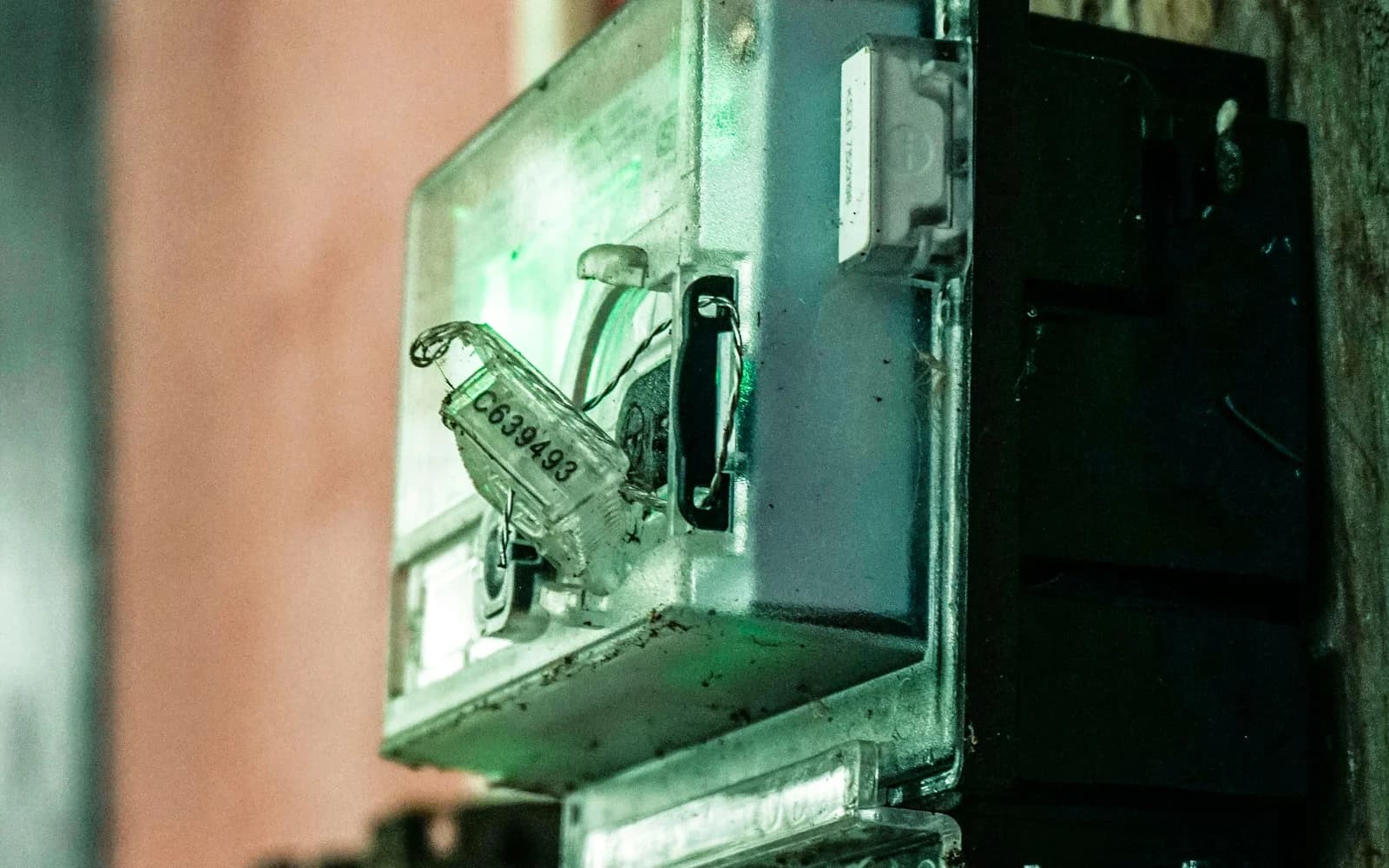
According to The Week's report of the briefing, the minister said there should be a mechanism for consumers who complain that their meters are running fast to get them checked over a three-month period. He said the government is targeting seven crore smart-meter installations, that complaints are being handled through the existing grievance redressal system, and that he favours one-time settlement schemes to help consumers clear old electricity dues. Reports describe the check-meter plan as a suggestion to states; no formal guideline has been published.
The minister was candid about one source of anger. MapMyTimes' report, citing The Economic Times, noted his view that old dues are often not settled properly, so a consumer's first smart-meter bill can carry arrears they did not expect. That matters, because a bill shock caused by arrears looks, to the person paying it, exactly like a faulty meter.
Why does this complaint keep coming back?
The rollout is large and fast. A CareEdge Ratings report released in early November, reported by Telangana Today, said about 6.5 crore smart meters had been installed as of April 2026 against a target of 25 crore by March 2028, and that the country would need roughly 2.5 lakh installations a day to meet it. When meters are fitted at that pace, some disputes are inevitable.
Consumers have also been told different things at different times. In the Lok Sabha on 2 April 2026, the minister said prepaid smart meters were not compulsory for all consumers, according to All India Radio News. Yet many households experience the change as something done to them, not with them. Trust has to be earned meter by meter.
The strongest case against
There is a serious argument that check meters are an expensive answer to a perception problem. Utilities say the technology is not the issue. When Maharashtra's state discom, MSEDCL, agreed in July to install old-style check meters in Thane after residents complained of higher bills, its chief engineer said both types of meter record electricity use in the same way, the Free Press Journal reported.
The financial case for smart metering is also real. The same CareEdge report said aggregate technical and commercial losses fell from 20.73% in FY20 to 15.04% in FY25, and estimated that better billing and collection could bring in about ₹1.84 lakh crore over five years. The minister has argued in Parliament that prepaid metering helps distribution companies recover what they are owed. Every rupee spent on parallel meters and site visits is a rupee not spent on the grid, and a flood of speculative complaints could slow a rollout that, on balance, should reduce theft and estimated bills.
That argument deserves a fair hearing. But it cuts both ways. If the meters are accurate, a transparent check will prove it quickly and cheaply, and the dispute ends. A discom confident in its equipment has little to fear from a comparison.
What would make the check meaningful?
First, write it down. States and electricity regulators should turn the minister's suggestion into a published procedure with a time limit for installing the check meter after a complaint is filed, and a fixed date for the result.
Second, separate the meter from the money. Every disputed bill should show, line by line, how much is current consumption and how much is carried-over arrears. Many "fast meter" complaints may turn out to be old dues, and the minister's own call for settlement schemes recognises this.
Third, keep the test free for consumers whose complaints are upheld, and make the outcome binding: if the smart meter is found to over-record, the excess should be refunded or adjusted automatically, not after a second round of petitions.
Fourth, publish the numbers. Maharashtra's Thane plan to place check meters alongside 20–25% of new installations offers a model of proactive auditing. If states released anonymised results showing how many checks were done and how many meters were found faulty, they would answer critics with evidence rather than assurance.
A test of trust, not technology
The government's household-electrification and smart-metering goals are worth pursuing. Reports of the same briefing said about 6.25 lakh of 14.5 lakh identified households have been connected so far. As those families come onto the grid, many will start with a smart meter. Their first experience of the system will shape whether they see it as fair.
A three-month check is a modest promise. Kept well, it could do more for the smart-meter programme than any target. Kept badly, it would confirm the suspicion it was meant to dispel. The Centre has made the suggestion; the states now have to make it real.