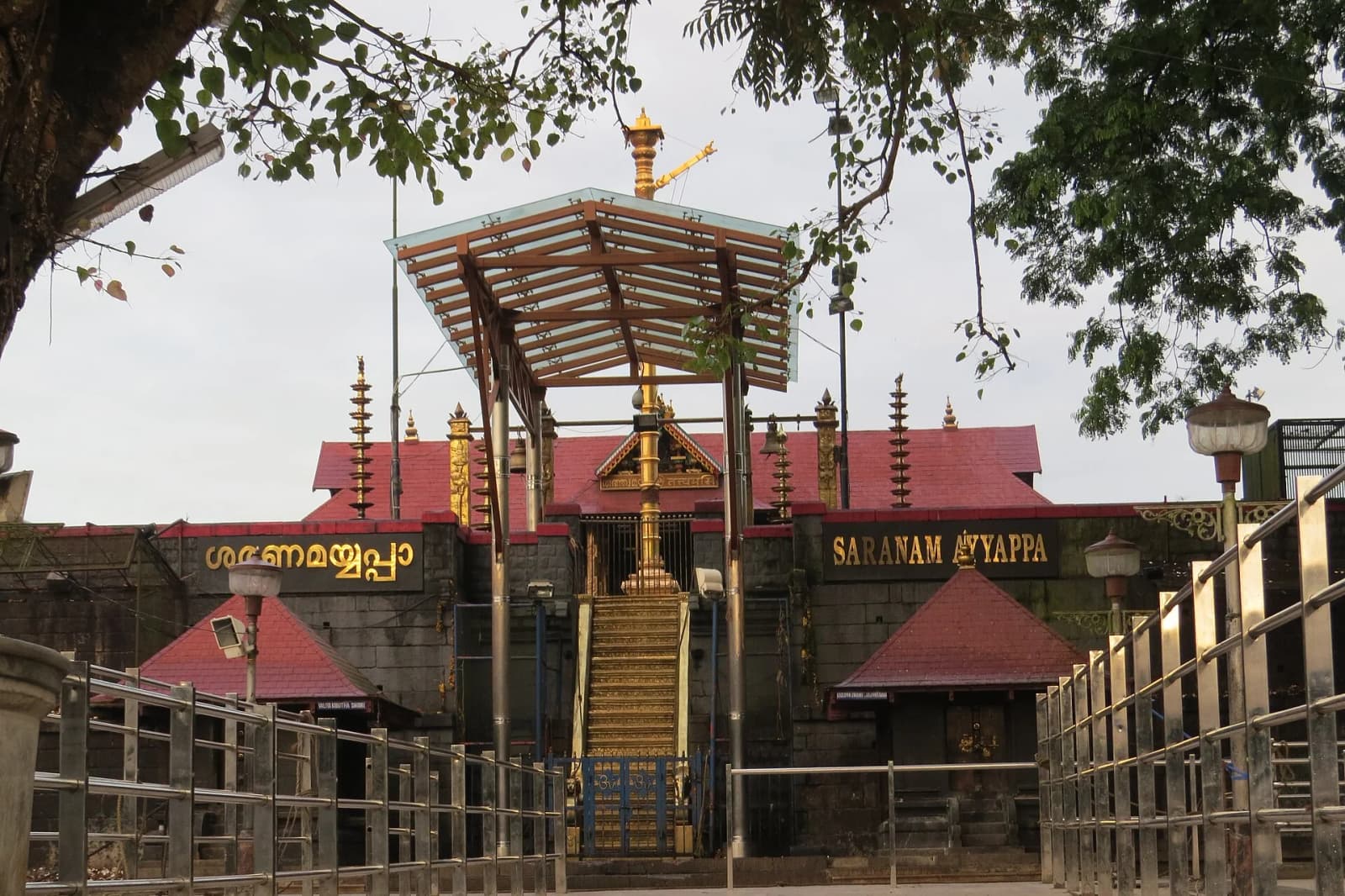
This is a MapMyTimes opinion piece. It responds to the inquiry Keralam ordered on 20 November 2026 into why thousands of pilgrims who book darshan slots at the Sabarimala Ayyappa temple in Pathanamthitta district never arrive, even though the online virtual queue shows every day as full until 9 January. MapMyTimes reported the inquiry and the bulk-booking suspicions on 21 November.
What has gone wrong with the Sabarimala virtual queue?
The booking calendar and the hill shrine no longer agree with each other. Officials quoted in an IANS report on 20 November said 20,000 to 35,000 people who reserve a slot fail to turn up on some days. On the opening day of the season, more than 56,000 devotees had booked but about 48,000 reportedly reached the shrine. Because an unused slot cannot be handed to anyone else, the portal shows no room while the queue on the hill is shorter than the board planned for.
The cap is about 80,000 pilgrims a day: 66,000 through the virtual queue and 14,000 through spot booking, according to ETV Bharat. On some days, it reported, only about half that number reached Sannidhanam. A preliminary police and Revenue Department assessment, led by Sabarimala chief coordinator ADGP P. Vijayan, suspects travel agencies in Tamil Nadu, Andhra Pradesh and Telangana of booking slots in bulk with pilgrims' documents and reselling printed coupons. That remains a suspicion, not a finding.
The case for a quick return to spot booking
The strongest opposing view deserves a fair hearing. The Travancore Devaswom Employees' Front wants spot booking restored at Pampa and the time limits on virtual queue slots relaxed. It argues that strict timings and difficult travel may be keeping devotees away. Police, for their part, have questioned the bulk-booking theory, saying Aadhaar-based booking makes large-scale reservations hard, and suggested that some pilgrims simply postponed trips to avoid the expected rush. If that is right, the problem is rigidity, and more walk-in places would fill the gap at once.
That argument has force, and the board has already moved some way towards it by adding 5,000 virtual queue slots a day until 30 November and raising spot booking. But spot booking alone cannot fix a system in which a slot can be held by someone who never intends to climb the hill. Walk-in counters also bring back the crowding at Pampa and Nilakkal that the online queue was meant to manage.
Why fixing the booking system matters beyond one season
An empty slot is not a small thing. It is a devotee who was told there was no space, a trader in Pampa who loses a sale, and revenue the Travancore Devaswom Board does not collect. Officials have said the shortfall hurts the board and the workers who depend on the two-month season. If coupons are indeed being resold, pilgrims are also paying a premium for something that should cost them nothing extra.
What should the inquiry deliver?
The inquiry should deliver a fix that works before the Makaravilakku rush. Authorities are reportedly considering OTP verification, and police are to recommend measures against bulk booking. Those steps are sensible if they come with three more: a check at entry that the pilgrim's ID matches the one used to book; a clear cut-off after which an unclaimed slot is released to spot booking the same day; and daily publication of booked versus actual numbers so the public can judge whether the reforms work. Cyber forensic help has reportedly been sought; its findings, and the names of any agencies found misusing the system, should be made public.
Sabarimala's virtual queue was built to keep pilgrims safe on a steep forest path. It can still do that, but only if a booked slot belongs to a real person who intends to come. Restoring some flexibility and closing the loopholes are not rival choices. The board can do both. Pilgrims flying in this season can already carry the Irumudi Kettu in the aircraft cabin; the last few kilometres deserve the same thought.
Photo source · Vinayaraj, CC BY-SA 4.0