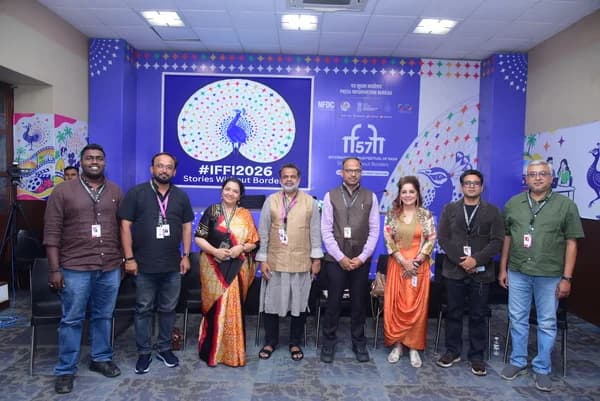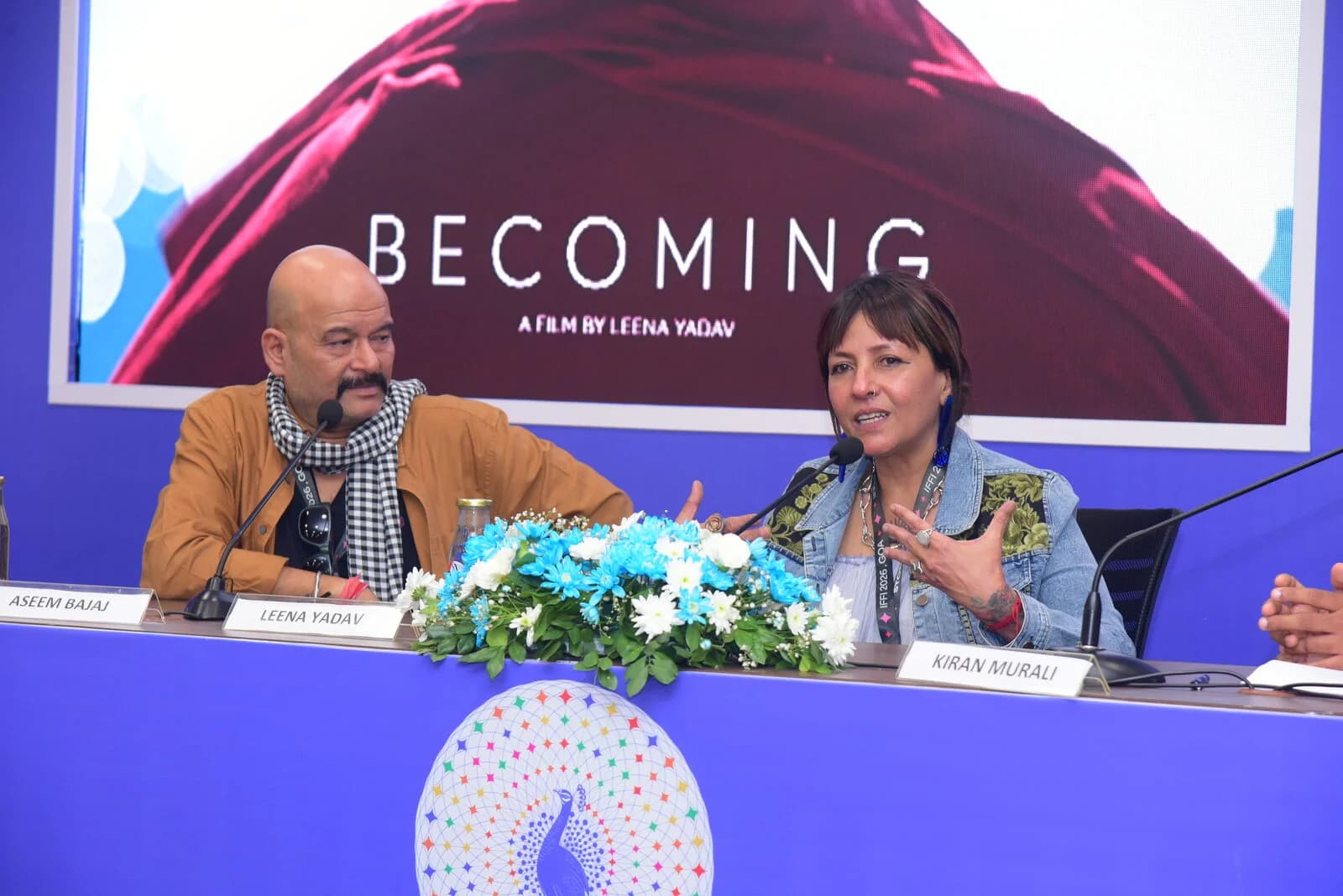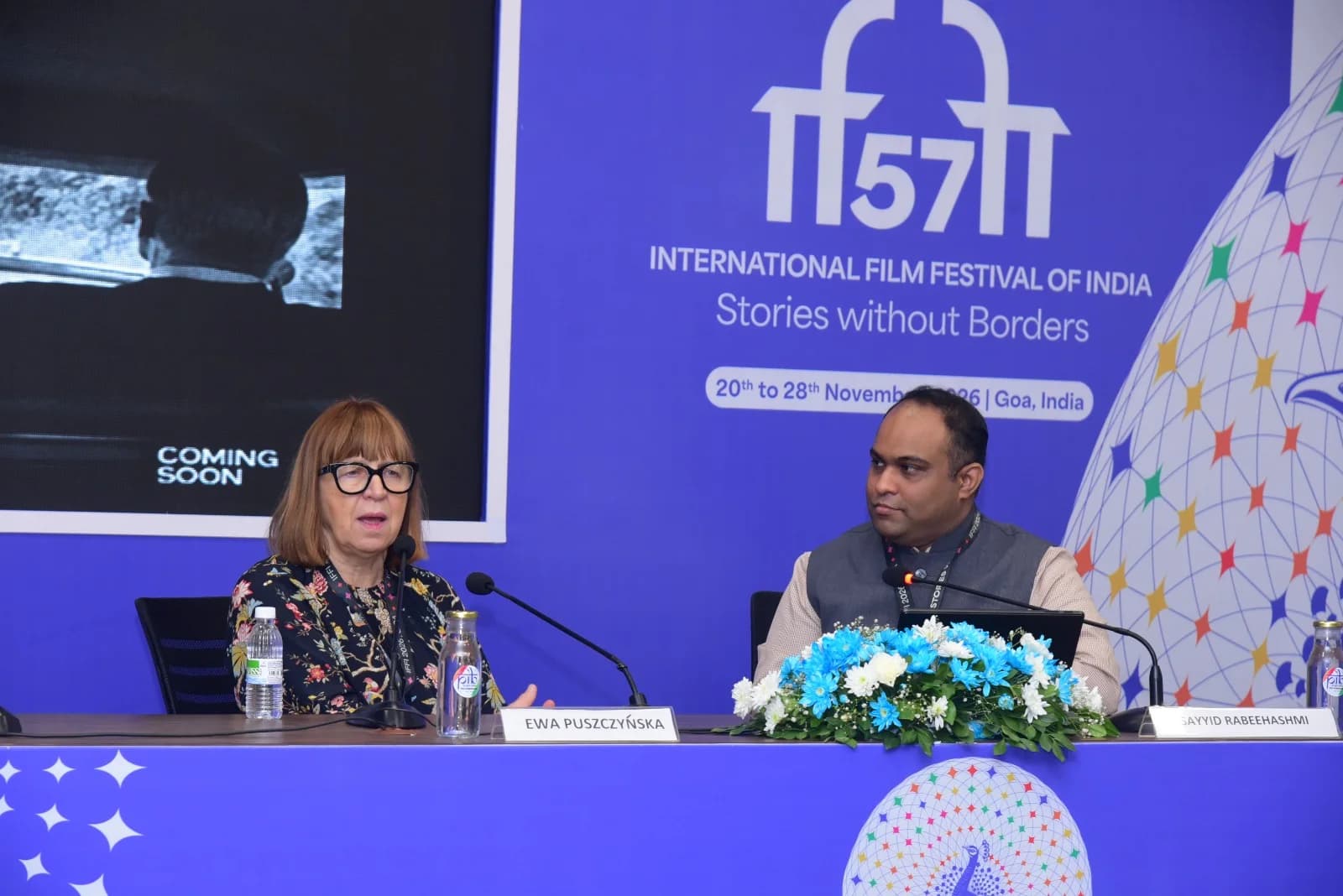
This is a MapMyTimes opinion piece. It responds to two film-heritage events of 21 November 2026: the 57th International Film Festival of India (IFFI) in Goa began screening five restored classics to mark the birth centenaries of seven artists born in 1926, and in Guwahati, Assam, the Film Heritage Foundation opened its 11th Film Preservation and Restoration Workshop India. MapMyTimes reported both the IFFI centenary tribute and the Guwahati workshop.
The IFFI line-up is a pleasure to read. According to the Press Information Bureau release, the festival is showing Chowringhee (Bengali, 1965) for Uttam Kumar, Kashmir Ki Kali for director Shakti Samanta and composer O.P. Nayyar, Sadhi Manase (Marathi, 1965) for Suryakant Mandhare, Thulabharam (Malayalam) for Prem Nazir, and Yash Chopra's Waqt for Raaj Kumar and composer Ravi. All five were restored by the National Film Development Corporation (NFDC) under the National Film Heritage Mission, which the release calls the Information and Broadcasting Ministry's flagship initiative to preserve, digitise and restore India's film legacy.
Why should a festival tribute matter to ordinary viewers?
It matters because a restoration that is seen only by festival delegates in Goa has done half its job. The point of spending public money to repair a 1965 Bengali ensemble drama or a Marathi film whose music Lata Mangeshkar composed under the name "Anandghan" is that people in Kolkata, Kolhapur and Kozhikode can watch it again, in good condition, decades after its first run. The PIB release spoke of film heritage for future audiences, but it did not say where these restored versions will go after the festival.
Our view is simple: every film restored with public funds should come with a public plan for showing it. That could mean screenings at state film bodies and university film clubs, availability on the public broadcaster's platforms, or clear terms for private streaming services where rights allow. A short note with each restoration announcing where and when viewers can see it would cost little and add a great deal of value.
Who will do the restoring?
The second event of 21 November points to the other gap: people. The Film Heritage Foundation says its workshop, run with the International Federation of Film Archives (FIAF), has been held in different Indian cities since 2015 and has trained 500 participants so far, describing it on its workshop page as the only one of its kind in this part of the world. The seven-day course in Guwahati, which runs until 28 November, covers film identification and repair, digitisation, cataloguing and paper and photograph conservation.
A trained archivist is useful only if there is a job and a collection to work on. State governments, universities and film institutes could do more to employ such graduates and to survey the reels sitting in their own stores, especially in regional languages whose films are less likely to attract commercial restoration.
Is there a case for caution?
Yes, and it deserves a fair hearing. Restoration is slow and expensive, rights to old films are often divided or unclear, and a producer or heir may not want a film released free or cheaply. Some will argue that public money is better spent on living filmmakers than on old titles, and that festivals are exactly the right showcase for prestige restorations. Those concerns are real, and no one should expect every restored film to be free to stream overnight.
But the answer to tangled rights is to sort them out before restoring, not to let a finished restoration sit unseen. And honouring living filmmakers and old masters is not a contest: IFFI itself is doing both this week.
What would success look like?
Success would be a viewer in Thiruvananthapuram able to watch the restored Thulabharam next year, or a student in Guwahati who trained this week finding work saving Assamese films. The centenary tribute shows what restoration can recover. The next step is to make sure the public that paid for it gets to see it, and that there are enough skilled hands to do the next hundred films.