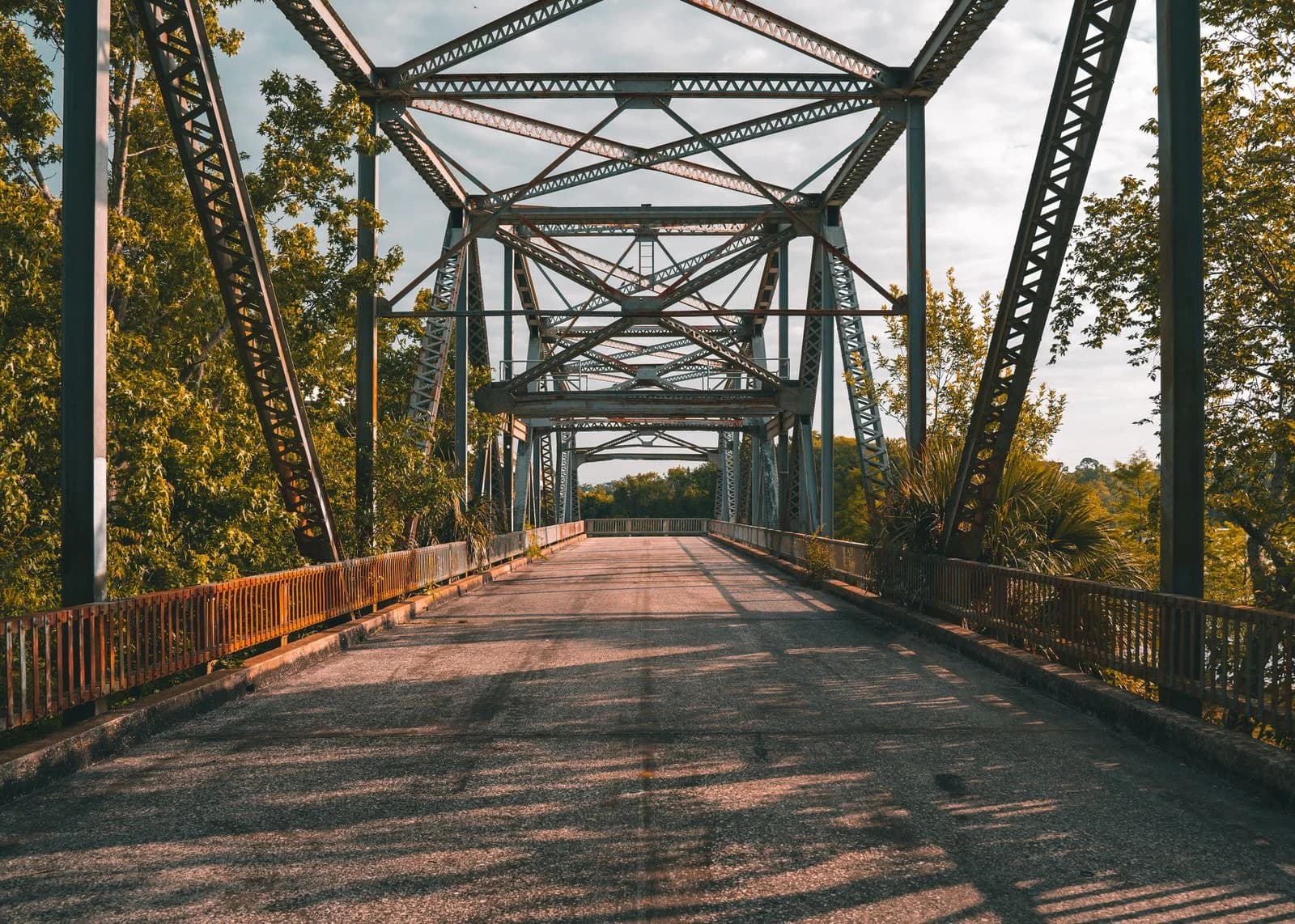
This is a MapMyTimes opinion piece, the publication's editorial view. At about 6 am on 19 November 2026, a 60-metre steel truss bridge over the Bhakra Main Line canal on the Patiala-Sangrur bypass in Punjab gave way, and two trucks went down with it. On the same day, Union Road Transport Minister Nitin Gadkari told engineers at the 85th Indian Roads Congress session in Hyderabad that India must get rid of accident black spots and take construction quality seriously. The two events, hundreds of kilometres apart, belong in the same conversation.
What happened in Patiala?
No one died, and that is the first thing to be grateful for. According to a PTI report on the collapse, one truck caught fire and a truck driver was taken to Government Rajindra Hospital with injuries. The National Highways Authority of India (NHAI) said the bridge on the Patiala bypass (new NH-07) near Pasiana village was built by the Border Roads Organisation under the supervision of the Punjab Public Works Department, that the bypass was handed to NHAI in 2018, and that the stretch is now under NHAI's short-term maintenance contract. NHAI has formed an expert committee, the district administration has ordered a magisterial inquiry, and a 60-metre Bailey bridge is being brought in to restore traffic within three to four days. MapMyTimes reported the collapse and the diversions on Thursday.
The cause is not yet known. Officials quoted in the same report said three trucks may have been bunched together on the span after one broke down, and the inquiry will check whether the load limit was exceeded. Residents told reporters the bridge was about a decade old, had been repaired two years ago and used to shake, and that they had alerted the authorities. These are claims, not findings, and they should be tested by the probe rather than assumed.
Why do Gadkari's words matter here?
Because the minister said, in effect, what many road users already believe. Reports of his Hyderabad speech quote him as saying that "not a single DPR is prepared in a foolproof manner", referring to the detailed project reports on which every highway is built, and that the practice of giving DPR work to the lowest bidder has been stopped. He put India's annual toll at about five lakh road accidents and 1.8 lakh deaths, and asked engineers to make sure black spots no longer appear on state highways, national highways or city roads. MapMyTimes covered the speech here.
A minister admitting gaps in his own sector is welcome. But candour at a conference has to be matched by something the public can check.
Is there a pattern?
There is at least a record. In a written reply to Parliament summarised by The Tribune in August 2025, the road transport ministry listed at least 14 major structural incidents on key projects in under two years, from a flyover collapse in Assam to girder failures in Haryana and Uttar Pradesh. The ministry said it had fined contractors, removed design consultants and directed NHAI regional offices to file incident reports within 15 days. Those steps are real. What is missing is a single public place where citizens can see what failed, why, and what happened to the people responsible.
What is the strongest case against blaming the system?
It deserves a fair hearing. India builds and maintains highways at a scale few countries attempt, and some failures are statistically inevitable on any large network. The Patiala span was inherited from a state agency, not built by NHAI. If the trucks were overloaded or bunched on a single span, the failure may lie as much with enforcement on the road as with the steel. And there is a practical worry: if every collapse brings demands for arrests and blacklisting before the facts are in, good firms and engineers may avoid public work, or slow it down with defensive caution. Penalties that come before proof can do as much harm as no penalties at all.
Those points are reasonable. But none of them argues against transparency. Inherited assets still carry today's traffic, and overloading is a known risk that inspections and load signage exist to manage.
What should happen next?
- Publish the Patiala report. NHAI has said it will report on the cause, the bridge's structural condition, load capacity and maintenance history. That report, with a date for it, should be public.
- Audit inherited bridges. Spans taken over from state agencies, especially older steel truss crossings over canals, should be inspected and their safe load limits posted at both ends.
- Make incident reports public. The 15-day reports NHAI's regional offices already prepare could form an open register of structural failures and the action taken.
- Log residents' warnings. If people said a bridge was shaking, there should be a record of when they said it and what was done.
Mr Gadkari has set the right goal: roads designed so that black spots never form and quality lapses carry consequences. The Patiala collapse, on the same day, is a chance to show how that goal works in practice, starting with a report the public can read.