Union Minister for Road Transport and Highways Nitin Gadkari on 19 November 2026 told road engineers, contractors and consultants gathered in Hyderabad, Telangana, that any compromise on construction quality must invite action, and asked them to fix accident-prone spots through better design. He was addressing the 85th Annual Session of the Indian Roads Congress (IRC), the body that frames technical standards for India's roads, according to a release issued by the Press Information Bureau.
Telangana Chief Minister A. Revanth Reddy and the state's Roads and Buildings Minister Komatireddy Venkat Reddy attended, along with IRC President L. K. Padhi, IRC Secretary General Rahul Gupta and Sudip Chaudhary, Director General (Road Development) and Special Secretary in the Ministry of Road Transport and Highways (MoRTH).
What did Gadkari ask road builders to do?
He asked them to treat quality, safety and durability as the top priorities, and called for greater accountability among contractors, consultants and engineers. According to the ministry, he wanted highway projects carried out in a transparent, time-bound and result-oriented way.
He also flagged weaknesses earlier in the pipeline. The minister said Detailed Project Reports (DPRs) needed to be of better quality, technical supervision had to be tighter, and road safety audits had to be implemented effectively rather than on paper.
How does this affect people who use highways?
The safety push is aimed squarely at road users. Gadkari urged engineers to identify accident-prone locations and correct them through proper planning, improved junction design and, where needed, flyovers and underpasses. He called for a collective commitment to reduce road accidents and remove black spots, the stretches where crashes repeatedly occur, through better engineering.
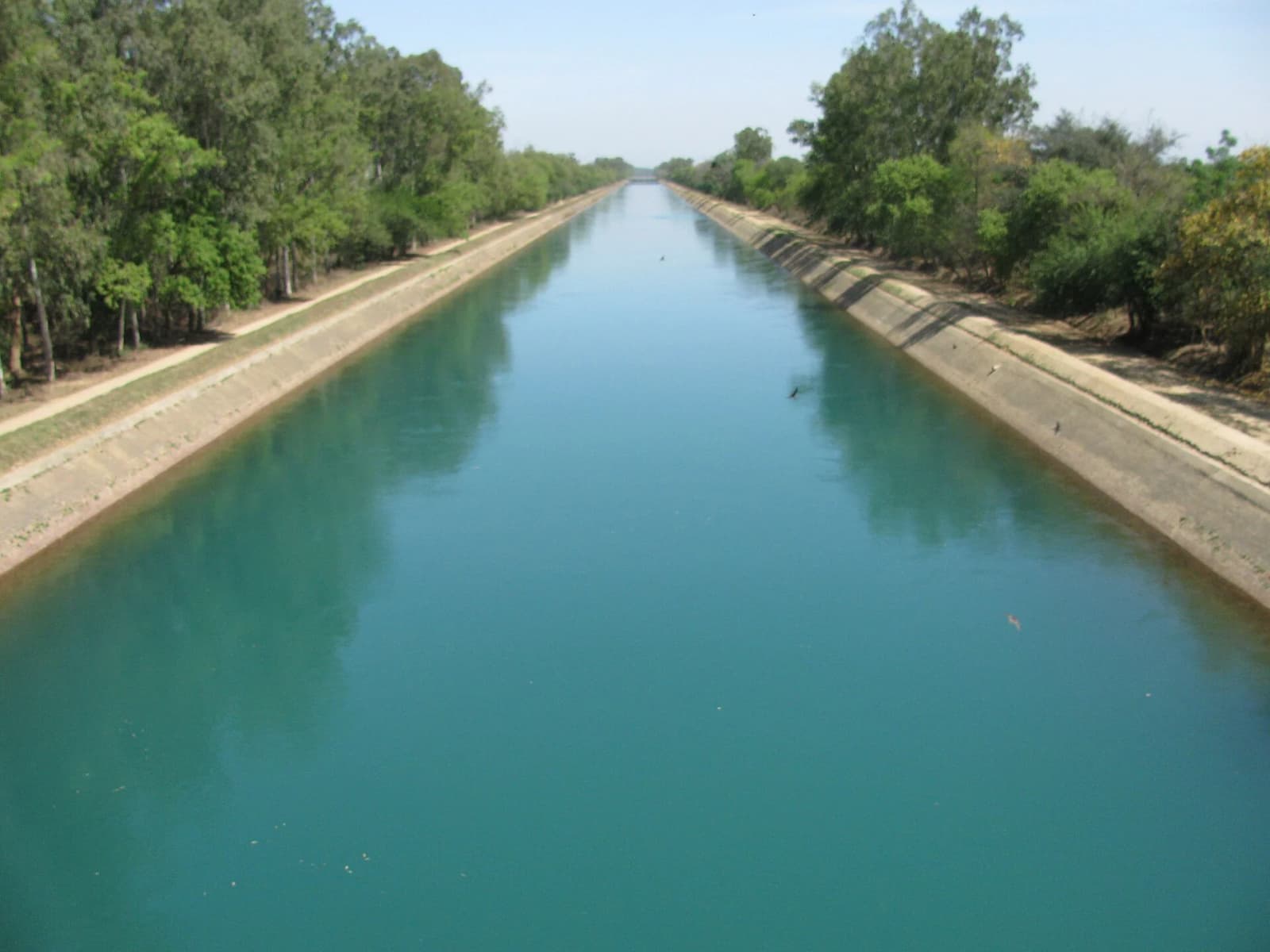
The appeal came the same week a bridge on the Patiala Bypass collapsed into the Bhakra canal, forcing traffic diversions (read our report). The PIB release did not refer to that incident.
Cheaper, greener materials
Gadkari repeated his call for alternative materials in road construction where technically suitable, listing plastic waste, used tyres, steel slag, municipal solid waste and agricultural residue. He mentioned bio-bitumen made from rice straw as one example.
He encouraged contractors to run construction equipment on electric power, ethanol, biodiesel, CNG, LNG and hydrogen, saying this could cut pollution, reduce dependence on imported fossil fuels and open new income for farmers. He also pressed for treated wastewater to be used on construction sites given rising water stress, and for research on transplanting trees and planting along highways.
Roads, rural links and financing
The minister linked good roads to lower travel time and logistics costs, and to growth in trade, agriculture and tourism. Citing the Pradhan Mantri Gram Sadak Yojana, he stressed all-weather connectivity for villages. He also called for innovative financing, including public-private partnerships and monetisation of existing highway assets.
Gadkari asked the IRC to strengthen international cooperation so Indian codes keep pace with global practice, and to focus on making sure its standards and guidelines are actually implemented across the country, not just written.
What happens next?
The release said the minister hoped the session's deliberations would lead to safer and more durable roads. It did not announce any new rule, deadline or funding. Readers following road policy can also see our reports on the ministry's proposed change to PUC certificate validity.
Photo source · Baba Ovian, CC BY-SA 3.0