This is a MapMyTimes opinion piece. It responds to the case registered on its own by the Keralam State Commission for Protection of Child Rights on 21 November 2026, after doctors in Malappuram district said a 17-year-old girl developed a serious kidney disease allegedly linked to mercury in a fairness cream she had bought online. MapMyTimes reported the case the same day.
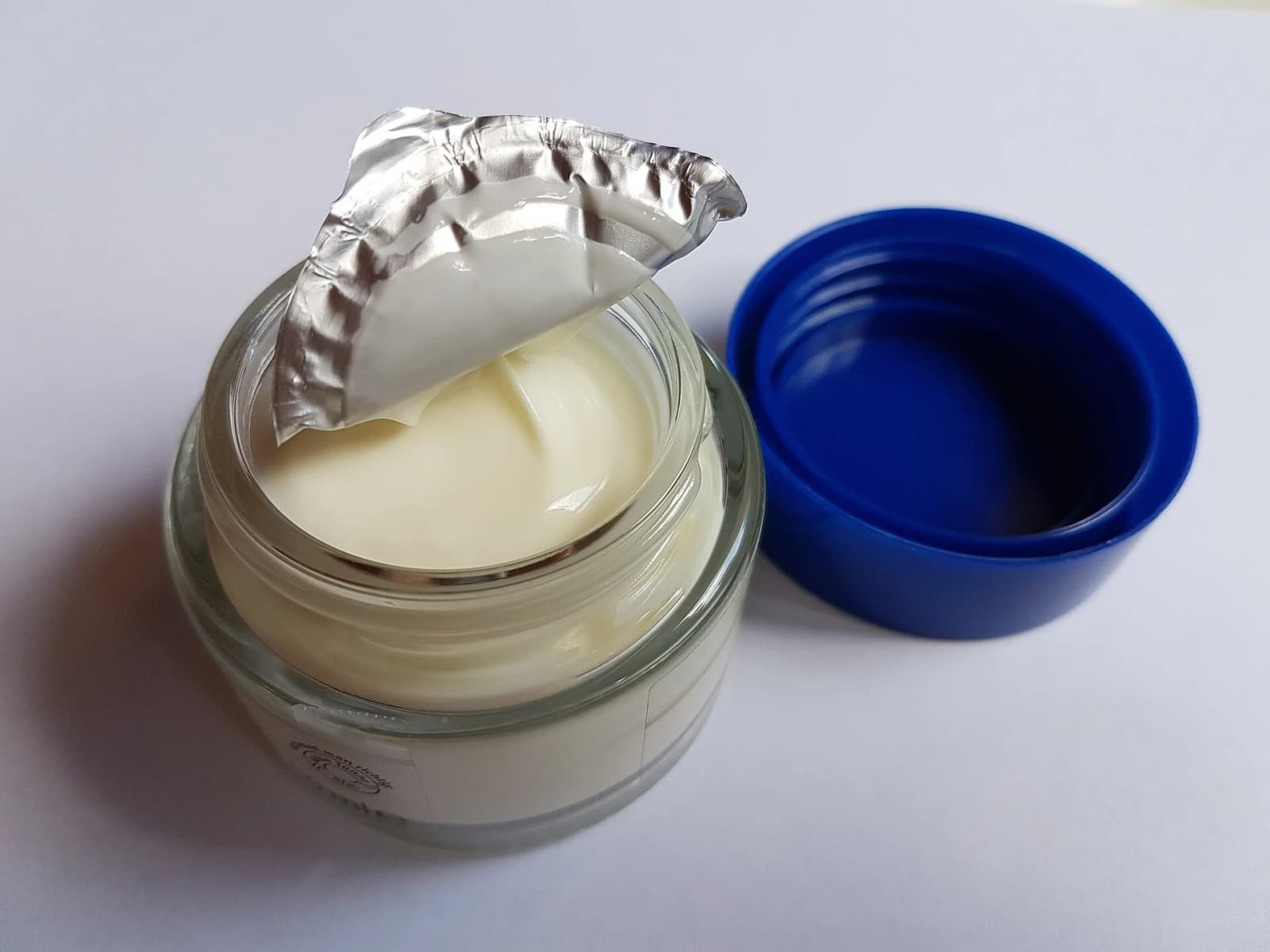
The details reported so far should worry every parent with a teenager and a smartphone. According to a PTI report, the girl ordered the cream after watching Instagram influencers claim it could clear pimples, dark spots and pigmentation, and used it for close to a year. Her nephrologist, Dr Gowri S, told reporters that tests on the cream allegedly showed mercury at 12,500 parts per million, against a normal permissible level of under one ppm, and that the girl had developed membranous nephropathy. These are allegations from the treating doctor and the family; the seller has not been publicly named and its side is not known.
Why does one teenager's case matter beyond Malappuram?
It matters because the route by which the cream reached her, an influencer video followed by an order placed online, is now an ordinary way of shopping, and it largely bypasses the checks that a pharmacy shelf is supposed to provide. The World Health Organization (WHO) says mercury-containing skin-lightening products are hazardous and have been banned in many countries, yet they may still be advertised and sold online even where controls are tight. WHO also lists kidney effects, from protein in the urine to kidney failure, among the harms of mercury exposure.
In other words, the danger is known and the products are already illegal in many places. What is missing is enforcement that keeps pace with how such products are actually marketed and delivered.
What should regulators and platforms do?
The commission has done the right thing by asking for explanations from the Director of Health Services, the State Police Chief, the Drugs Controller, the Central Consumer Protection Authority and the hospital superintendent, as ANI reported. That list itself shows the problem: responsibility for an unsafe cream sold through social media is spread across health, police, drug and consumer agencies, and no single one owns it.
In our view, three steps would help. First, the authorities should test the product, publish the result and, if the allegation is confirmed, name the seller and trace where else it was shipped. Second, social media companies should treat paid or promotional posts for skin-lightening creams as a higher-risk category, and act quickly on regulators' notices about specific products. Third, the influencers who promoted such products should be asked what, if anything, they checked before telling young followers that a cream was safe.
Is there a fair case against tougher rules?
There is. Many small sellers and creators work honestly, and blanket restrictions on skin-care promotion could punish them for the actions of a few. Platforms also argue, with some justice, that they cannot laboratory-test every product mentioned in millions of posts, and that the duty to keep poisonous goods off the market lies first with manufacturers and government inspectors. A crackdown that relies only on taking down posts may simply push the trade into private chats.
Those points are reasonable, which is why the answer should be targeted rather than sweeping: focus on product categories where the harm is documented, such as mercury in skin lighteners, and on fast follow-through once a regulator has flagged a specific item. Maharashtra's recent move to bring supplement sellers in gyms and pharmacies under food licensing, reported by MapMyTimes, shows that states can widen oversight of products sold outside the usual channels.
What can families take from this now?
Dr Gowri cautioned people against advertisements that promise instant results or rapid changes in skin tone, and urged anyone with skin problems to see a dermatologist. That is sensible public guidance. But the burden should not rest on a 17-year-old to spot a poison in a jar that an influencer has called safe. The commission's inquiry is a chance to show that the people who make, sell and promote such products will be held to account.
Photo source · Benff, CC BY-SA 4.0