This is a MapMyTimes opinion piece. On 22 November 2026, Kerala Health Minister K. Muraleedharan ordered statewide raids on illegal fairness creams after a 17-year-old girl from Malappuram district developed a serious kidney disorder that doctors linked to a skin-lightening cream, as MapMyTimes reported. The crackdown is welcome. But raids on shop shelves alone will not reach the place where this cream was actually sold: a phone screen.
What happened in Malappuram?
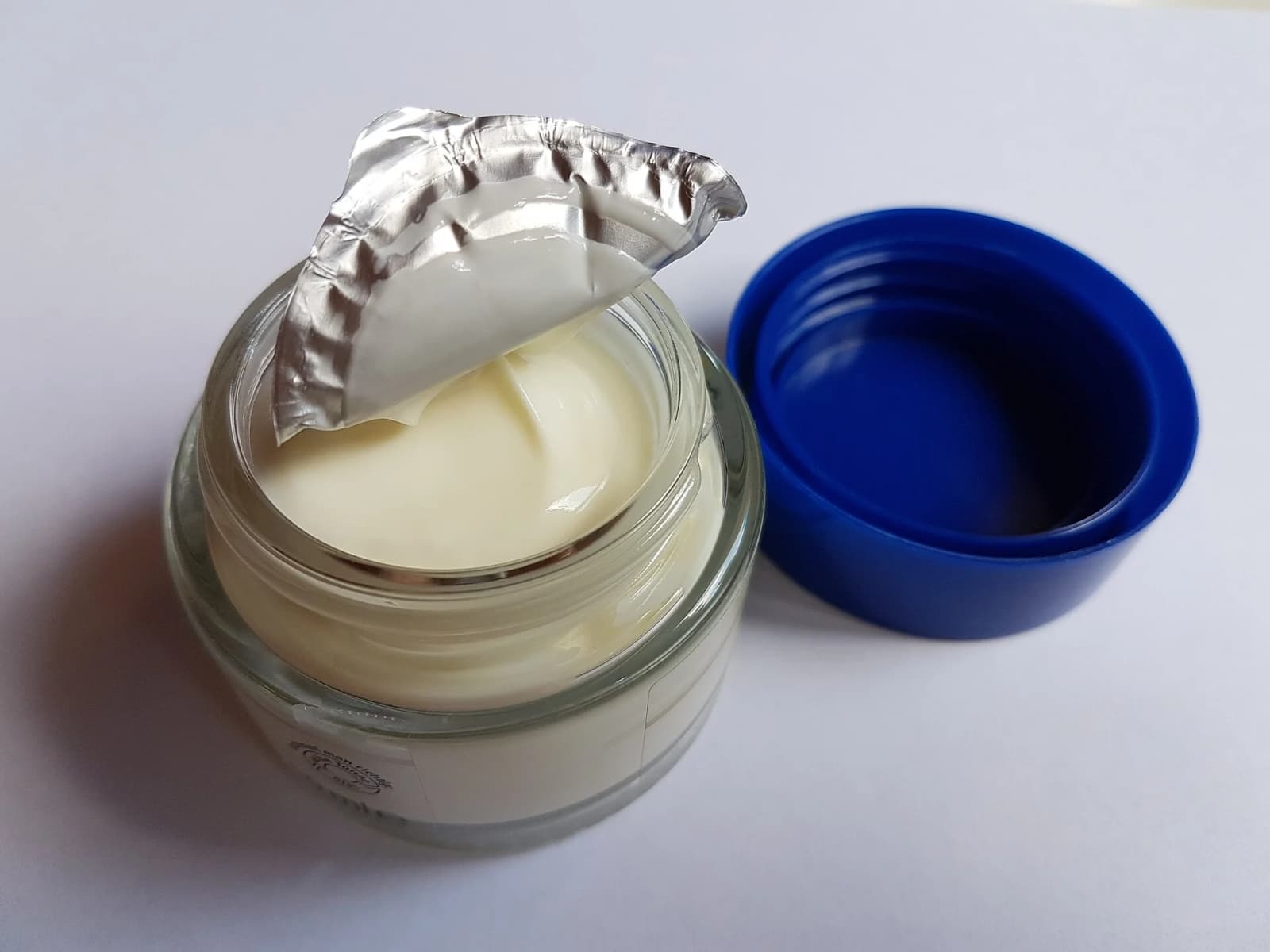
A teenager bought a fairness cream after seeing it advertised on Instagram, used it for close to a year and was diagnosed with membranous nephropathy, a condition that damages the kidney's filters, according to reports by The South First and The420.in on 23 November. The420.in reported that a government-accredited laboratory found 12,500 parts per million (ppm) of mercury in the product, which is 1.25 per cent and matches the figure MapMyTimes reported citing hospital sources. The same report said the Instagram page that promoted the cream disappeared after the case became public, and that her family is preparing complaints to the state police chief and a consumer court. Her condition has reportedly improved.
The minister has told the State Drugs Controller to inspect every district, said sellers of illegal products will lose their licences and face criminal cases, and warned that vloggers and influencers who promote such products for payment will face legal proceedings, according to The South First.
Why is a 1.25 per cent figure so alarming?
It is thousands of times higher than the global benchmark. Article 4 of the Minamata Convention on Mercury bars parties from allowing the manufacture, import or export of cosmetics, including skin-lightening creams and soaps, with more than 1 ppm of mercury, and the World Health Organization says mercury causes kidney and nervous system damage and skin problems. This is not a one-off either. Onmanorama reported in August 2026 that the Kerala Drugs Control Department's Operation Soundarya had seized counterfeit cosmetics worth ₹9.64 lakh over four phases, and that some face creams tested at up to 20,000 ppm. The South First noted it had reported a similar case involving a 14-year-old Malappuram girl in October 2023.
Where should the state look next?
The trail now runs through social media pages, courier parcels and, reportedly, cross-border routes. Officials are examining the Mangaluru–Kasaragod corridor and suspect some consignments arrived from Pakistan through third-country hubs without the maker's name or manufacturing and expiry dates, according to reports. A shop raid cannot catch a page that sells by direct message and vanishes when questions start.
Kerala should therefore pair inspections with three steps. First, publish the test results: the names of products found with mercury, the levels detected and the sellers involved, so families can check what is already in their homes. Second, work with social media platforms and online marketplaces to take down listings and advertisements for products that fail tests, and preserve seller records for investigators. Third, follow through on the minister's warning to paid promoters with clear guidance on what checks an influencer must make before endorsing a cosmetic.
Is a crackdown the right answer?
There is a fair counter-argument. Heavy-handed raids can hurt small cosmetics sellers who stock legitimate goods, and permanent licence cancellation is a severe penalty if a trader was unknowingly supplied fake stock. Others argue that buyers who order unlabelled products from anonymous pages share responsibility. Both points deserve weight, which is why enforcement should be guided by laboratory evidence and due process, not by sweeps for publicity. Yet a 17-year-old cannot be expected to test a cream for mercury. The duty to keep poison off the market belongs to the people who make, import, sell and promote it, and to the regulators who license them.
What would success look like?
Success would mean fewer cases, not more seizure headlines. That needs regular, published testing; quick takedowns online; prosecutions that reach importers and not just counter staff; and plain-language awareness campaigns, which WHO lists among the tools for eliminating mercury from these products. The minister has also urged buyers to check a product's approval status and manufacturer details before buying. Kerala has acted quickly this time. It should now make sure the next teenager scrolling past a "glow in seven days" advertisement never gets the chance to buy it.
Photo source · Benff, CC BY-SA 4.0