This is a MapMyTimes opinion piece. It responds to the events of Saturday, 28 November 2026, when priests and residents at Jageshwar in Uttarakhand's Almora district gathered at the local museum to oppose any move of its ancient sculptures to Delhi, and an Archaeological Survey of India (ASI) expert committee stepped back from assessing them, as MapMyTimes reported.
What happened at Jageshwar?
An ASI expert committee arrived at the Jageshwar museum to examine the condition of selected sculptures being considered for display at Yuge Yugeen Bharat, the national museum the Centre is developing in Delhi's North and South Blocks. According to the district administration, as reported by The Hindu, the committee received representations from residents, decided not to go ahead with the physical inspection and recommended against forwarding the selected pieces, sending its report to the ASI Director General.
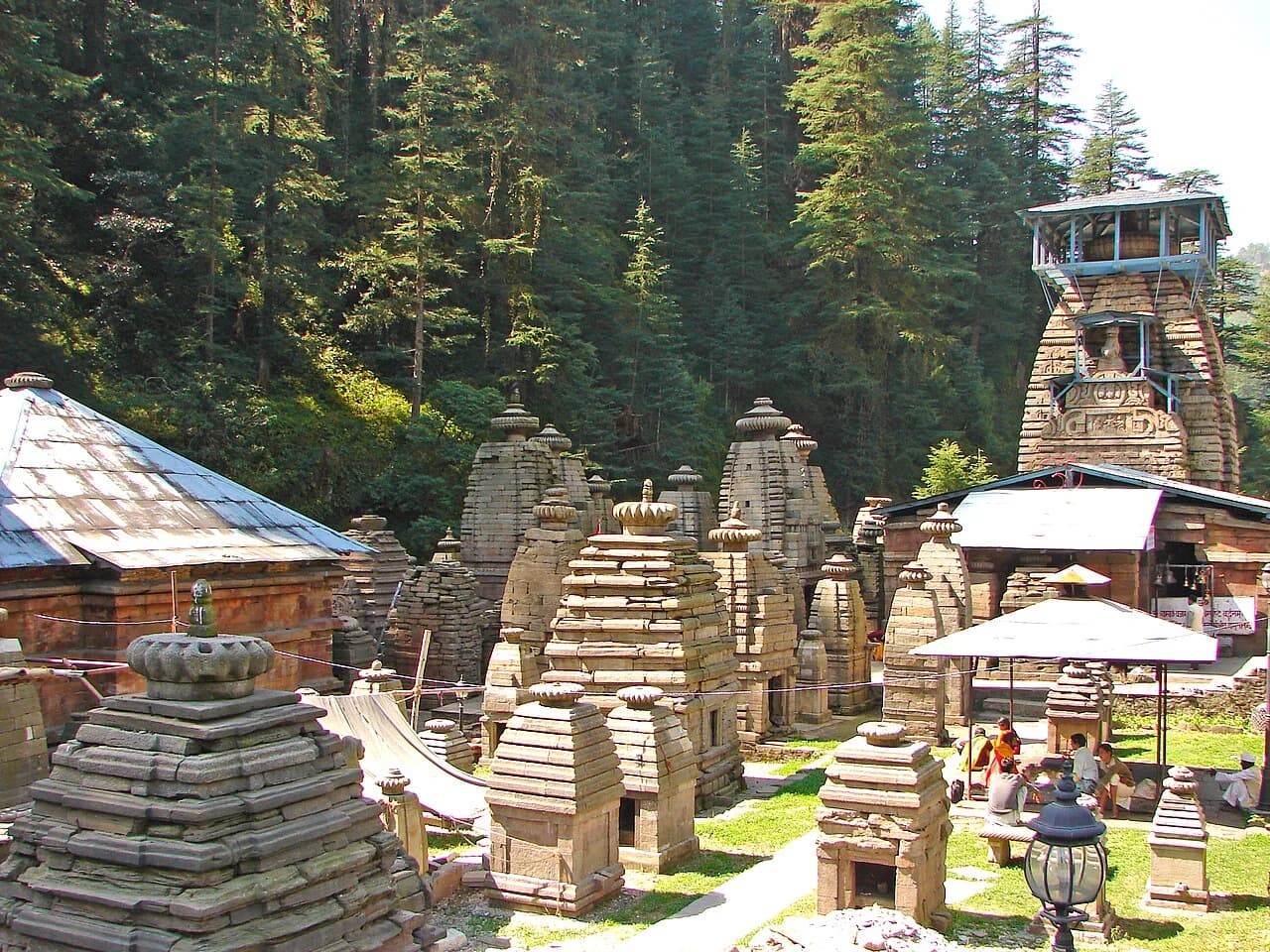
Residents told PTI they would sit in protest at the museum gate if anything was removed. The museum holds more than 274 sculptures, including images of Lakulisha Shiva and the figure locally known as 'Paun Raja', according to the agency. Former Chief Minister Harish Rawat asked why the pieces should leave when Jageshwar already has a museum built to house them.
Is the objection only about sentiment?
No, it is about who decides. Jageshwar is a living temple complex dedicated to Shiva in Kumaon, about 35 km from Almora, and the sculptures came from that sacred landscape. For priests and villagers, the objects are part of a continuing tradition and part of the area's identity as a pilgrimage centre. That residents felt they had to protest at the museum at all suggests the process was not explained to them clearly in advance.
An official assessment of fragile stone pieces is not, by itself, a decision to move them. But when residents have to infer intent from a visit, rumour fills the gap. The ASI and the Union Ministry of Culture should have said publicly, before anyone arrived, which pieces were under consideration, for how long, on what terms and with what safeguards.
What is the strongest case for sending them to Delhi?
The argument deserves a fair hearing. Yuge Yugeen Bharat is planned across about one lakh square metres to tell some 5,000 years of Indian history, PTI noted. A national museum of that scale could bring Kumaon's sculptural tradition to far more visitors, including foreign tourists who will never travel to Almora. Well-funded galleries may also offer climate control, conservation labs and security that a small site museum cannot always match. Many great museums borrow objects from regional collections for exactly these reasons.
Those are real benefits. But they do not require permanent removal, and they cannot be delivered against the will of the people closest to the objects. A national museum that tells India's story by emptying the places where that story is still lived risks undermining its own purpose.
What should happen now?
MapMyTimes believes three steps would turn a confrontation into a partnership. First, the ASI should publish the list of objects considered and confirm in writing that nothing will leave Jageshwar without the consent of the temple committee and the local community. Second, if a piece is to be shown in Delhi, it should be through a time-bound, documented loan with a fixed return date, a condition report shared with the community and, where possible, high-quality replicas or digital displays in its place. Third, some of the money and expertise going into the new national museum should be used to strengthen the Jageshwar museum itself, so that visitors who make the journey to Kumaon see the collection at its best.
India has argued strongly, and rightly, that objects carry meaning in the places they come from. MapMyTimes made a similar point about Rani Gaidinliu's belongings held in Oxford. The same principle should guide decisions at home. The ASI's own mandate is to protect monuments and their heritage for the nation; at Jageshwar, that means protecting the relationship between the sculptures and the community that has kept them.
Photo source · Itsmalay~commonswiki, CC BY-SA 4.0