This is a MapMyTimes opinion piece. The UN climate conference COP31 in Antalya, Türkiye, closed on Sunday, 22 November 2026, without agreeing on its main outcome text after two extra days of talks, as countries split over whether the deal should mention fossil fuels at all. MapMyTimes reported the breakdown in its news report on the summit's end. Our view is that the world cannot keep silent on the main cause of warming, but it also cannot ask poorer countries to pay for that honesty on their own. COP32 must put both on the same page.
What actually failed in Antalya?
What failed was the consensus that UN climate decisions depend on. According to UN News, no final cover decision was adopted, and COP31 President Murat Kurum acknowledged there was no agreement on the text. NBC News reported that a first draft mentioned fossil fuels six times, and that later drafts dropped every reference. The European Union objected, calling a pact without fossil fuels "unconscionable". Panama and the Marshall Islands also refused to support the text.
UN Secretary-General António Guterres called the result deeply disappointing. "There may be no consensus in the negotiating room. There is no ambiguity in the science," he said. NBC also reported that the final draft accepted that the Paris Agreement's 1.5°C goal will be missed. That admission makes the silence on fossil fuels harder to defend.
Why naming the problem still matters
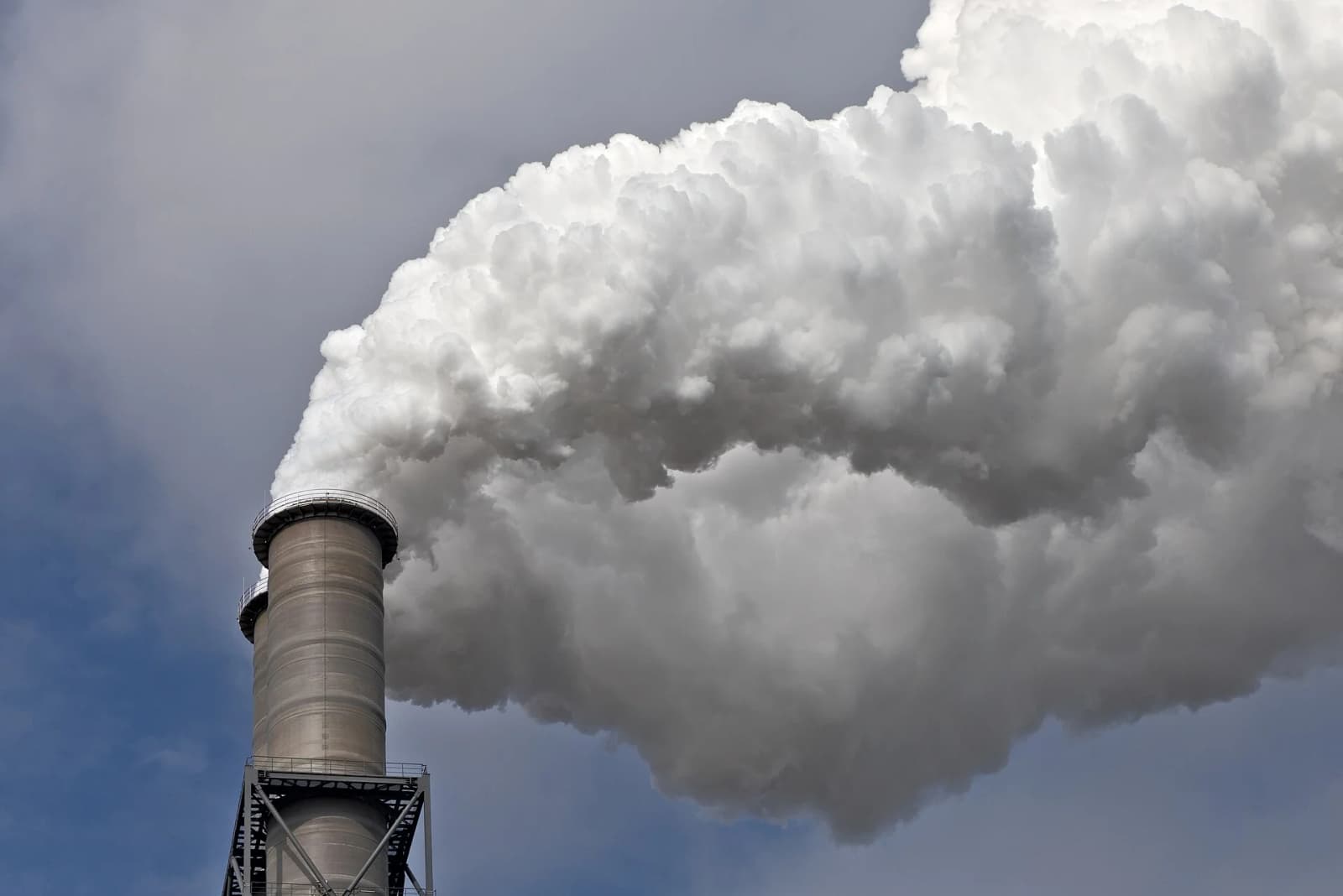
A climate agreement that cannot name coal, oil and gas sends a weak signal to the markets, utilities and lenders that decide where money goes. The COP28 consensus reached in the UAE first called on countries to "transition away" from fossil fuels, and the Antalya draft still recalled it, NBC reported. Not repeating that commitment, at a time when the 1.5°C goal is acknowledged to be slipping, risks looking like a step backwards. For small island states such as the Marshall Islands, this is not an abstract drafting fight. Their survival is at stake.
The strongest case on the other side
The opposing view deserves to be taken seriously, and it is not simply a defence of oil interests. NBC reported that Saudi Arabia, Russia and India resisted fossil-fuel language over the financial risk to economies that rely on these fuels. India's environment minister Bhupender Yadav argued, as Scroll reported, that historical and continuing emissions have used up a disproportionate share of the global carbon budget. He said India worked with other developing countries for a balanced outcome on equity, climate finance and adaptation.
That argument has real force. Developing countries are, in effect, being asked to change course faster than rich nations did when they industrialised, and the finance to help them do so remains contested. The UN's own account notes that the African Group, speaking through Ghana, pointed to shortcomings on finance, loss and damage and a just transition, while choosing not to block consensus. If a phase-out line only tells developing nations what to give up, and says nothing about who pays, it will keep failing.
What COP32 should do differently
The way forward is to stop treating ambition and fairness as rival demands. Governments heading to COP32 in Addis Ababa, Ethiopia, where UN News says the unresolved issues will return, should negotiate the language on moving away from fossil fuels together with clear, measurable finance commitments and different timelines for countries at different stages of development. Wealthy emitters that want stronger words should come with stronger cheques. Developing countries that want fairness should accept a clear direction of travel.
India also has a constructive role to play. Yadav said India remained committed to dialogue and constructive engagement. Backing that commitment with a clear, open account of its own clean-energy plans would let India argue for equity from a position of trust, rather than be seen as standing in the way.
Scroll noted that the 2009 Copenhagen summit also ended in failure, and the Paris Agreement followed six years later. Antalya need not be the end of the road, but the planet cannot afford another six-year wait.
Photo source · Mozzihh, CC BY-SA 4.0