This is a MapMyTimes opinion piece. It responds to the collapse of the United Nations climate summit, COP31, in Antalya, Türkiye, on 22 November 2026, when negotiators failed to adopt an overarching agreement after talks ran almost two days past their scheduled close, as MapMyTimes reported. Our view is that the failure was less about a single missing phrase than about a broken bargain between ambition and money, and that the year before the next summit must be spent repairing that bargain.
What went wrong in Antalya
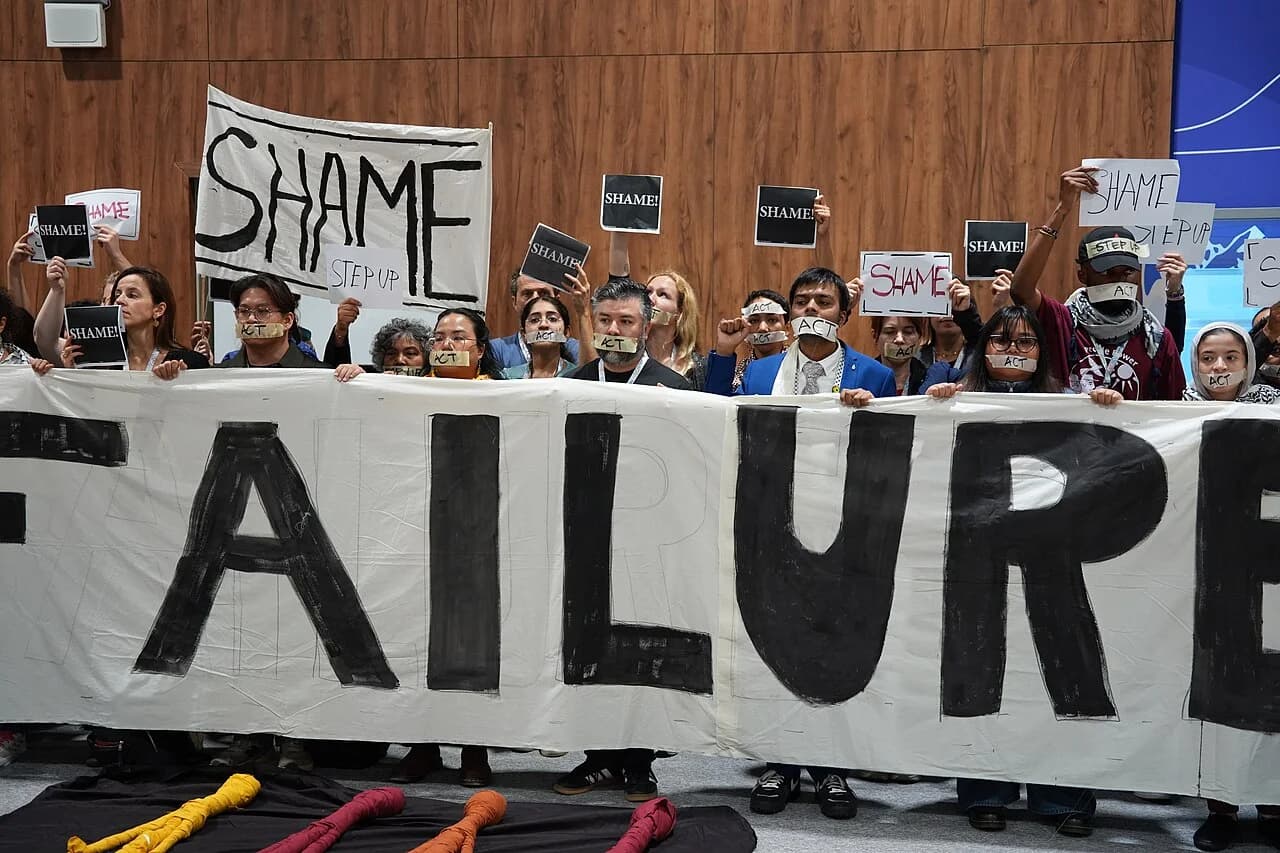
The facts, as reported by international news organisations, are stark. The European Union, the United Kingdom, Panama and small island states such as Tuvalu rejected the hosts' final text because it did not mention fossil fuels and referred only to the 2023 Dubai outcome. Speaking for the EU, Ireland's minister Darragh O'Brien called a deal without that reference "unconscionable". COP31 President Murat Kurum said there would be no new text, and Australia's Chris Bowen, the president of negotiations, named fossil fuels and climate finance as the dealbreakers. Reports describe it as the first summit since Copenhagen in 2009 to end without a comprehensive deal, and the longest on record. The United States sent no delegation.
Money was the quieter fault line. Developing countries estimated their climate finance needs at $5.1 trillion to $6.8 trillion through 2030, and criticised the draft's call to at least triple adaptation finance by 2035 for lacking a clear baseline, according to a FOX Business report. Small islands and campaigners also objected to the text's emphasis on carbon capture, which oil producers including Saudi Arabia had backed.
The strongest case for the deal that was rejected
There is a serious argument that rejecting the text was a mistake. It would, for the first time, have acknowledged that the world is projected to overshoot its temperature target. It set a goal of raising electricity's share of final energy use to 35 per cent by 2035, proposed capturing at least 500 million tonnes of carbon dioxide a year by 2035, and called for tripling adaptation finance. China and India both raised objections but accepted the text to keep the process moving, reports said. On this view, a flawed consensus that keeps every country at the table is worth more than a principled walkout that leaves vulnerable nations with nothing new, and the hosts said smaller pledges on geothermal energy and greener freight corridors still went ahead.
That argument deserves respect, especially from India, whose Environment Minister Bhupender Yadav told the summit on 18 November that developing countries cannot be asked to choose between climate action and development, that equitable access to the remaining carbon budget is "non-negotiable", and that COP31's success must be judged by tangible implementation.
Why words without money did not work
Yet both sides of the Antalya split were, in effect, asking for one half of a bargain without paying for the other. Countries that want fossil fuels named in the text have not matched that demand with finance on the scale developing nations say they need, and campaigners such as Oxfam said no real money was on the table. Countries that resisted the language left the most exposed states facing an acknowledged overshoot with little new support. Neither position, on its own, lowers emissions or protects a coastal village.
It is also worth remembering what the collapse does not do. Obligations from earlier summits and the Paris Agreement remain in force, as reports noted. Failing to agree on a cover decision is a political setback, not a legal unravelling.
What should happen before the next summit
The next conference, COP32, is due to be held in Ethiopia. The months before it are a chance to do quietly what Antalya could not do in public: agree on a clear baseline and timetable for adaptation finance, and link it explicitly to a credible, differentiated path away from fossil fuels that respects the development needs India has stressed. India, which accepted the Antalya text while defending equity, is well placed to help build that bridge. A summit that pairs a promise on fuels with a promise on money would be harder to reject from either side. That, rather than a better-worded communiqué, is what the world now needs.