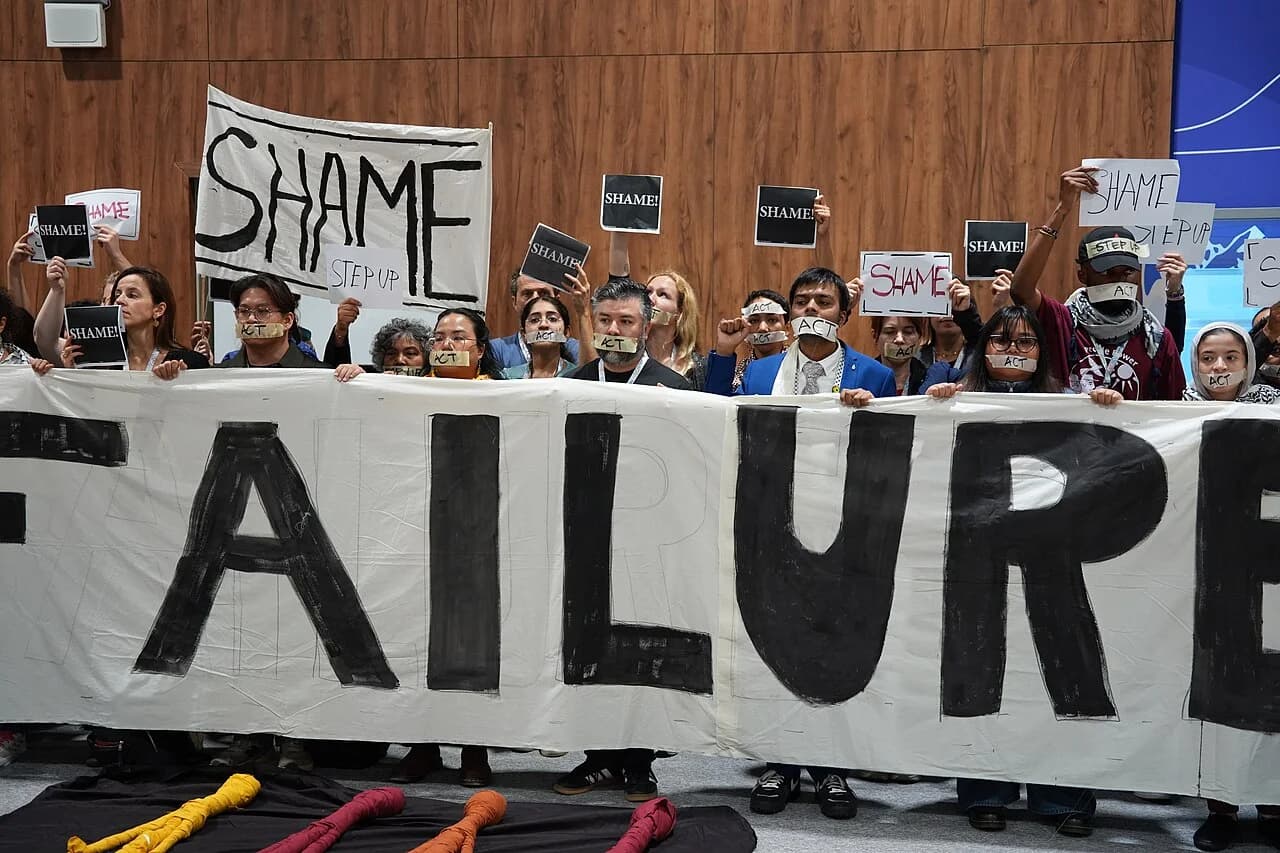
The United Nations climate summit in Antalya, Turkey, ended on 22 November 2026 without an overarching agreement, after negotiators from nearly 200 countries failed to settle a dispute over whether the final text should mention fossil fuels. COP31 President Murat Kurum, Turkey's environment minister, closed the talks more than 49 hours after their scheduled finish, AFP reported, calling it the longest climate summit on record.
The collapse makes COP31 the first annual UN climate conference since Copenhagen in 2009 to end without an overarching deal, according to Fox Business.
Why did COP31 fail?
The talks broke down over fossil fuel language. The first draft of the cover decision, released on 16 November, included references to fossil fuels, but both were removed from a slimmed-down draft published on 19 November. That later text referred only to the outcome of the 2023 Dubai summit and did not name coal, oil or gas.
The European Union and several other countries refused to back it. Darragh O'Brien, Ireland's climate minister, speaking for the EU, said: "We will not accept a COP that greenwashes fossil fuel." Panama, Vanuatu and the Marshall Islands also objected, according to AFP. Oil-producing states blocked any reference to phasing out fossil fuels, with Saudi Arabia and the EU clashing over the pace of the shift.
Saudi negotiator Mohammad Ayoub defended his country's stance, saying: "We believe that climate change requires all solutions on the table."
What was left out
With the cover decision gone, several proposals fell with it:
- A $120 billion goal for helping developing countries adapt to climate change, which had already been dropped from the 19 November draft.
- A target, proposed by Turkey, to raise electricity to 35% of global final energy use by 2035, up from about 23% today.
- A carbon capture goal of at least 500 million tonnes of CO2 a year by 2035, which critics said could give the fossil fuel industry cover to keep expanding.
Separately, Russia blocked a plan on Action for Climate Empowerment and the African group held up a decision on long-term finance, Fox Business reported. The draft had cited developing countries' climate finance needs at $5.1 trillion to $6.8 trillion up to 2030.
How leaders reacted
Chris Bowen, Australia's climate minister and COP31 president of negotiations, told delegates: "Unfortunately, we were unable to reach agreement on a cover decision," citing "unbridgeable red lines." Kurum told the closing plenary: "There will be no new text from now on."
UN climate chief Simon Stiell said: "It certainly fell short today," adding that "the world cannot afford a repeat." UN Secretary-General António Guterres expressed "deep dismay" at the outcome. Former US Vice President Al Gore called it "outrageous that a handful of petrostates have veto power over any mention of fossil fuels."
Guterres raised the failure again as he opened a separate AI safety summit in Barbados on 23 November.
Why it matters
Turkey and Australia shared leadership of COP31 under an unusual arrangement. Its failure leaves the fossil fuel question unresolved within the UN process. Some countries are already working outside the UN process: around 60 nations took part in a first-of-its-kind conference in April on phasing out fossil fuels, and several have published their own exit plans, AFP noted.
The talks took place as wars and rising living costs compete for governments' attention.
Photo source · Xuthoria, CC BY-SA 4.0