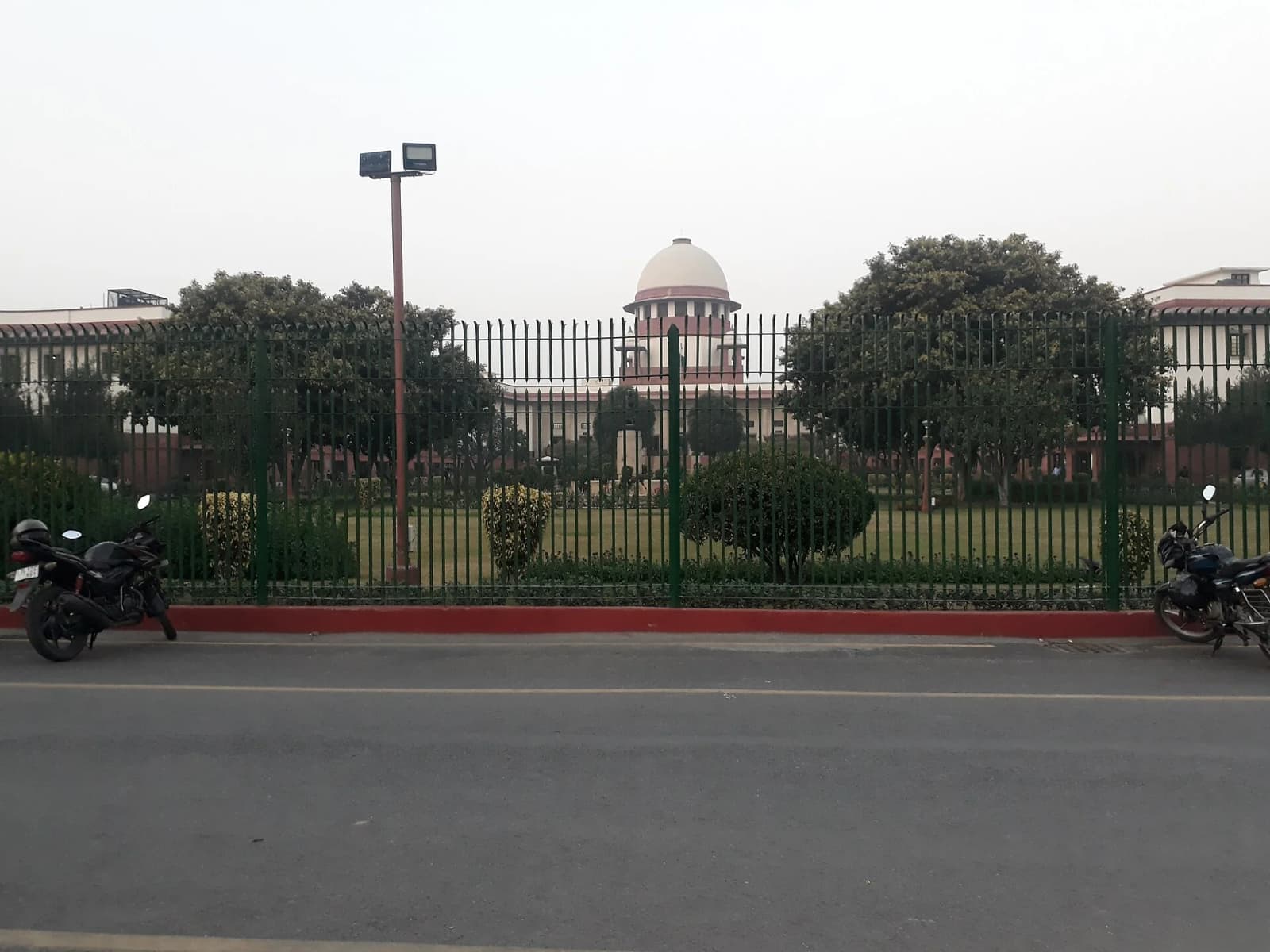
This is a MapMyTimes opinion piece. It responds to the Supreme Court of India's order of 23 November 2026, reported on 28 November 2026, in which a bench led by Chief Justice Surya Kant asked the Centre and the states to consider barring private persons from selling acid at retail. MapMyTimes reported the order in detail; here we set out our view on what governments should do with it.
What has the Supreme Court asked for?
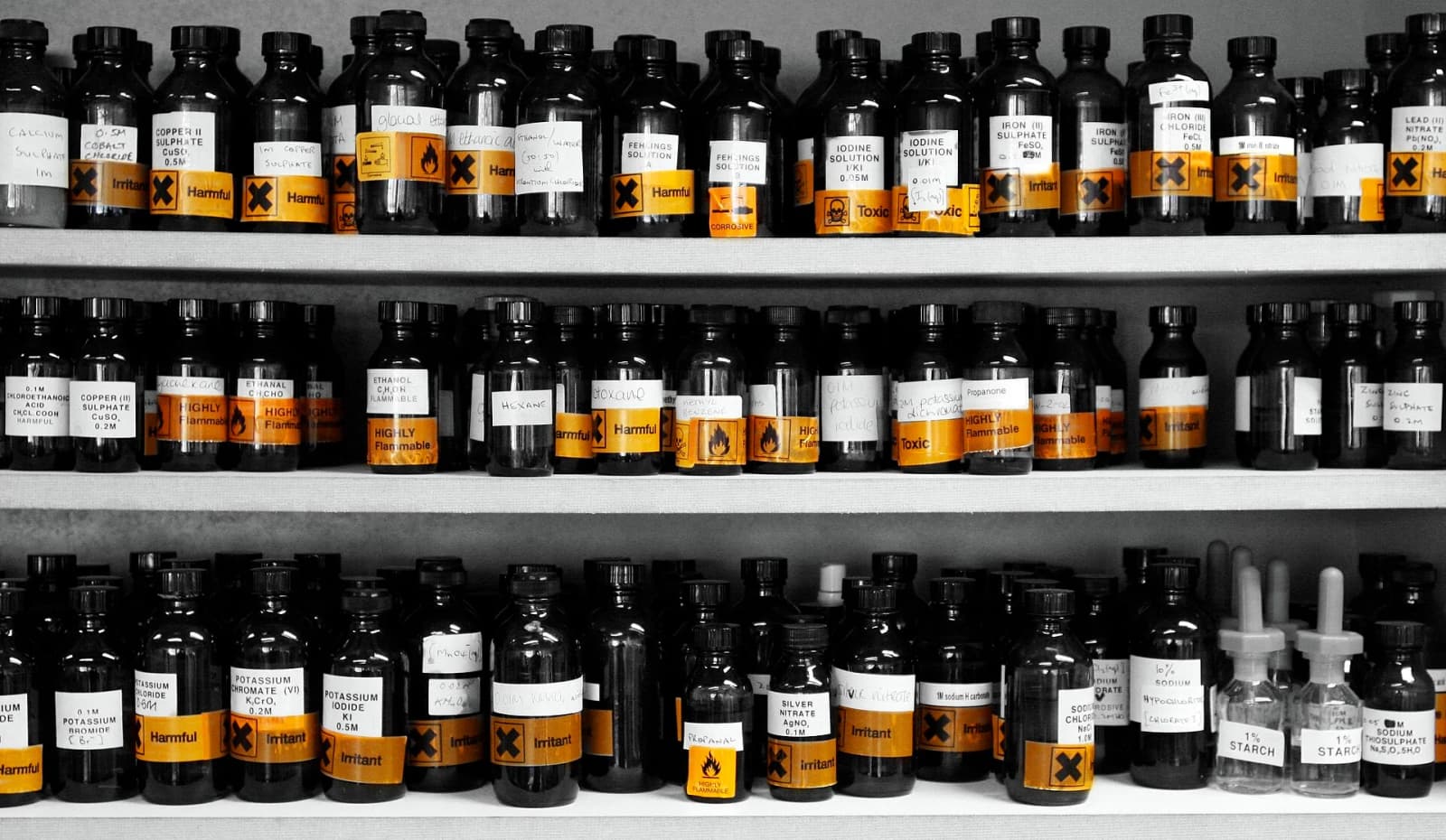
The court has asked governments to consider a law or rules under which retail sale of acid by private persons, including online and doorstep delivery, would be completely barred, according to LawChakra's report of the order. Medical sales would be allowed only through pharmacies attached to government hospitals, with prior written approval from the Chief Medical Officer or Civil Surgeon. Every permitted sale would be logged with the buyer's photo identity, quantity, purpose and address, and the buyer would be liable for misuse, including misuse by someone else "with or without the buyer's knowledge." The order is advisory: nothing changes until the Centre or a state legislates or frames rules.
Why the court lost patience
The case was brought by Shaheen Malik, who was attacked with acid in 2009 and argued her petition in person. LawBeat reported that the court called the 15-year delay in her case "a mockery of the legal system," and that her trial is still at the final-arguments stage. At an earlier hearing on 31 August 2026, the bench said the 2013 sale guidelines had "more or less become obsolete," The Pioneer reported, and a volunteer survey placed before it found acid could still be bought with "virtually no regulatory supervision." On 27 October 2026, Chief Justice Kant said that "if incidents are rising, that means the policy has miserably failed," according to LiveLaw.
That is the central fact. Rules on paper have existed for over a decade; the shelves did not change. A survivor who has waited 15 years for a verdict should not also have to wait for regulators to notice that a corrosive weapon is still sold like a cleaning product.
The strongest case against a blanket ban
The opposing argument deserves a fair hearing. At the October hearing, the Union government's counsel said detailed guidelines restricting retail sale had already been issued to states and Union Territories, and that the problem was implementation. If existing rules were not enforced, critics can reasonably ask why a stricter ban would be. A total ban could push sales into informal channels that leave no records at all. Making a buyer liable for misuse by another person, even without their knowledge, and linking a purchase form to their property, may also strike many as disproportionate for honest users such as small workshops and laboratories. These concerns are serious and should shape the final rules.
A ban that can actually be enforced
MapMyTimes believes the court is right on the direction, and the objections point to how it should be done, not whether. The bench itself suggested a sensible method in October: identify every purpose for which retail acid was permitted, ask experts whether substitutes exist, and keep tightly controlled sales only where acid is indispensable. During the August hearing, senior advocate Saurabh Kirpal acknowledged that industry needs acid but argued that household uses could largely be met by cleaning products already on the market.
Governments should follow that path with four steps. First, publish a list of permitted uses and licensed sellers, so that anything outside it is plainly illegal. Second, build the transaction tracking the bench discussed, so that sales leave a trail. Third, name the officers responsible for enforcement in each district, as the court asked when it questioned where accountability lay. Fourth, frame buyer liability carefully so that it deters careless resale without punishing people who took reasonable care.
None of this replaces faster trials and proper care for survivors, which the court has also pressed for. But a ban that is clearly written, narrowly targeted and actually enforced is the best tribute the Centre and the states can offer to people like Shaheen Malik, who should never have had to fight this long.
Photo source · CGP Grey, CC BY 2.0