Lok Sabha Speaker Om Birla on 22 November 2026 called for a sustained people's movement to clean the Yamuna and keep the river flowing without interruption, saying government efforts alone will not be enough without active public participation. He was speaking at a national campaign for the conservation of the Yamuna at Bharat Mandapam in New Delhi, where he also administered a pledge (sankalp) to participants to work for a clean river, according to a release issued by the Press Information Bureau.
What did Om Birla ask citizens and industry to do?
He asked citizens, institutions, industry and social organisations to treat river conservation as a shared responsibility. Birla said every member of society must help keep the Yamuna and its banks clean and make sure that everyday conduct does not add to pollution, describing this as a collective moral duty. Conservation drives, he said, gain strength and last longer when they become a "Jan Andolan" (people's movement) backed by all sections of society.
Addressing industry directly, the Speaker said industries are an important foundation of development but their growth must not come at the cost of the environment. He stressed the need for scientific treatment and effective systems to stop sewage and industrial waste from entering rivers, adding that development, environmental protection and water conservation must move forward together.
Who organised the event?
The campaign, titled the National Campaign of Conservation and Public Resolution for River Maa Yamuna Ji, was organised by the Yamuna Parivar Council, according to a post by Birla on X that is reproduced in the PIB release. In his address, Birla praised spiritual leader Swami Chidanand Saraswati for initiatives that mobilise people for river conservation, water conservation and tree planting, and acknowledged young volunteers working for the Ganga and the Yamuna.
Lifestyle changes and lessons from the pandemic
Birla underlined the importance of environment-friendly lifestyles, recalling Prime Minister Narendra Modi's appeal for responsible individual and collective action. He referred to the 'Ek Ped Maa Ke Naam' tree-planting initiative and encouraged people to take part in efforts that promote greenery and conserve water. Lasting improvement, he said, needs changes in habits and behaviour alongside institutional measures.
Recalling what he described as a relative improvement in river cleanliness during the COVID period, Birla urged society to reflect on the impact of human activity and accept responsibility for preventing pollution. He also called for comprehensive measures for river conservation, prevention of erosion and protection of water resources, noting that the Yamuna supports lives and livelihoods across several states.
Why does the Yamuna matter beyond Delhi?
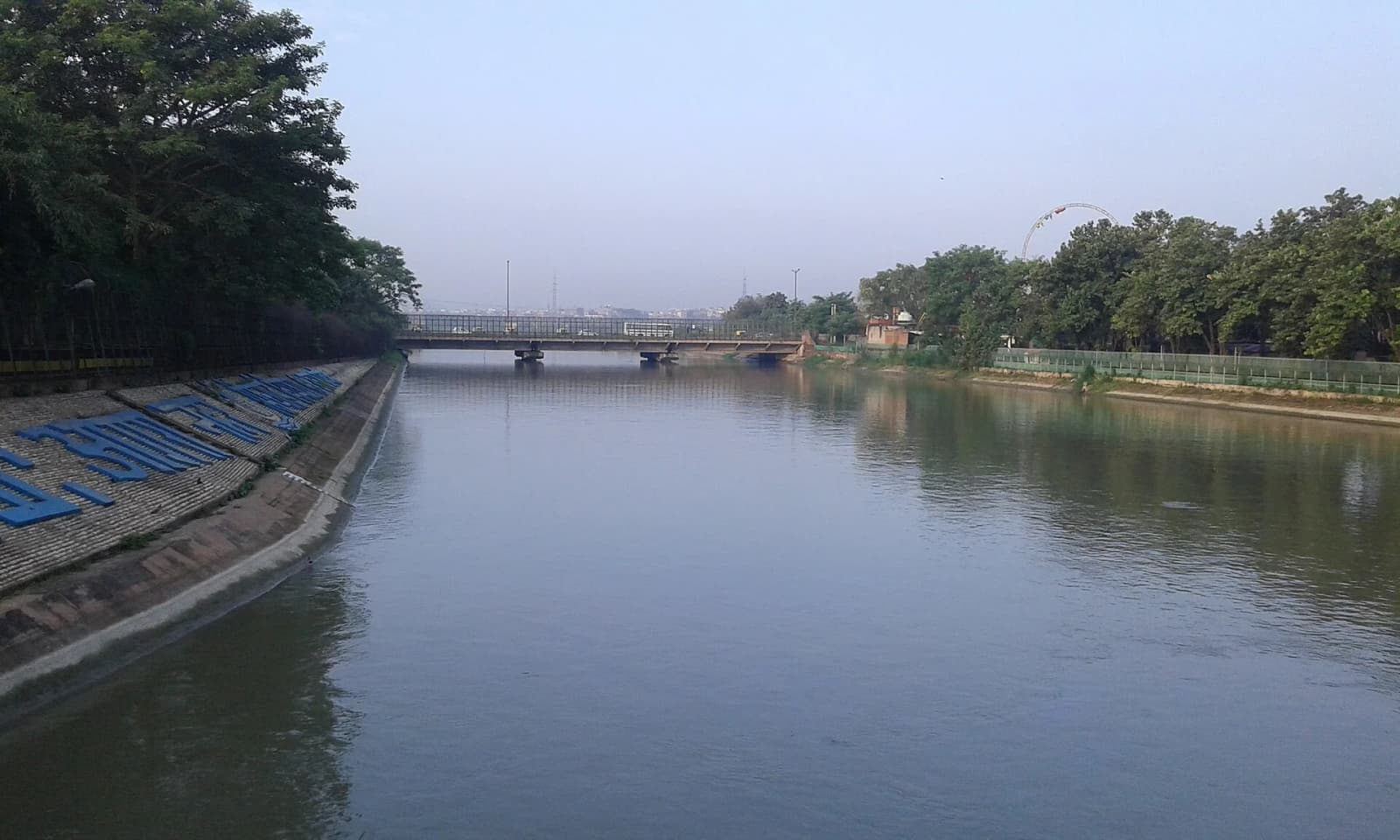
The river matters to a large part of north India for farming, livelihoods and water security, Birla said in a post quoted in the release, which describes the Yamuna as flowing from Yamunotri to Prayagraj. In his speech he also pointed to the river's association with Mathura, Vrindavan and the traditions of Lord Krishna, saying that the reverence people feel for it must turn into practical and sustained action wherever it flows.
The Speaker linked the issue to the well-being of future generations, saying clean rivers and a healthy environment are essential for them. He described climate change as a shared global challenge and said India, guided by the idea of Vasudhaiva Kutumbakam, has a responsibility to help find collective solutions and lead on environmental protection.
What happens next?
The PIB release does not announce any new government scheme, funding or deadline for cleaning the Yamuna. The event centred on a public pledge and on Birla's appeal for community participation, and he expressed confidence in his post that collective resolve and continuous effort can keep the river clean and flowing. How that appeal translates into on-the-ground action by civic bodies, industry and residents along the river remains to be seen.
Photo source · Sidheeq, CC BY-SA 4.0