Pune-based start-up olee.space has won a contract from the Defence Research and Development Organisation (DRDO) to design and develop a laser-based communication system that links drones in flight with ground stations, according to reports published on 23 and 24 November 2026. The value of the contract has not been disclosed, and DRDO has not named the laboratory or programme involved.
What will olee.space build?
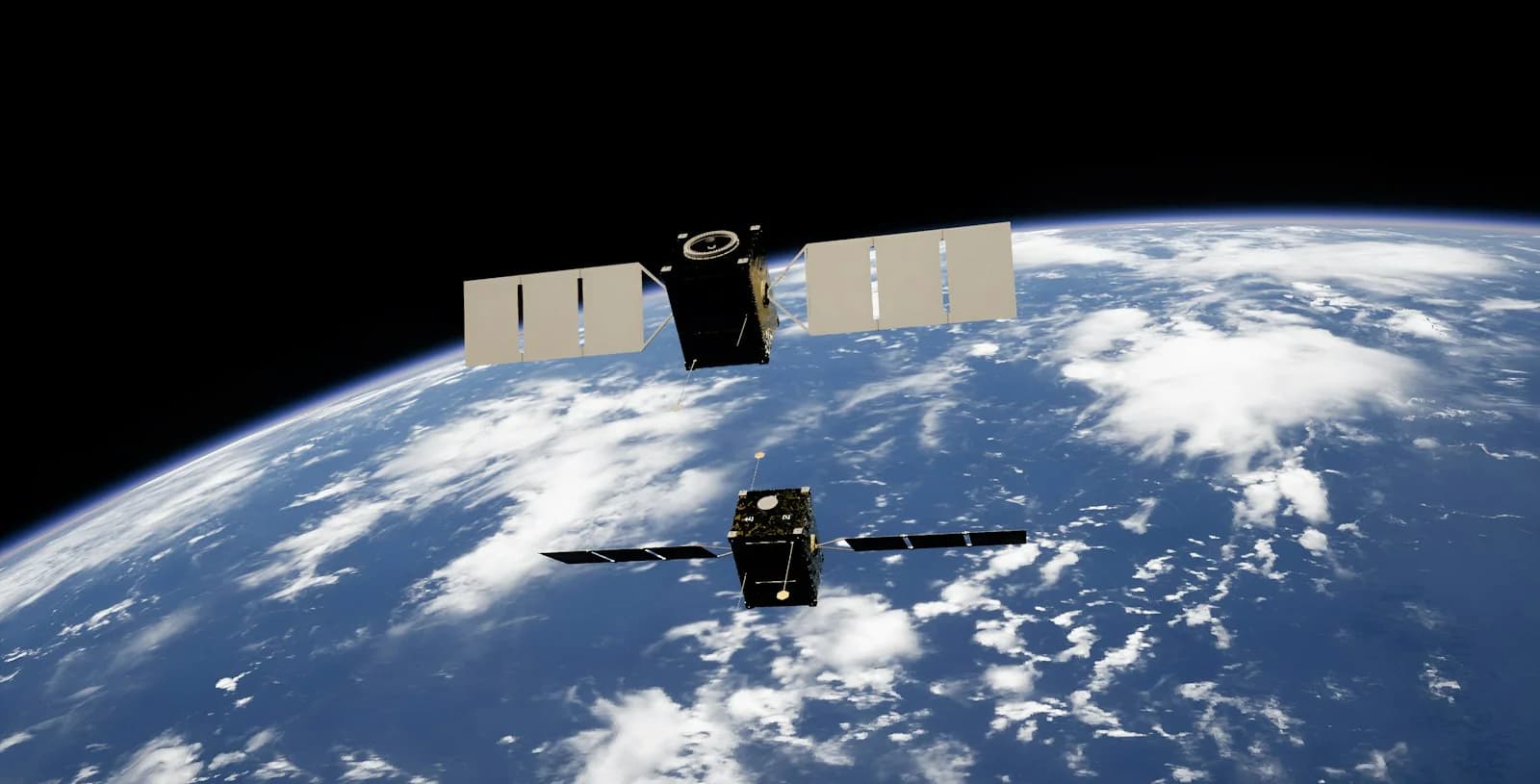
The company is to develop, entirely in India, a pair of free-space optical communication (FSOC) terminals: one on the ground and one carried on a drone. Free-space optical communication sends data through the open air on a narrow beam of infrared light instead of radio waves. According to StartupTalky, the system pairs a tripod-mounted ground terminal with a small optical payload on the drone, and both terminals will have automatic Pointing, Acquisition and Tracking (PAT) so that the beam stays locked as the aircraft moves. The link is meant to carry data in both directions over long line-of-sight distances, and the work is to be completed within 18 months.
Why use lasers instead of radio?
Laser links offer a route for data where radio signals can be disrupted by electronic warfare or jamming, according to Sahyadri Startups. They also avoid the physical limits of drones tethered by fibre-optic cable. Reports note the trade-offs as well: laser links need a clear line of sight and are sensitive to fog, heavy rain, dust and air turbulence, while their range depends on visibility, terrain and alignment.
The hardest part, according to co-founder James Solomon, is keeping laser contact with a drone that is moving. He was quoted as saying olee.space is among a handful of organisations worldwide working on this capability and that the project began about a year ago. In a LinkedIn post cited by Sahyadri Startups, Mr Solomon said the company had tested its fine-pointing system over distance in real atmospheric conditions before winning the contract.
Who is behind olee.space?
olee.space was co-founded by James Solomon, its chief executive, and Suman Hiremath, its chief operating officer, according to the portfolio listing of investor Rockstud Capital cited by Sahyadri Startups. IIMA Ventures is also named as an investor. The company's website lists 11 patent applications in photonics, optical control and beam delivery, the report said, and the business is registered in Baner, Pune.
What is confirmed and what is not?
The award of the DRDO contract, the scope of the ground and airborne terminals and the 18-month timeline have been reported by multiple outlets based on the company's statements. The contract's value, the specific DRDO laboratory and any delivery or testing milestones have not been made public. MapMyTimes could not find an official DRDO statement on the award at the time of writing.
What happens next?
Over the next 18 months olee.space is expected to build and demonstrate the terminals for DRDO. If the system works as described, it could give Indian drones a communication link that is harder to jam than radio, a capability the company says only a small number of organisations worldwide are developing.