Federal investigators have recovered the voyage data recorder from the tanker Atlantic Asphalt, which slammed into a docked river cruise ship on the Mississippi River at New Orleans on Friday, as officials on Saturday, 14 November, laid out a salvage effort they said would stretch over weeks rather than days.
The National Transportation Safety Board (NTSB) said at a Saturday news conference that its inquiry was still at an early stage and that no conclusions had been reached. All of the roughly 191 passengers and crew on board the American Cruise Lines vessel American Heritage survived, but eight people were still in hospital on Saturday, two of them in serious condition, according to reports from Fox News and WDSU.
What happened on Friday
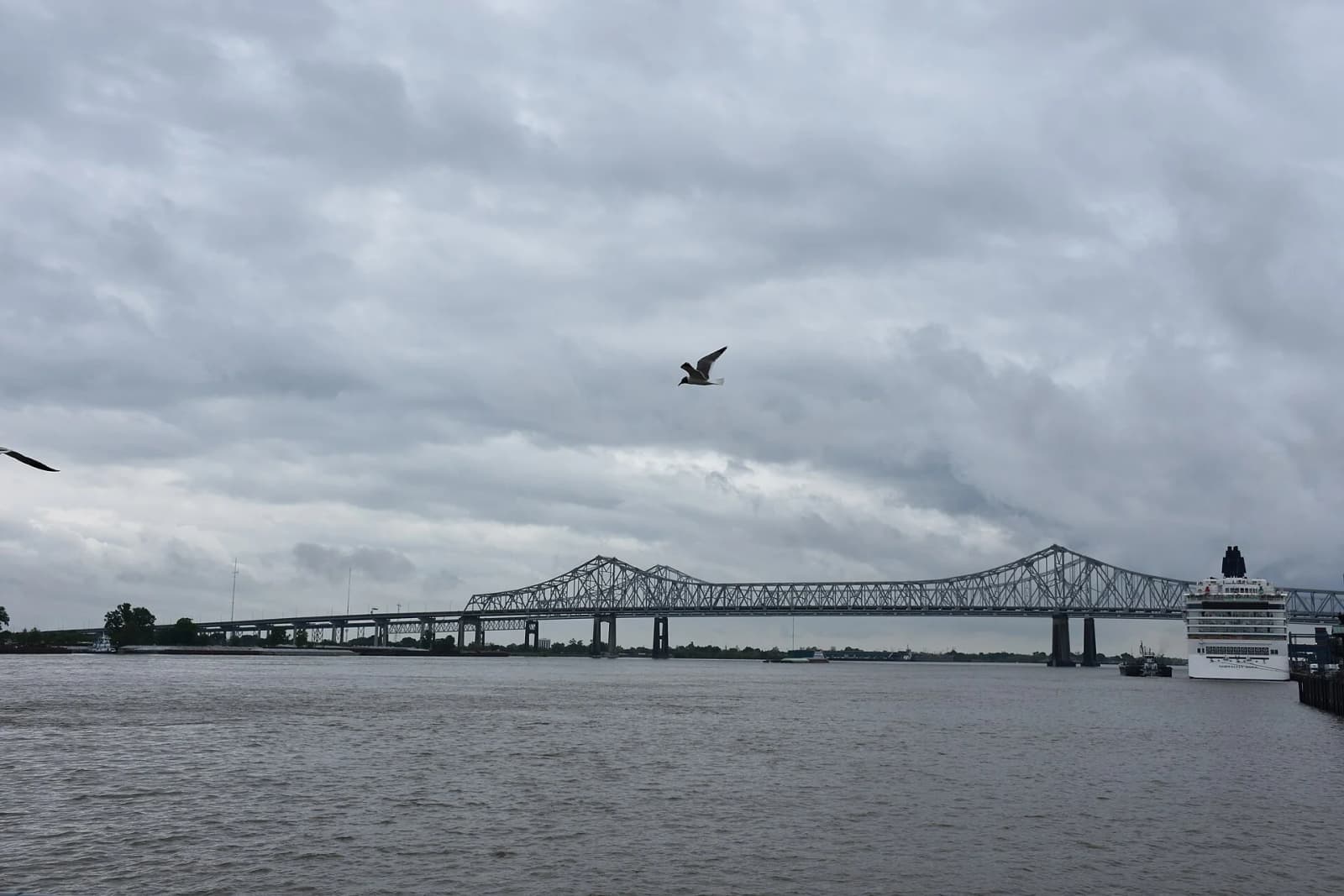
The Atlantic Asphalt struck the American Heritage at about 12:30 pm local time on 13 November, according to Port NOLA. The riverboat had tied up near the Port of New Orleans about two hours earlier and had begun letting passengers off. The site lies near the Crescent City Connection bridge, on the New Orleans side of the river.
The cruise ship took on water and rolled over. Harbor Police Chief Melanie Montro estimated that it capsized 30 to 45 minutes after the impact, though the exact sequence is under investigation. Montro said responders got more than 80 people off before the vessel overturned, while about 100 people ended up in the water. Mayor Helena Moreno said roughly 100 people were pulled from the river.
LCMC Health treated 32 injured passengers, WDSU reported. Officials credited life jackets, quick work by emergency crews and help from nearby vessels for the fact that nobody died.
What the investigators are looking at
The recovered recorder captures the tanker's speed, course and audio from its bridge. NTSB board member John DeLeeuw said investigators would examine the Atlantic Asphalt's maintenance records and mechanical history. A possible steering problem on the tanker is among the issues being examined, but the cause of the collision remains unknown.
Sixteen NTSB investigators are on scene. They are preparing to interview crew members and others involved, and the agency has asked anyone with video of the collision to send it to witness@ntsb.gov. Investigators expect to remain on site for about a week.
Coast Guard Capt. Melanie Burnham said she had no indication that the collision was linked to terrorism, although investigators continue to look at that possibility.
Fuel removal and salvage
Burnham said crews were getting ready to pump about 16,000 gallons of fuel out of the American Heritage before salvage work begins. Divers will assess the wreck, and pollution response teams are watching for leaks. So far, she said, crews have not seen any product in the river that needed to be cleaned up, but hazardous material could still escape.
The tanker has been moved away from the collision site. The Coast Guard has partly reopened the river to traffic, with a 500-foot safety zone kept around the wreck. Reports differed on the details: Fox News said two-way traffic had partially resumed, while WDSU reported one-way traffic between mile markers 95.5 and 96.5.
Legal action and the captain
Hours after the crash, the Port of New Orleans went to court to secure the seizure of the Atlantic Asphalt, which the lawsuit says is owned and managed by a company based in Liberia, CNN reported.
Moreno said the injured captain at first refused medical treatment and was the last person to leave the ship. American Cruise Lines praised Captain Leonard Stewart and his crew for a rapid evacuation, saying he stayed on the bridge as the vessel capsized, calling for help and keeping the ship against the dock as long as he could. The company said it is helping displaced passengers.
Why it matters and what comes next
The crash disrupted traffic on one of the busiest stretches of the Mississippi and has raised questions about how a large tanker could strike a moored passenger vessel at a city dock. The NTSB expects to publish a preliminary report in about 30 days. A final report setting out the probable cause and any safety recommendations is likely to take 18 to 24 months.
PS · MusikAnimal, CC BY-SA 4.0