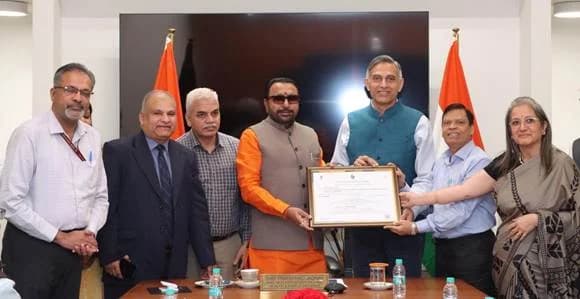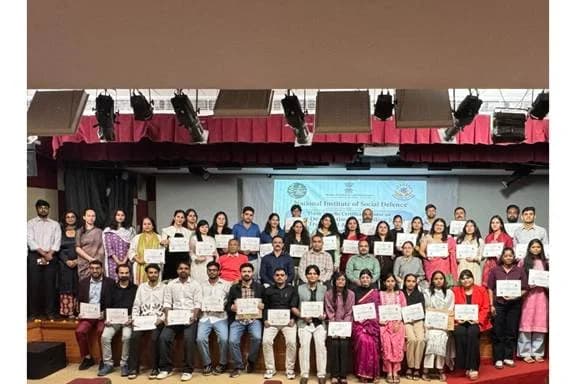
Fifty-one people completed a three-month government certificate course in drug de-addiction, counselling, treatment and rehabilitation at the National Institute of Social Defence (NISD) in New Delhi, and received their certificates at a valedictory ceremony on 20 November 2026. The course was the first batch for the 2026–27 academic year, run by the National Centre for Drug Abuse Prevention (NCDAP) under NISD, which is part of the Union Ministry of Social Justice and Empowerment, the ministry said in a release issued through the Press Information Bureau.
NISD Director Gaurav Singh Rajawat handed the certificates to the participants who passed, according to the release.
What did the course teach?
The course trained participants in the knowledge and practical skills needed to work in drug de-addiction, treatment, counselling and rehabilitation, a senior ministry official was quoted as saying. Its stated aim is to strengthen their ability to help prevent and treat substance use disorders.
The programme began in the first week of August 2026. It was split into two parts:
- Two months of classroom teaching at NISD, with sessions taken by subject experts from the All India Institute of Medical Sciences (AIIMS), Delhi University and other institutions.
- Five weeks of field training at the National Drug Dependence Treatment Centre (NDDTC) of AIIMS and at de-addiction centres run under the ministry's National Action Plan for Drug Demand Reduction (NAPDDR).
The final examination was held on 17 November 2026, three days before the certificate ceremony, the official said.
Why is the government training de-addiction counsellors?
The government wants a larger pool of trained professionals who can take part in the national response to substance use disorders, according to the release. The official said the course is meant to improve the availability and quality of de-addiction, counselling, treatment and rehabilitation services across the country, as part of the government's efforts towards a drug-free society.
The ceremony came a day after Prime Minister Narendra Modi, speaking at a social justice summit, called for the Nasha Mukt Bharat (drug-free India) campaign to become a whole-of-nation effort. Trained counsellors and rehabilitation workers are the people who staff the de-addiction centres such campaigns depend on.
What is not yet known
The release did not say where the 51 participants will work after the course, what their professional backgrounds are, or how many seats the next batch will offer. It also did not give a date for the next intake. Its description of this group as the "first batch" of 2026–27 suggests more batches are planned during the academic year, but the ministry has not announced details.
Why it matters
De-addiction care depends heavily on counsellors and rehabilitation staff, not only doctors. A structured course that pairs classroom teaching by AIIMS and university experts with supervised field work at treatment centres is one way the ministry is trying to build that workforce, and the release presents this batch as part of a continuing programme.