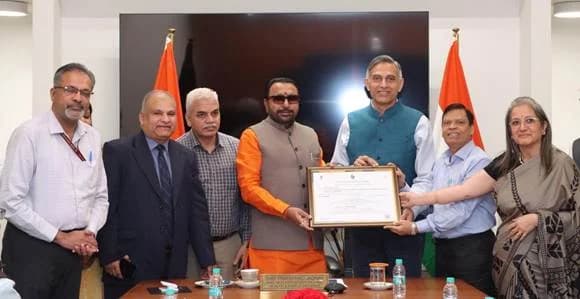
Union Minister Dr Jitendra Singh said on 20 November 2026 that more than a dozen diabetes-related research projects are under way under the Ministry of Science and Technology, and warned against the unprescribed use of weight-loss drugs and misleading diet advice. He was speaking at the inaugural ceremony of RSSDI 2026, a diabetes conference being held in Bengaluru, Karnataka, from 19 to 22 November, according to a statement issued by the Press Information Bureau (PIB).
What research is the government funding on diabetes?
Most of the projects are being run through the Department of Biotechnology (DBT), with some under the Council of Scientific and Industrial Research (CSIR), the minister said. He said the work is increasingly aimed at preventing and controlling diabetes through molecular and genetic approaches.
Among the studies he listed:
- An Indo-Danish study of India-specific changes in gut bacteria among people with prediabetes and diabetes.
- A DBT-supported project on a genetically engineered strain of E. coli Nissle 1917 that can produce GLP-1, which could be developed into a probiotic-style way of delivering the therapy through the gut. Human studies are expected to follow.
- Work at BRIC-THSTI on expressing GLP-1 analogues in gut-associated bacteria.
- Research on interventions from before conception to early childhood to lower cardiometabolic risks, including the EINSTEIN study in rural Mysuru.
- Studies on biomarkers that may predict Type 2 diabetes in women with a history of gestational diabetes, and on the link between Type 2 diabetes and metabolic dysfunction-associated fatty liver disease.
Dr Singh also mentioned efforts to develop insulin that can better tolerate temperature changes during storage and transport, start-up research on oral insulin, and Indian-made biosimilars of liraglutide and insulin lispro.
Why did the minister warn about weight-loss drugs?
He urged doctors and scientists to actively counter misinformation about diabetes, obesity, nutrition and weight-loss treatments. He cautioned against diet advice from self-styled nutritionists, unscientific claims and the use of obesity drugs without a prescription, saying misinformation can do more harm than a lack of information.
Dr Singh said preventing obesity and diabetes among young Indians is a national responsibility rather than only a medical challenge. Citing the statistic that nearly 70 per cent of India's population is below 40, he said protecting the health of young people was a priority on the path to a developed India by 2047.
Why it matters
The remarks put official weight behind concerns over people taking newer weight-loss medicines without medical supervision. For patients, the research pipeline the minister described, including heat-stable insulin and cheaper biosimilars, points to possible future options, though none of these was announced as ready for use.
The minister also pointed to the India Genome Study, which he said covers 10,000 individuals across 84 population groups, as a resource for precision medicine suited to Indian patients.
Who else attended?
Karnataka Minister for Greater Bengaluru Development and Parliamentary Affairs Krishna Byre Gowda and Member of Parliament Dr C.N. Manjunath were among those present. The inaugural session included the presentation of fellowships and awards and the release of books and guidelines.
What happens next?
The conference continues in Bengaluru until 22 November. The minister invited closer partnerships between government research bodies, private researchers, clinicians, start-ups and medical associations. Most of the projects he listed are still at the research stage, and the statement gave no timelines for when any of them might reach patients.