Union Minister for Environment, Forest and Climate Change Bhupender Yadav on 19 November 2026 told municipal bodies in Delhi, Ghaziabad, Noida, Gurugram and Faridabad to follow a zero-tolerance approach to air pollution violations, including open burning of garbage and leaves, and to take quick penal action against those responsible. He chaired the review of the cities' Winter Action Plans virtually from Antalya in Türkiye, according to a Ministry of Environment, Forest and Climate Change release.
The minister asked for daily monitoring, clear accountability for ward-level officers and time-bound enforcement through the winter, while saying citizens should not be pushed into unnecessary panic by pollution-control measures.
What did the minister order civic bodies to do?
He asked municipal corporations to act firmly against open burning of municipal waste, dry leaves and biomass. Every ward is to have a Quick Response Team that answers complaints within hours, and officers are to be held accountable for enforcement failures. He also sought immediate steps to process all waste generated each day and faster clearing of old waste at the Bhalswa and Okhla dumpsites in Delhi.
Mayors were asked to hold regular ward-level reviews, and civic bodies to set up WhatsApp groups with named nodal officers so that grievances are settled within fixed timelines. Complaints, the minister said, should be closed only after physical verification that the problem has been fixed.
How will road and construction dust be tackled?
Road dust is to be handled through faster road repairs and more mechanical road sweeping machines, run in double shifts during winter and tracked through GPS and integrated command and control centres. Roadside dust, silt and construction debris are to be removed every day.
At construction and demolition sites, the minister asked for strict compliance with dust-control norms, working wheel-washing facilities and regular inspections, with seriously non-compliant sites liable to be closed. The stated goal is "No Visible Dust" in and around construction sites. For Gurugram, he called for advance planning of road works and greening of identified open spaces to cut PM10, the coarser particulate pollution.
Who attended and what examples were cited?
The meeting included Minister of State Kirti Vardhan Singh, Environment Secretary Narendra Bhooshan, Commission for Air Quality Management (CAQM) chairperson Rajesh Verma, Central Pollution Control Board (CPCB) chairperson Amandeep Garg, mayors, municipal commissioners and the Noida Authority chief executive. CAQM member secretary Tarun Pithode presented city-wise progress.
The minister urged cities to copy measures that have worked elsewhere in the region, such as the Municipal Corporation of Delhi's Malba App for construction debris, Faridabad's "Pothole Ambulance", Gurugram's survey to identify sanitation workers and Ghaziabad's shareable construction-waste portal.
Why it matters
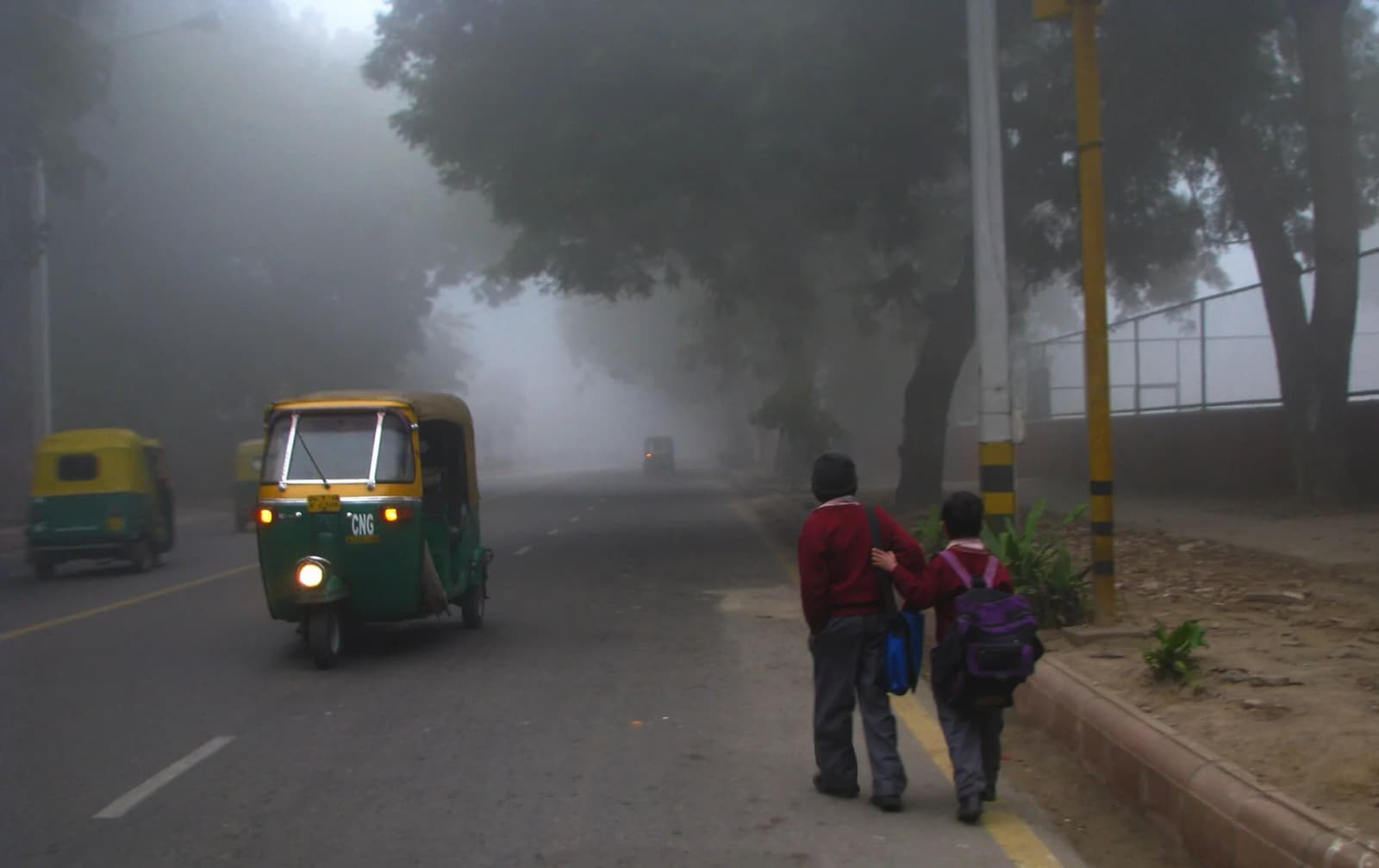
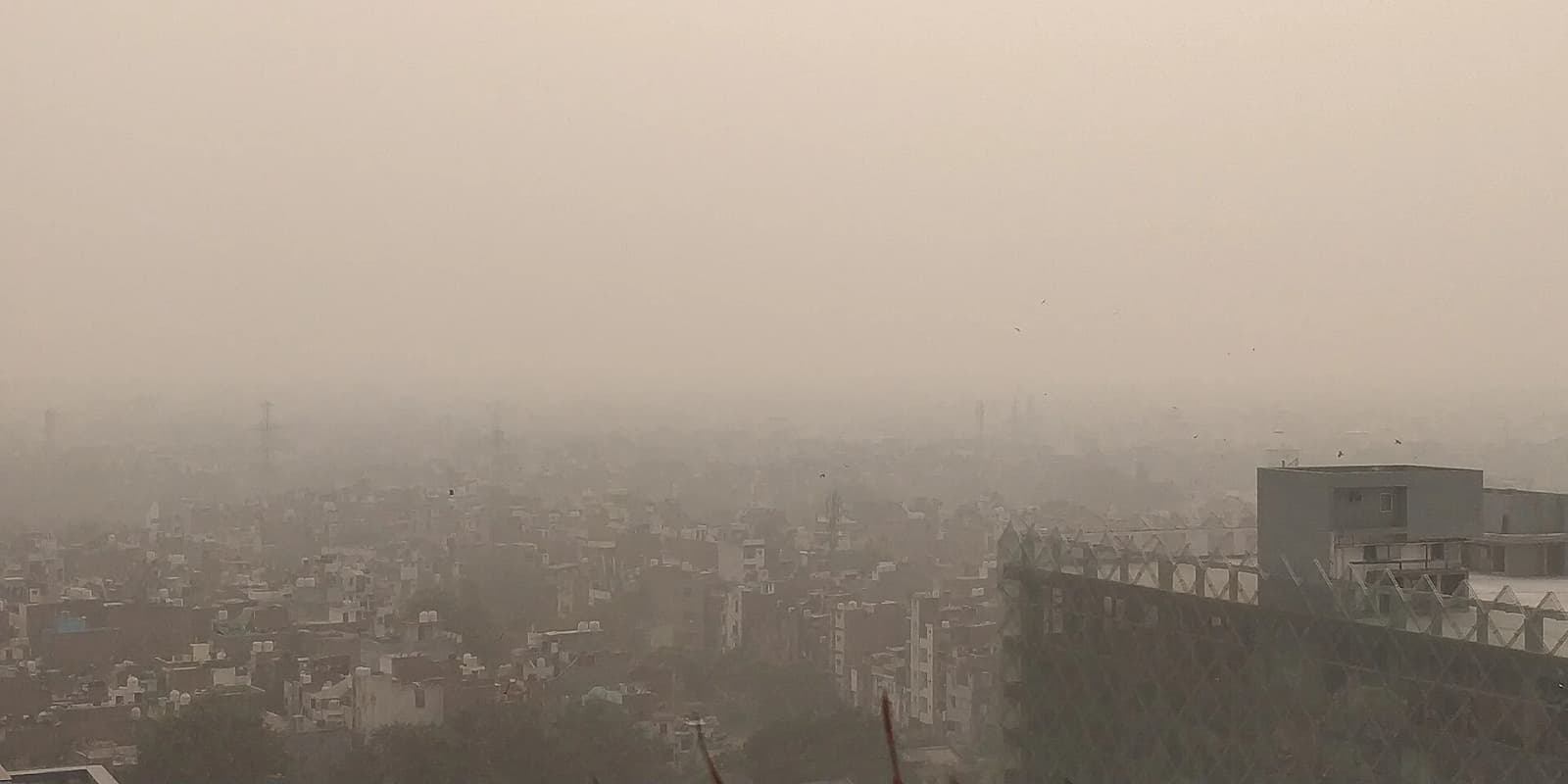
The review comes as the India Meteorological Department has warned of dense fog in Delhi and neighbouring states this week. Waste burning, road dust and building sites, the focus of this review, fall largely within the day-to-day work of municipal bodies. Earlier this week, the Road Transport Ministry also revised validity periods for vehicle pollution certificates.
Yadav asked district collectors to review municipal performance and act against lagging bodies, and told the secretaries of his ministry and the Housing and Urban Affairs Ministry, along with the CAQM and CPCB chairpersons, to review NCR municipalities. All measures under the prevailing stage of the Graded Response Action Plan (GRAP), the region's emergency pollution plan, are to be enforced "without exception".
What is confirmed and what is not
- Confirmed: the directions on waste burning, ward-level Quick Response Teams, road dust, construction sites and hotspot action plans, as listed in the official release.
- Not yet stated: deadlines for specific cities, the number of Quick Response Teams to be set up, or the size of penalties to be imposed.
What next
Each pollution hotspot is to get a dedicated nodal officer and its own action plan, reviewed regularly by mayors. The minister also called for public awareness campaigns, saying every ward must show visible action every day through the winter.
Photo source · Prami.ap90, CC BY-SA 4.0