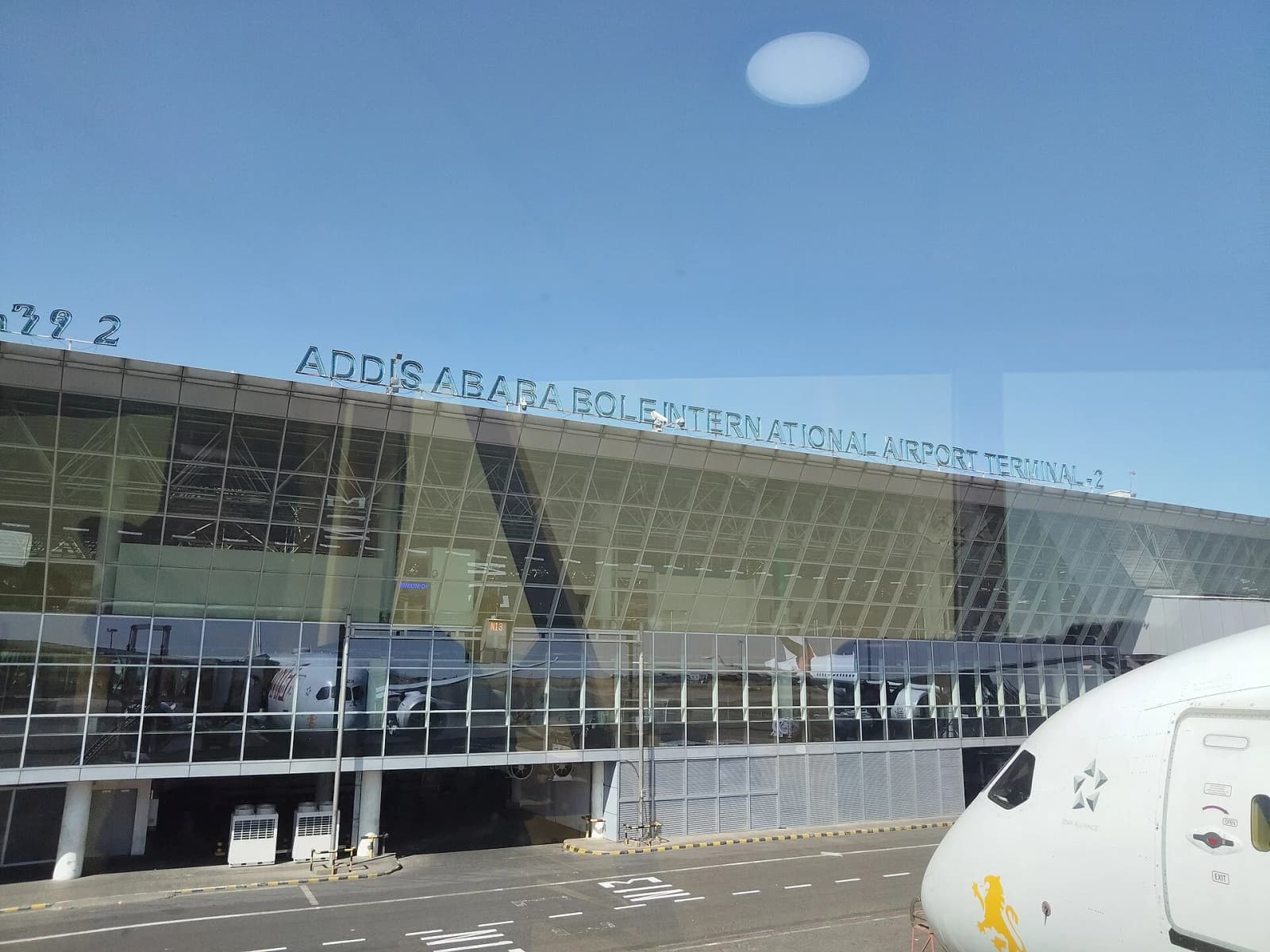
Nigeria's government has warned its citizens, especially those living with heart and lung conditions, to take extra care when flying through Addis Ababa, saying at least 16 Nigerians have died this year from complications it links to the Ethiopian capital's high altitude.
The advisory was issued by Nigeria's Ministry of Foreign Affairs in a statement on Friday, 13 November, and was widely reported by Nigerian and international media on Saturday, including Premium Times and the BBC.
What the advisory says
According to Premium Times, the ministry said the Federal Government "advises particularly those with pre-existing medical conditions to exercise caution" and to seek medical advice before planning journeys that pass through Addis Ababa. It singled out people with cardiovascular and respiratory illnesses as facing higher risk.
The ministry put the city's elevation at roughly 2,355 metres above sea level and noted that lower air pressure at that height reduces the oxygen available to the body. It said most healthy travellers are likely to adjust, but people with certain medical conditions could face serious problems.
The BBC reported that the ministry did not name the 16 travellers who died while transiting the city, and did not give the cause of their deaths.
Not a travel ban
The ministry was careful to say it was not telling Nigerians to avoid Ethiopia. Both Premium Times and the BBC reported that the statement stressed the aim was to make medically vulnerable passengers aware of the risk so they can take precautions, rather than to discourage travel or the use of Addis Ababa as a connecting point.
Why Addis Ababa matters to Nigerian travellers
Addis Ababa is among the highest capital cities in the world. Its Bole International Airport is the home base of Ethiopian Airlines, which Premium Times described as Africa's largest carrier, and the BBC described the airport as a major hub for travel between Africa, the Middle East and Asia that handles millions of passengers a year.
For many Nigerians heading to Asia, the Gulf or other parts of Africa, a connection in Addis Ababa is a routine part of the journey. That makes the advisory relevant to a large number of travellers, including older passengers and those flying for medical treatment abroad.
The health risk explained
At high altitude the air is thinner, so less oxygen reaches the bloodstream. The BBC, citing the American Heart Association, reported that this forces the heart to work harder and can, in some cases, contribute to heart failure in people who already have heart disease. Even healthy people can feel dizziness, tiredness and breathlessness, symptoms that can be more dangerous for those with lung disease.
For a passenger who only changes planes, the time spent at altitude may be short, but the ministry's warning suggests it believes even transit stops can pose a risk for vulnerable travellers.
What comes next
The advisory does not change any visa, airline or entry rules. Its practical effect is to push travellers with heart or lung conditions to consult a doctor before booking, and possibly to consider alternative routes. The ministry has not said whether it will publish further details about the deaths or raise the issue with Ethiopian authorities.