The National Highways Authority of India (NHAI) has received 32 bids for building two elevated road corridors along the Ganga and Varuna rivers in Varanasi, Uttar Pradesh, the Ministry of Road Transport and Highways said in New Delhi on 27 November 2026. The two projects, together about 89.2 km long, are meant to ease congestion in the temple city and speed up access to its railway stations, airport, river port and ghats, according to a government press release.
Each corridor has been split into two construction packages. The Varuna Elevated Corridor drew eight bids for Package I and seven for Package II, while the Ganga Elevated Corridor drew eight bids for Package I and nine for Package II. The Cabinet Committee on Economic Affairs approved both projects in July 2026.
What will the Varuna corridor connect?
The 43.2-km Varuna Elevated Corridor will link National Highway 31 (NH-31) with the Varanasi Ring Road, running along the Varuna river. It is planned as a mostly elevated six- and four-lane road with flyovers, loops, ramps and service roads, at a capital cost of Rs 10,998.32 crore under the Hybrid Annuity Model.
The ministry described the corridor as a major part of the Varanasi Decongestion Plan. It is expected to improve access to Lal Bahadur Shastri Airport, Kashi Railway Station, Varanasi City Railway Station, Varanasi Junction, Deen Dayal Upadhyaya Junction, Ramnagar Port, Sampurnanand Sanskrit University, the ghats and the neighbouring Chandauli region. With a design speed of 80 to 100 km/h, it is projected to cut the drive between NH-31 and Kashi Railway Station from about 40 minutes to 20 minutes.
How much time will the Ganga corridor save?
The Ganga corridor is expected to cut average travel time on its route from about 60 minutes to 20 minutes. The 46-km, six-lane road will run along the riverbank to link NH-19 with the Varanasi Ring Road (NH-135B), at a capital cost of Rs 14,447.64 crore, also under the Hybrid Annuity Model. The trip between NH-19 and Kashi Railway Station is projected to fall from around 50 minutes to about 25 minutes.
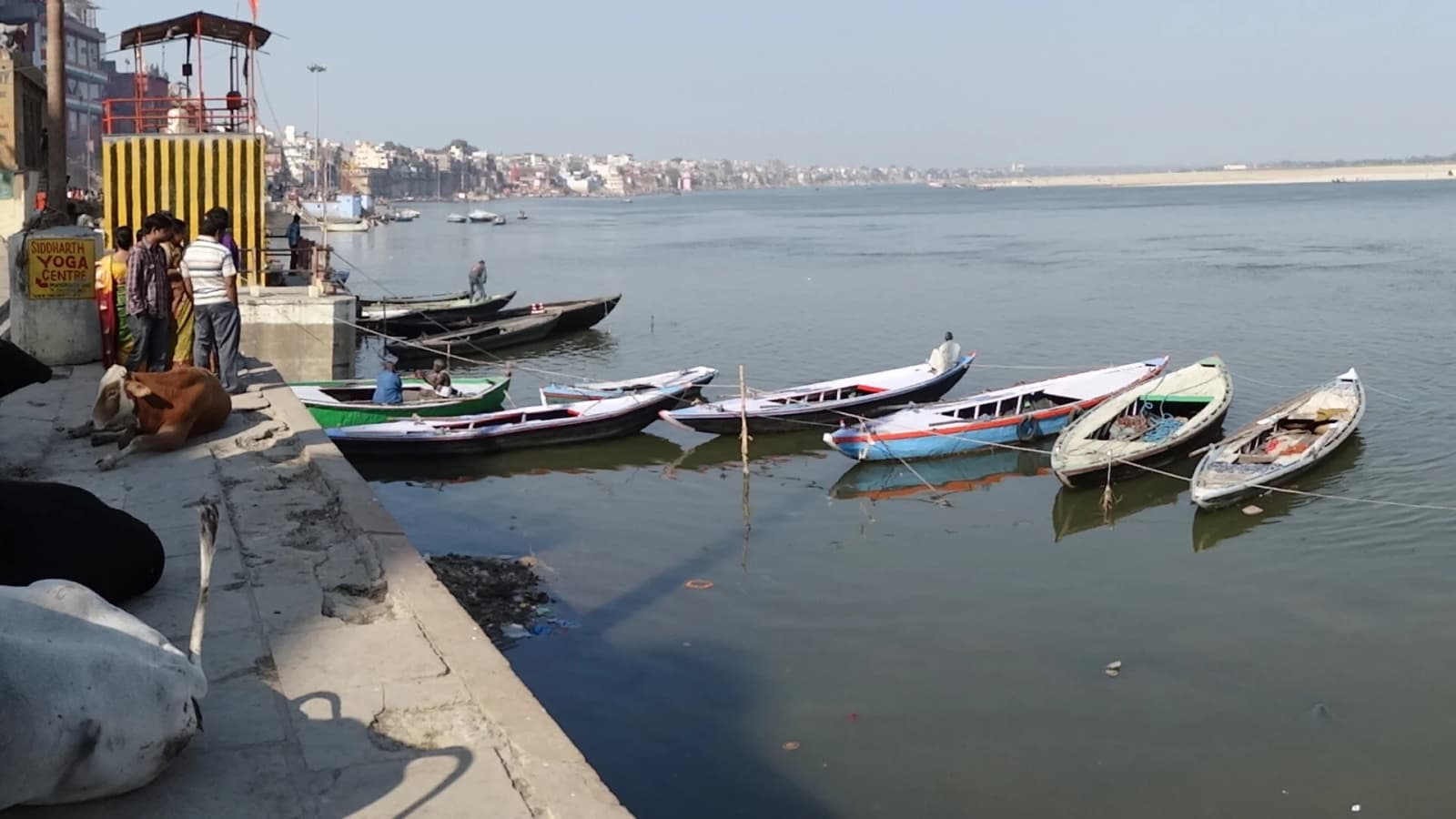
The project includes a 910-metre cable-stayed bridge and a 1.32-km extradosed bridge that will also serve as a foot overbridge, along with loops, ramps, link roads and service roads. The ministry said the corridor will improve access to the Kashi Vishwanath Temple, Banaras Hindu University (BHU), Namo Ghat, Ramnagar Fort, the airport and the Ramnagar port of the Inland Waterways Authority of India (IWAI).
Why it matters for visitors and residents
The government says both projects respond to Varanasi's growing traffic. According to the ministry, the corridors will ease congestion in the city centre, allow smoother movement of local and through traffic, improve road safety, lower vehicle operating costs and make the city more accessible for residents, commuters and pilgrims, while supporting tourism and pilgrimage-related activity. Both have been aligned with the PM Gati Shakti National Master Plan for multimodal connectivity, and the Varuna corridor is also expected to improve freight access to logistics hubs and the Chandauli area.
The combined capital cost of the two corridors comes to about Rs 25,446 crore, based on the figures in the release.
What next
The release did not name the bidders or give a date for awarding the contracts, and no construction timeline has been announced. After bids are evaluated, NHAI is expected to award the four packages, and work can begin only once contracts are signed.
Photo source · Adam Jones, CC BY-SA 2.0