Indian Railways has approved the Final Location Survey (FLS) for a new railway line between Kakdwip and Gangasagar in South 24 Parganas district of West Bengal, the Ministry of Railways said on 29 November 2026. The proposed line of about 34 km would include a bridge of roughly 4.5 km across the River Hooghly and would, for the first time, extend rail connectivity towards Sagar Island, home to one of India's best-known pilgrimage sites.
Union Railway Minister Ashwini Vaishnaw said the line would significantly improve connectivity to Gangasagar and make travel more convenient for pilgrims, residents and tourists, according to the ministry's press release.
What has been approved?
The approval covers the Final Location Survey, the detailed field survey that fixes the alignment of a new line before construction can be considered. It is not yet a construction sanction, and the ministry has not announced a cost estimate or a completion timeline.
According to the ministry, the line will run for roughly 34 km. Its centrepiece is a railway bridge of about 4.5 km, which the ministry described as expected to be among the longest railway bridges in the country once completed.
How do pilgrims reach Gangasagar now?
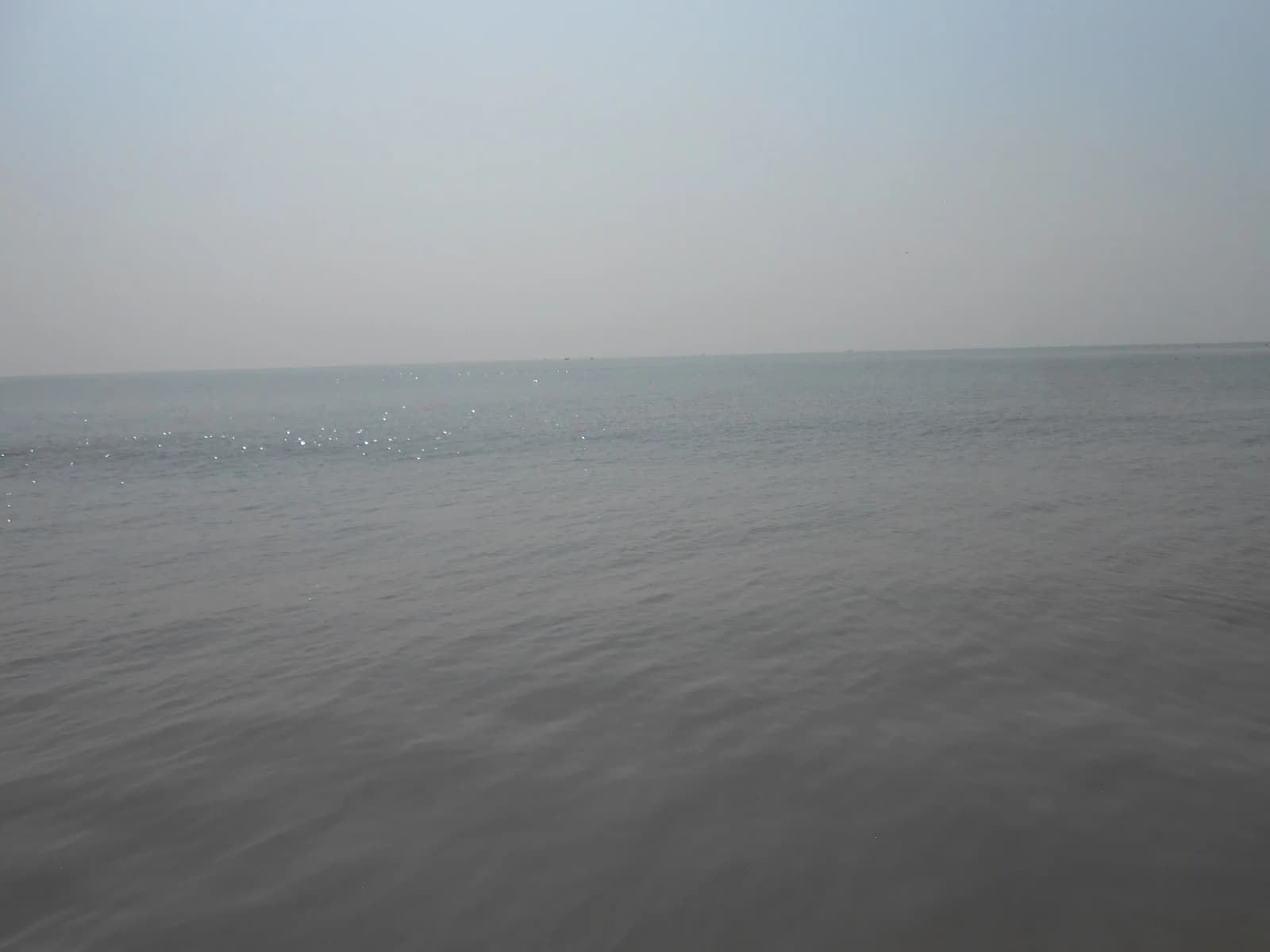
At present, travellers must take a ferry across the Muriganga river and then continue by road to reach Gangasagar from the mainland, the ministry said. That crossing becomes a bottleneck during peak pilgrimage periods.
Gangasagar sits on Sagar Island, where the Ganga meets the Bay of Bengal at Sagar Sangam. Devotees from across the country travel there, particularly during the annual Makar Sankranti pilgrimage, to take a holy dip and pray at the Kapil Muni Temple.
Why it matters
A rail link would give the island an all-weather connection that does not depend on ferry schedules. The ministry said the project is also expected to boost tourism, support local economic activity and contribute to the wider development of the area.
The ministry placed the project within a broader push to connect religious and tourism destinations along the Ganga basin, from the 125-km Rishikesh-Karnaprayag line being built through Uttarakhand's Garhwal region to the river's delta in West Bengal. Work on that Himalayan line recently reached a breakthrough in the 6.59-km Tunnel-14 in Rudraprayag.
What happens next?
Once the survey is complete, its findings on alignment and engineering would typically feed into a detailed project report and a decision on funding and construction. The ministry has not said when the survey will be finished or when work on the line could begin.
Photo source · Jordanrockwi, CC BY-SA 4.0