Indian Railways has broken through Tunnel-14 of the Rishikesh-Karnaprayag Rail Project in Uttarakhand's Rudraprayag district, joining the two excavated faces of the 6.59-km triple-track tunnel, according to an official release carried by DD News on 27 November 2026, citing the Press Information Bureau (PIB).
The breakthrough links the stretch dug from Portal-1 at Sumerpur with the section excavated from Portal-2 at Marora. It is another milestone for a project meant to bring rail connectivity to the hill regions of Uttarakhand.
How long is Tunnel-14 and how was it dug?
Tunnel-14 runs for 6.59 km, of which 4.7 km was excavated from the Sumerpur end and 1.79 km from the Marora end, as per the release. It has been built as a triple-track tunnel.
Engineers faced difficult ground at both ends. Near Portal-1, a 110-metre section had to be dug through loose soil lying beneath inhabited areas, with only about 20 to 30 metres of soil and rock overhead. Crews used pre-excavation and multi-drifting techniques there, which involve opening the tunnel face in smaller sections to keep the ground stable.
At Portal-2, the slope was strengthened before digging. The work included micropiles driven 30 to 35 metres deep, rock bolts 15 to 20 metres long and consolidation grouting. About 100 metres at this end was excavated mechanically.
What was done to protect nearby homes?
Blasting near both portals was carried out in a controlled manner and only during daytime, the release said, with the aim of protecting settlements close to the alignment. Along the long 4.7-km drive from Sumerpur, special ventilation systems were installed to bring fresh air to workers and keep tunnel temperatures in check.
Why did work at Marora start late?
Main tunnel excavation from Portal-2 began only in March 2024. According to the release, this followed the resolution of ground settlement problems at Marora as well as issues over acquisition of land and houses in the area.
Why it matters for travellers
For pilgrims, tourists and residents of the Garhwal hills, road travel along river valleys is often slow and prone to disruption. A rail line into the mountains is intended to give the region an all-weather alternative and better connectivity with the rest of the country.
The Tunnel-14 milestone comes a day before Indian Railways reported a similar landmark in the Northeast, where excavation of Tunnel No. 10 on the Sivok-Rangpo line was completed, bringing Sikkim closer to its first railway link.
What happens next?
The release did not give an opening date for the Rishikesh-Karnaprayag line or the cost of the tunnel. With the two faces of Tunnel-14 now joined, the next stages of work inside the tunnel are expected to follow before trains can run, though officials have not set out a timeline in the announcement.
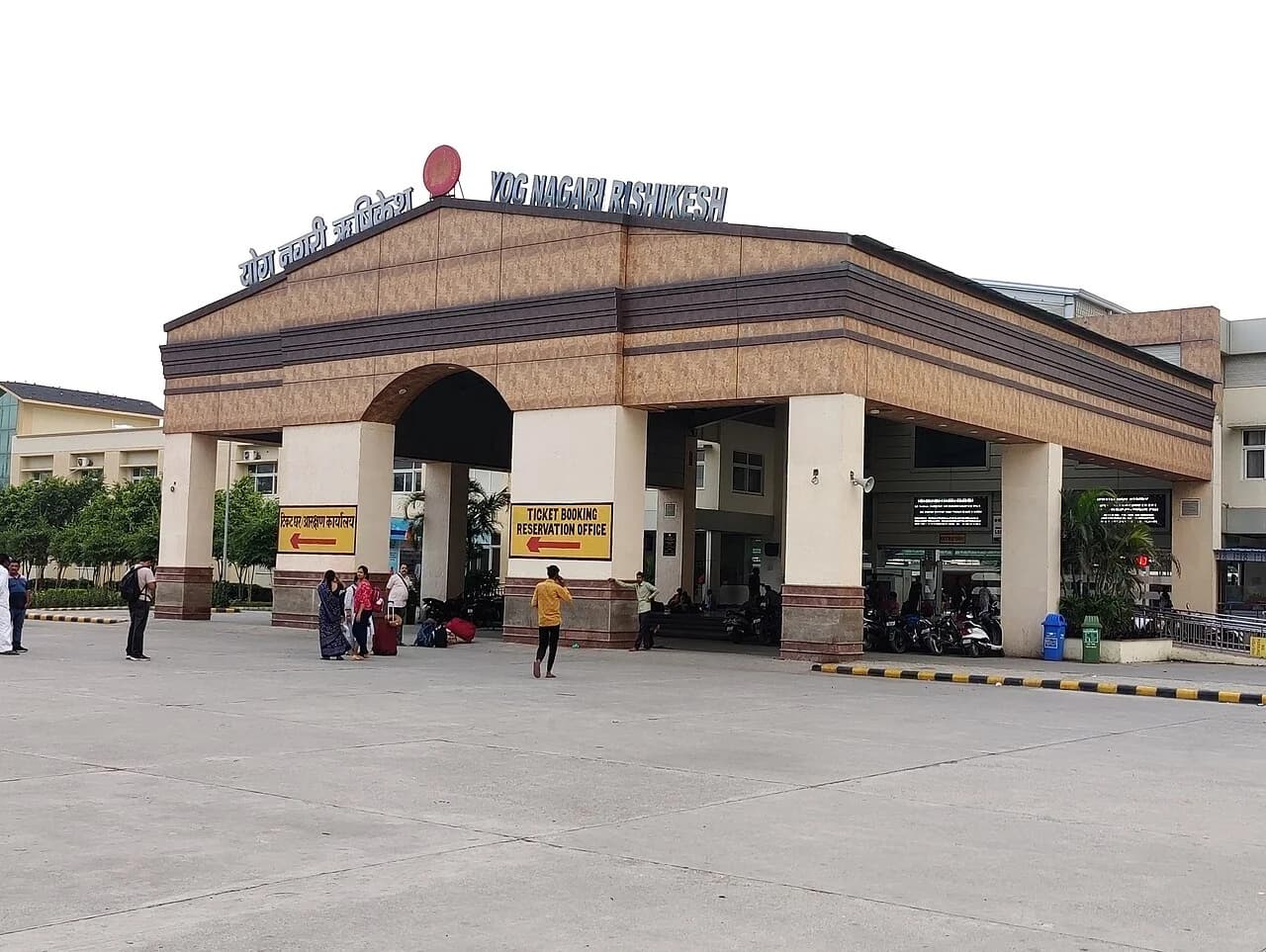
Photo source · Ravi Dwivedi, CC BY-SA 4.0