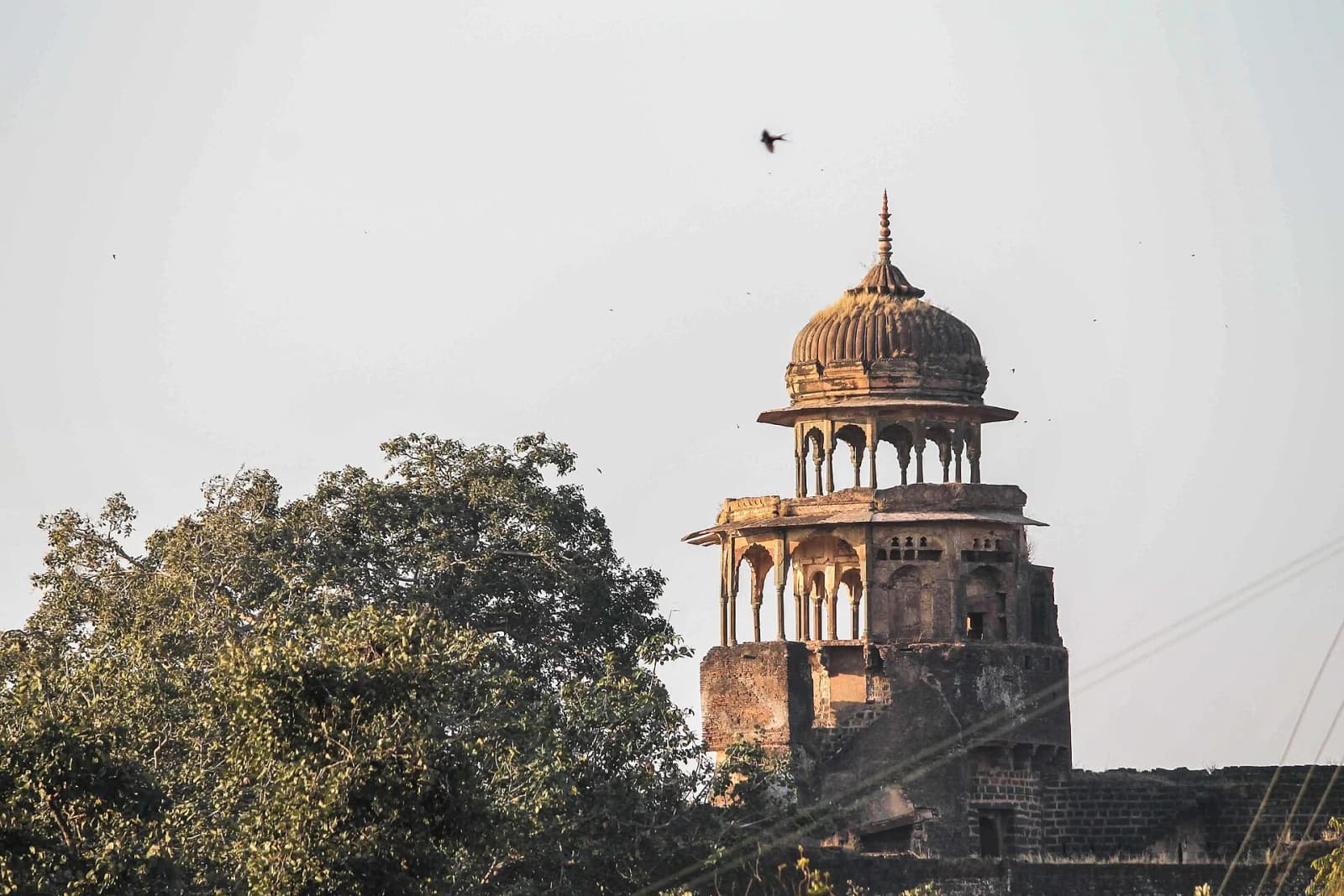
The National Green Tribunal (NGT) has taken suo motu cognisance of alleged illegal mining and frequent blasting in the hills beside the historic Bajranggarh Fort in Madhya Pradesh's Guna district, and has issued notices to five authorities, including the state government and the state pollution control board. The action was reported from Bhopal on 21 November 2026, and the matter is listed for its next hearing on 23 December.
The case was taken up by the tribunal's Central Zonal Bench in Bhopal, made up of Justice Prakash Shrivastava and expert member Sudhir Kumar Chaturvedi, according to a PTI report carried by ETV Bharat.
What did the NGT do about Bajranggarh Fort?
The bench registered an original application on its own, based on a Hindi newspaper report dated 17 November about stone quarrying and mining in the hills next to the fort, which dates from the 16th–17th century. It sought replies from five respondents:
- the Madhya Pradesh government, through the Guna district magistrate (Collector);
- the Member Secretary of the Madhya Pradesh Pollution Control Board;
- the Guna Municipal Council;
- the Divisional Forest Officer, Guna; and
- the District Mining Officer, Guna.
The authorities are expected to file their responses before the 23 December hearing, an official was quoted as saying. A Hindi report by Prime TV India said the respondents have been asked to reply at least a week before that date.
What is alleged near the fort?
According to the newspaper report the tribunal relied on, nine mining leases were granted in the area over the past decade, but digging has taken place at several spots over areas many times larger than what was approved. Crusher machines are said to be breaking stone continuously on the hills close to the fort, near the Aron–Sironj state highway.
The report also alleged that regular blasting shakes nearby homes as well as the walls of the fort, and that deep mining pits have been left without wire fencing or warning signs, posing a risk of accidents. Local complaints cited by Prime TV India speak of cracks appearing in houses near the quarries, where gitti (crushed stone) and murram are extracted.
The report questioned how closely the state's mineral department and the Archaeological Survey of India (ASI) have been monitoring the site. These are allegations from the news report; they have not yet been tested before the tribunal, and the respondents' version is not yet on record.
Which laws could apply?
The bench observed that the matter appeared to involve breaches of environmental norms that could attract the Environment (Protection) Act, the Air (Prevention and Control of Pollution) Act, the Mines and Minerals (Development and Regulation) Act and the Environment Impact Assessment Notification.
To ground its power to act without a formal petition, the tribunal cited the Supreme Court's 2021 judgement in Municipal Corporation of Greater Mumbai vs Ankita Sinha, which recognised that the NGT can take up matters suo motu.
Why it matters
The case brings together two concerns that often collide in central India: stone mining that feeds construction, and the protection of old forts and the people living around quarry zones. It also puts the spotlight on the state pollution control board, which has been dealing with other local pollution complaints in the region, such as the chimney smoke complaint against namkeen factories in Maheshwar.
What happens next
The five respondents must place their replies before the bench ahead of the 23 December hearing. The tribunal can then decide whether further steps, such as an inspection or interim directions, are needed. No such directions have been reported so far.
Photo source · Aaron Naorem, CC BY-SA 2.0