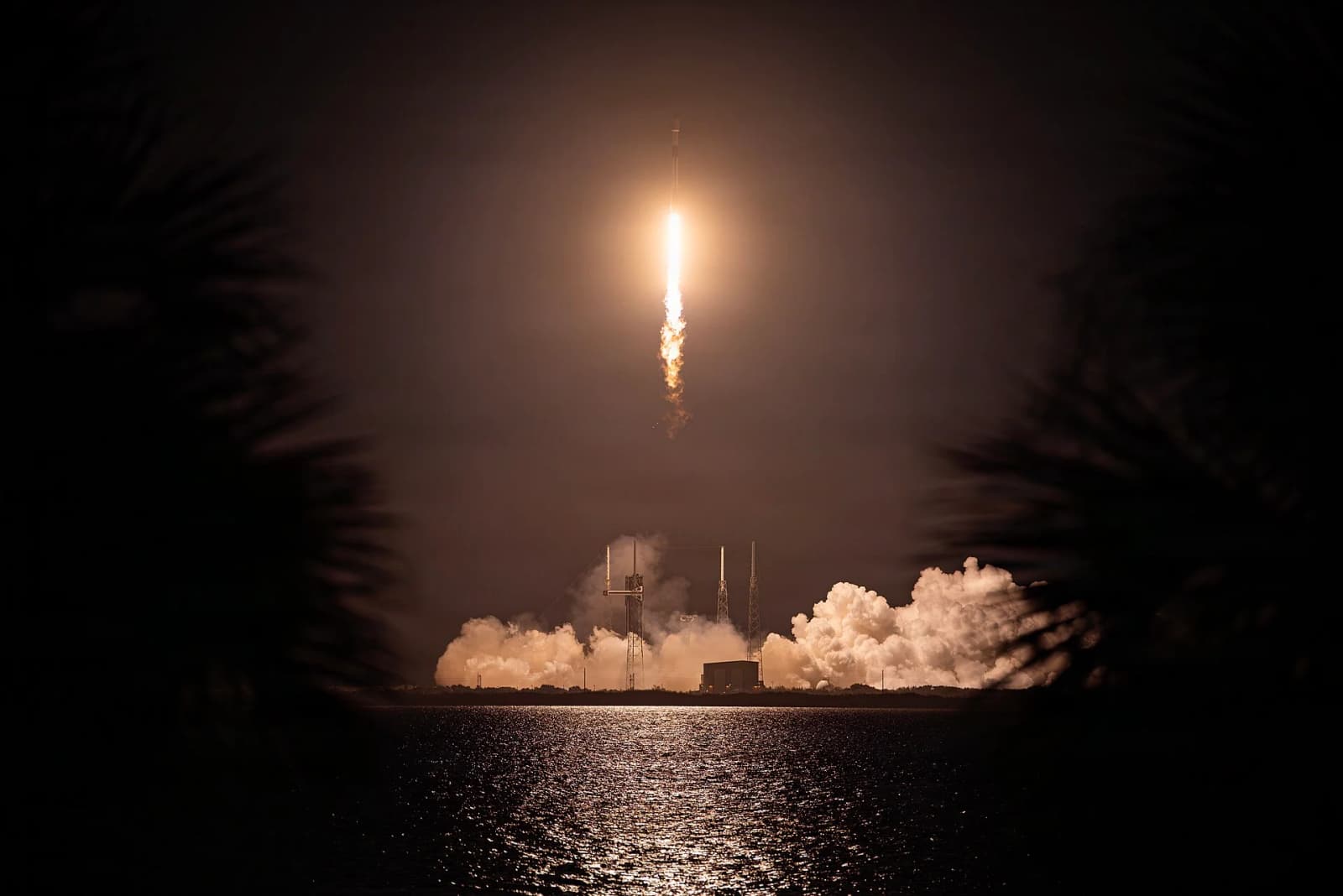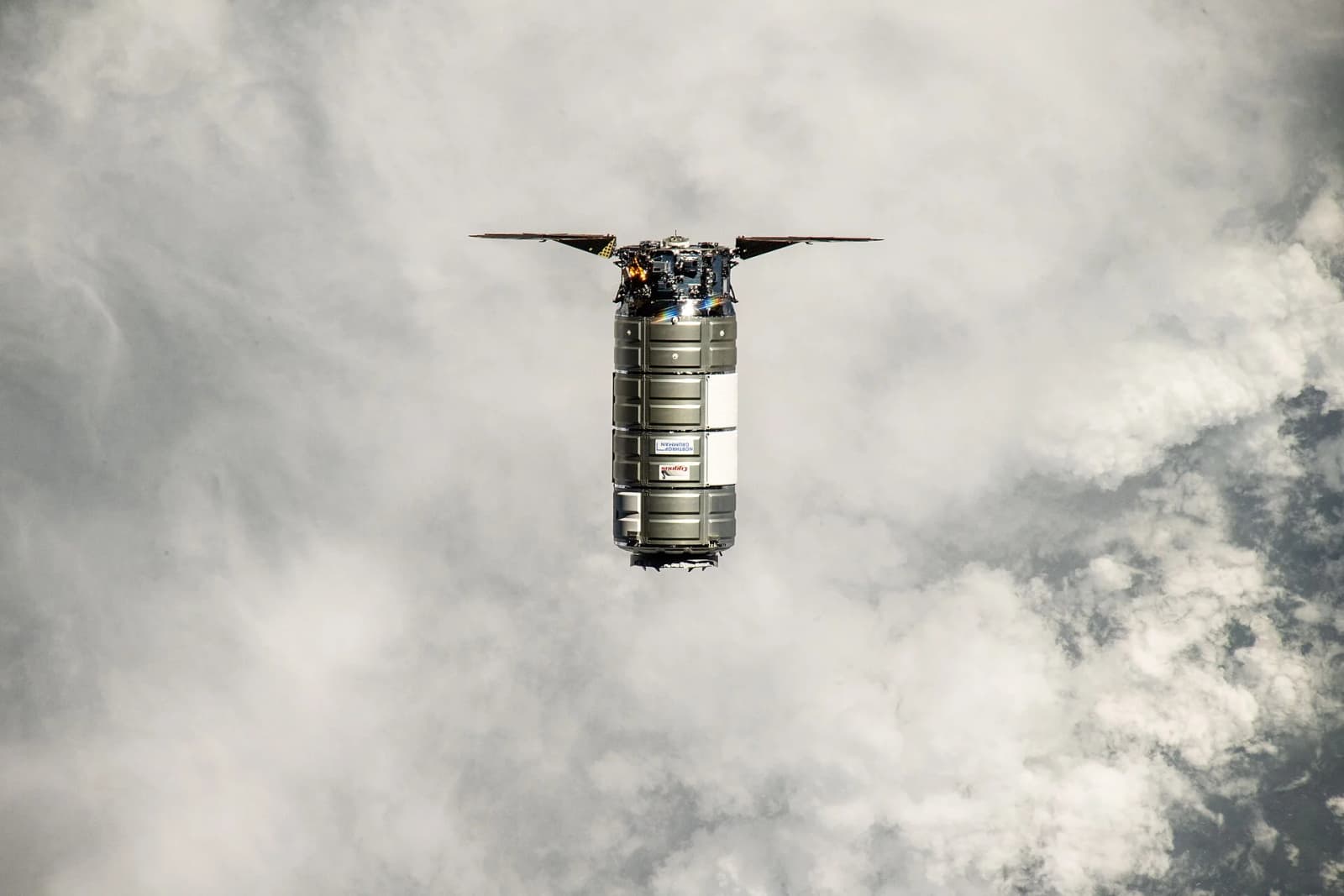
NASA's Northrop Grumman Commercial Resupply Services 25 (CRS-25) mission marks the third flight of Northrop Grumman's larger, higher-capacity Cygnus XL spacecraft, carrying roughly 11,000 pounds of food, crew equipment, and scientific investigations to the International Space Station aboard a SpaceX Falcon 9 rocket from Cape Canaveral Space Force Station in Florida.
Berthing Plan and Biomedical Investigations
According to NASA's mission overview, astronauts aboard the orbital laboratory will capture Cygnus XL using the Canadarm2 robotic arm before ground controllers attach the spacecraft to the Earth-facing port of the Unity module for unloading. Alongside essential crew provisions, the manifest spotlights biomedical studies aimed at advancing therapies on Earth as well as safeguarding astronaut health:
- Cardinal Muscle 2.0: Uses engineered muscle tissue in microgravity, where muscle atrophy develops rapidly without exercise, to screen FDA-approved drugs that could counter age-related and spaceflight muscle loss.
- DNA Nano B: Produces nanoscale, DNA-inspired particles in orbit to refine uniform assembly for targeted medicine delivery into dense tissues such as cartilage and solid tumors.
- Encapsulate-1: Examines miniature replicas of patient tumors in microgravity to track cell invasion and progression, aiding earlier diagnostic tools for cancer treatment.
Artemis Radiation Tech, Crops, and In-Space Assembly
CRS-25 also carries the Active Radiation Environment Sensor (ARES), a compact detector designed to integrate into spacecraft living quarters for real-time radiation monitoring in support of Artemis and future lunar missions. Rounding out the payload suite are the automated Ohalo III plant growth chamber — using advanced water recovery and air exchange to sustain crew crop production toward Mars — and the JOining demonstrations IN-Space (JOINS) robotics experiment to test assembling large orbital structures beyond rocket fairing limits.