More than 150 registered backyard astronomers across multiple continents are helping professional astrophysicists hunt down some of the universe's briefest and most energetic explosions through NASA-supported citizen science. Highlighted by NASA Science on November 24, 2026, the Kilonova Catcher project links volunteer observers directly to automated alerts whenever observatories detect gravitational waves or gamma-ray bursts.
Rapid Alerts and Global Sky Coverage
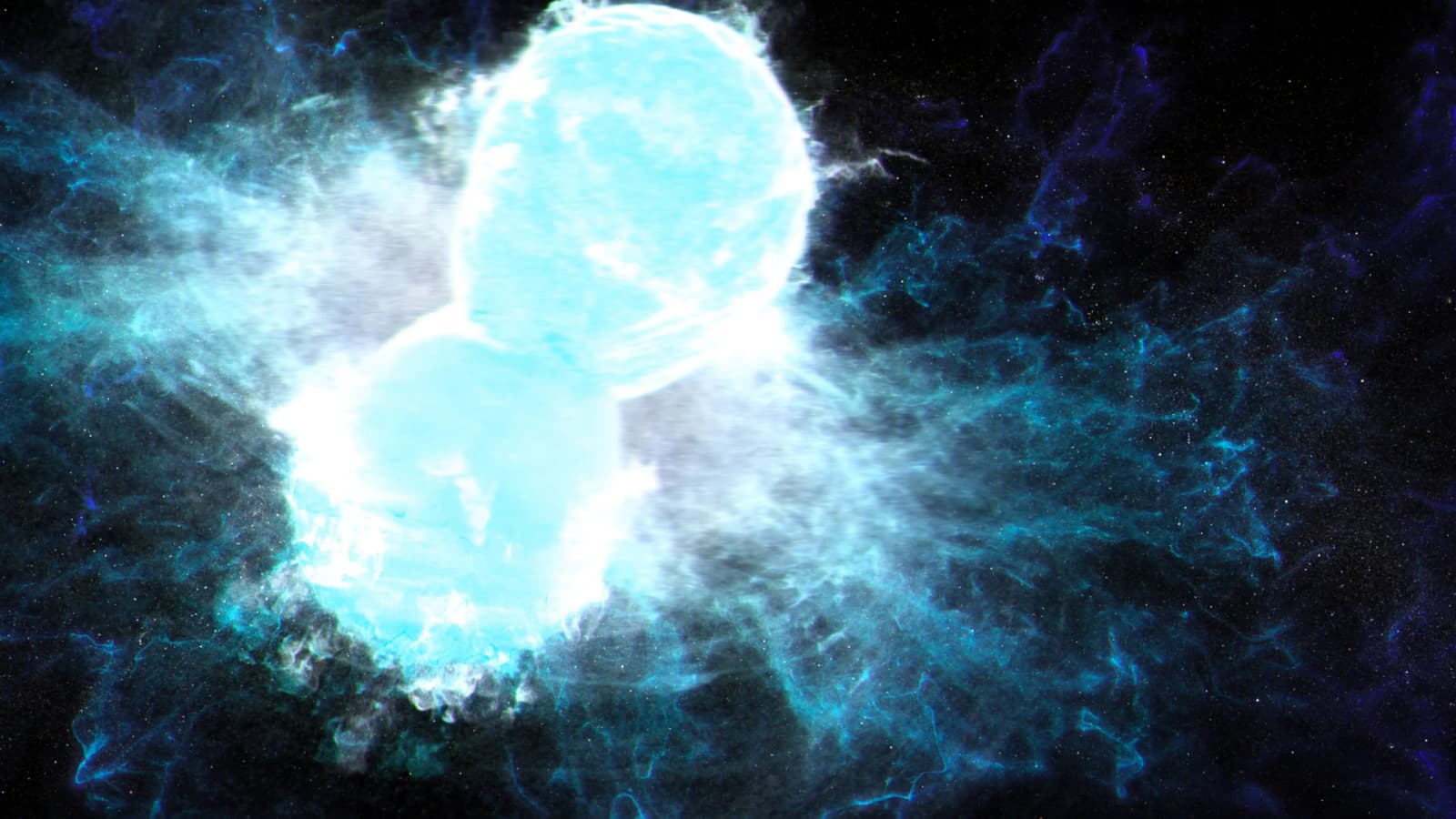
Kilonovas—luminous optical flashes triggered when neutron stars slam together and forge heavy elements—fade rapidly over days or even hours, leaving professional observatories racing against daylight and local cloud cover. By mobilizing amateur skywatchers across time zones, Kilonova Catcher fills observational gaps and helps narrow huge sky-search regions transmitted through NASA's General Coordinates Network (GCN).
Participants have already submitted more than 64 official observational reports to the GCN and earned co-authorship credit on peer-reviewed scientific publications. Co-led by Cristina Andrade at the University of Minnesota's Institute for Astrophysics alongside principal investigator Dr. Damien Turpin of France's Alternative Energies and Atomic Energy Commission (CEA), the network blends volunteer telescopes with real-time follow-up workflows.
From Artemis II Lunar Flashes to the Roman Telescope
Kilonova Catcher volunteers also contributed to NASA's Artemis II Impact Flash! campaign monitoring the Moon and are scaling up training ahead of the Nancy Grace Roman Space Telescope, which is expected to generate thousands of transient alerts. NASA's citizen-science showcase comes alongside broader agency space initiatives, including NASA's SR-1 Freedom nuclear spacecraft planning for deep-space exploration.