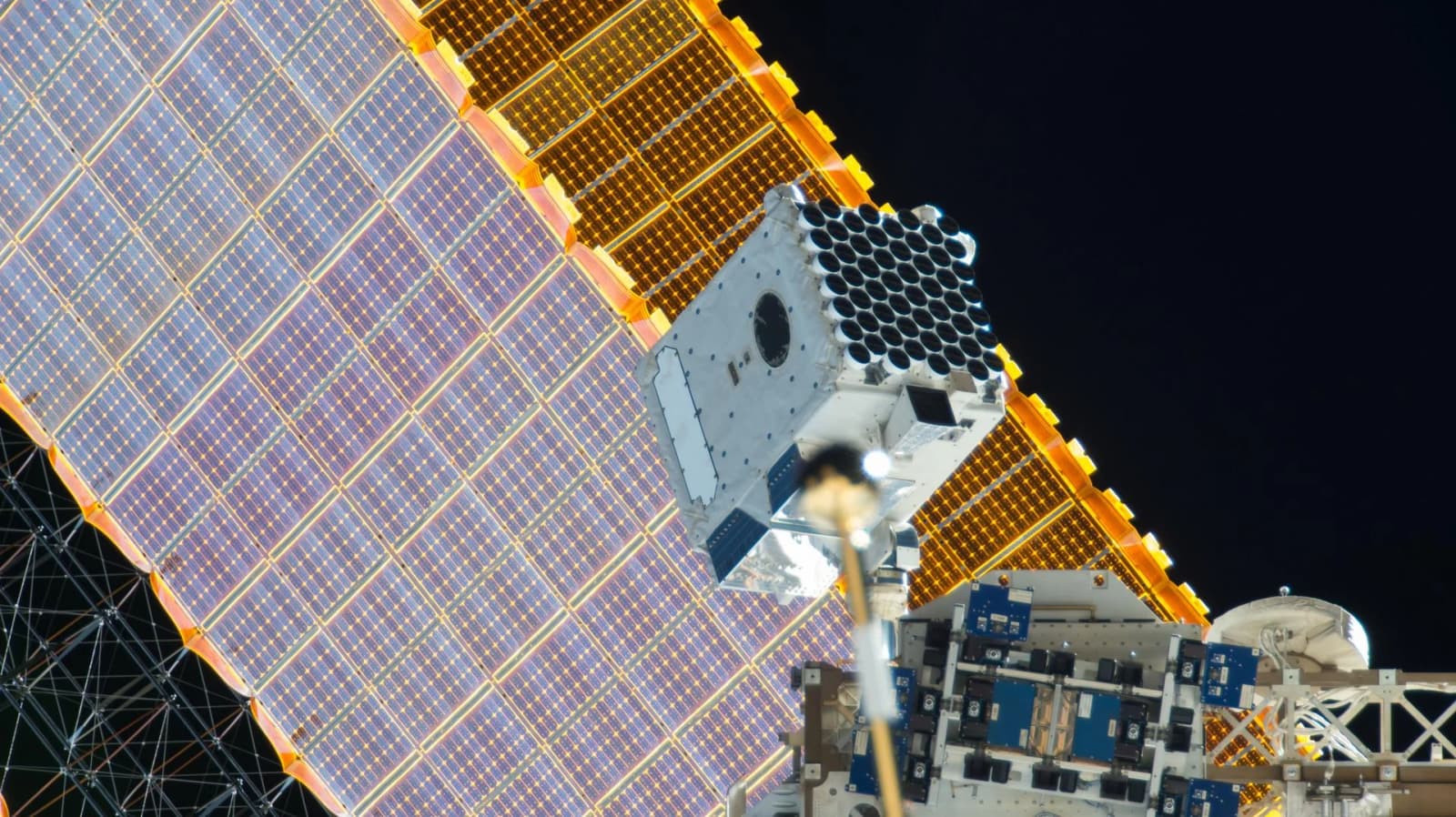
NASA has ended science operations of NICER, the X-ray telescope mounted on the outside of the International Space Station, the agency said in a mission status update dated 17 November 2026. The instrument had not collected science data since June 2025, when it lost the ability to turn fully and follow objects across the sky.
NICER, short for Neutron star Interior Composition Explorer, was launched in 2017 for a prime mission of 18 months. According to NASA, it went on working for about six and a half years beyond that original plan.
What went wrong
NASA said that in June 2025 the telescope suddenly could not swivel from side to side beyond the position it was then in. That limited its ability to track cosmic objects, and the team paused data collection to investigate.
An earlier NASA update on the same page said observations were halted on 17 June 2025 after the performance of a motor degraded. In August 2025 the agency said science remained paused, that the telescope's position posed no safety issue for the station or its crew, and that no date had been set for a return to science.
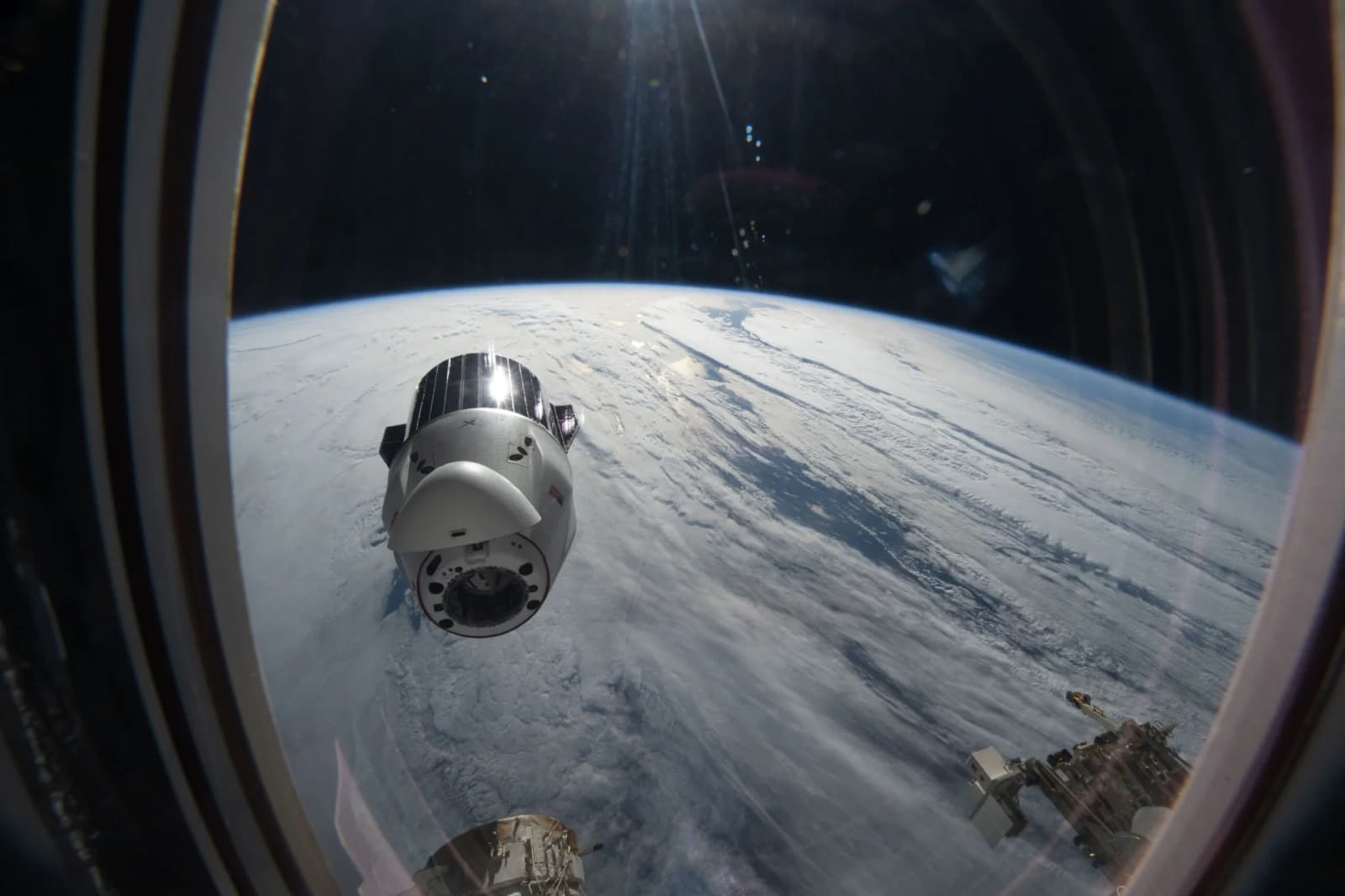
In the latest update, NASA said robotic cameras on the outside of the station photographed the telescope, which helped the team rule out an external cause. Engineers now believe an internal motor has failed, restricting the telescope's movement.
What NICER achieved
The telescope was built mainly to study neutron stars, which NASA describes as containing the densest matter in the universe that can be measured. The agency said NICER made groundbreaking measurements of these objects and changed scientists' understanding of black holes, active galaxies and other phenomena.
NASA also listed two results that go beyond astronomy:
- NICER demonstrated navigation using X-ray signals from pulsars, a technique the agency said could one day be used on journeys to Mars and beyond.
- Technology developed to test the telescope before launch is now being built into prototype portable CT scanners, materials analysis systems and other applications.
What happens next
With observations over, NASA said the mission teams are concentrating on two tasks. The first is to finalise NICER's eight-year archive of X-ray observations, so that the data remain available to researchers. The second is to decommission the telescope.
The agency said NICER will be detached from its place near the space station's starboard solar array. The update did not give a date for the removal or say how the hardware will be disposed of.
Why it matters
The announcement formally closes a mission that outlived its planned 18-month run several times over.
NASA's update did not include any statement from mission scientists, and it did not say whether a successor instrument for X-ray studies of neutron stars is planned for the station.