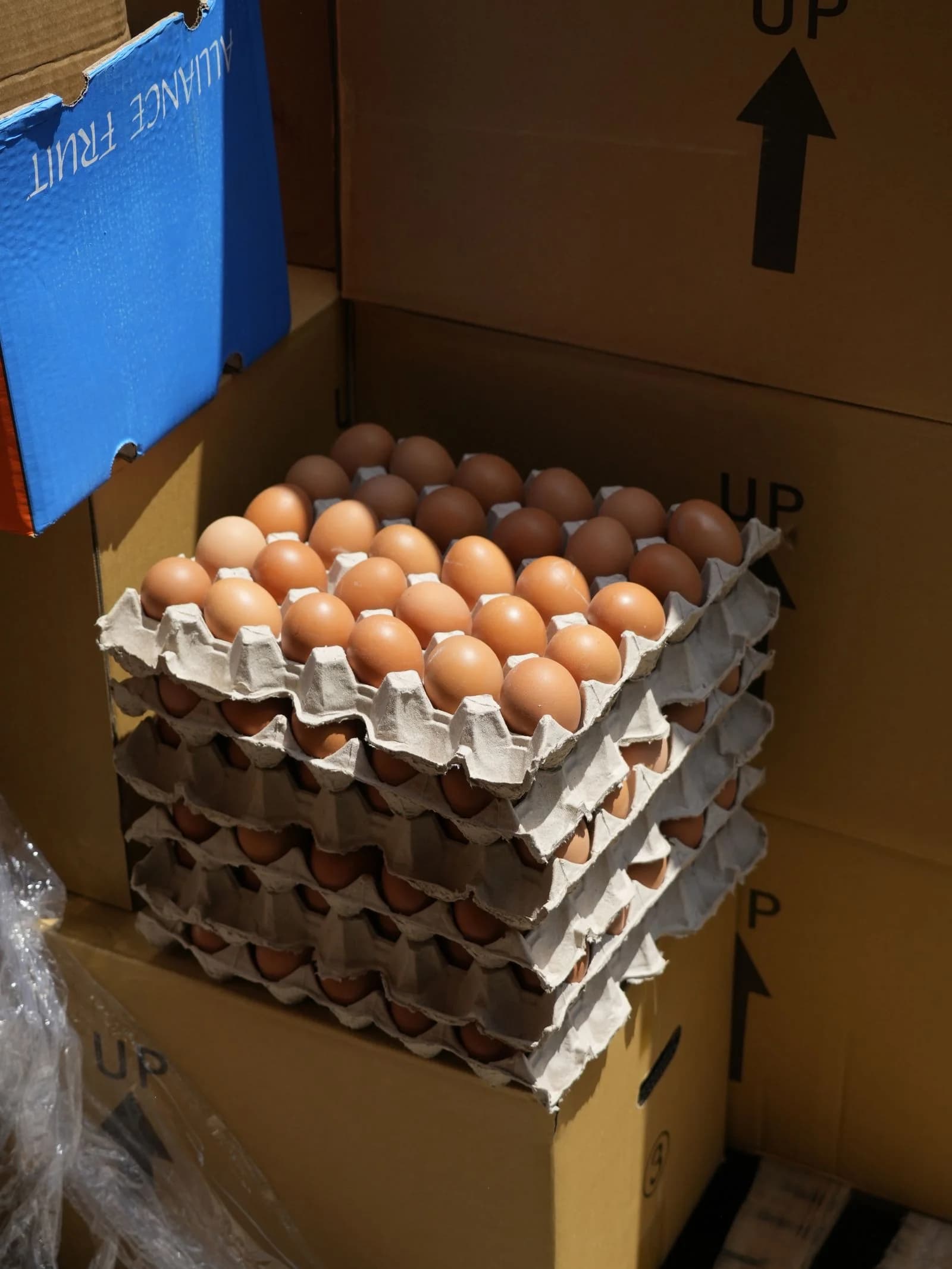
Poultry farmers and traders in Namakkal, Tamil Nadu, on 22 November 2026 asked the Centre and the state government to declare the district a special egg export zone, after a bird flu outbreak in Cuddalore district led Oman to stop taking eggs from the region, according to a report by the news agency IANS. About six crore eggs are stranded in the Namakkal belt, the report said.
What are the farmers asking for?
They want Namakkal recognised separately as an egg export zone, so that a bird flu outbreak in another part of the state does not automatically halt their shipments. The president of the Namakkal Livestock and Agricultural Farmers and Traders Association said local farms follow strict biosecurity practices and that these should count when importers decide whether Namakkal eggs can still be shipped, IANS reported. The association said its main worry was that an outbreak elsewhere could cut off trade even when Namakkal flocks are not infected.
Why Oman matters so much
Oman normally buys about half of all eggs exported from Namakkal, roughly as many as all its other overseas markets put together, according to the IANS report. Namakkal accounts for more than 90 per cent of India's egg exports. Other buyers include Saudi Arabia, Iran, Iraq, Bahrain, the United Arab Emirates and some African countries.
The poultry belt spanning Namakkal, Salem, Erode and Coimbatore has more than 1,000 farms and about eight crore laying hens, the report said. The six crore stranded eggs are close to one full day's output for the region.
How exports had already fallen
The trouble began earlier in November. DT Next reported on 17 November that buyers in the UAE, Oman and South Africa had started cancelling orders after the Cuddalore outbreak. Vangili Subramaniam, president of the Tamil Nadu Egg Poultry Farmers Marketing Society, told the paper that Namakkal used to export about 25 crore eggs a month until six months ago, that this had dropped to 15 crore after shipping costs rose because of the Iran-Israel war, and that exports had since fallen by another 50 per cent.
What it means for egg prices
The National Egg Coordination Committee (NECC) cut its procurement price from ₹6.70 to ₹6 per egg in three steps on 11, 13 and 15 November, DT Next reported. Subramaniam put the cost of producing an egg at about ₹6.50, so farmers are now selling below cost. NECC chairman K. Singaraj linked part of the slowdown to lower domestic demand during the Sashti fasting period and the Sabarimala pilgrimage season, when many devotees avoid eggs, and said he expected prices to recover.
Is Namakkal itself affected by bird flu?
Farmers say no. The birds affected in Cuddalore were broiler chickens, while Namakkal farms mainly keep egg-laying hens, according to farmers quoted by DT Next. Farms in the district are being disinfected regularly, outsiders are kept out and feed vehicles are sprayed, the paper reported.
What is confirmed and what is not
- Confirmed by reports: buyers including Oman cancelled orders after the Cuddalore outbreak; NECC cut procurement prices to ₹6 an egg; farmers on 22 November sought a special export zone.
- Not yet confirmed: no official statement from Oman's authorities or from India's commerce or animal husbandry ministries on the scope or length of the halt was available at the time of writing.
What happens next
The association has asked both governments to find a way for exports to continue when disease restrictions follow outbreaks elsewhere in India. Any export-zone status would need a decision by the authorities, and no response had been reported so far.