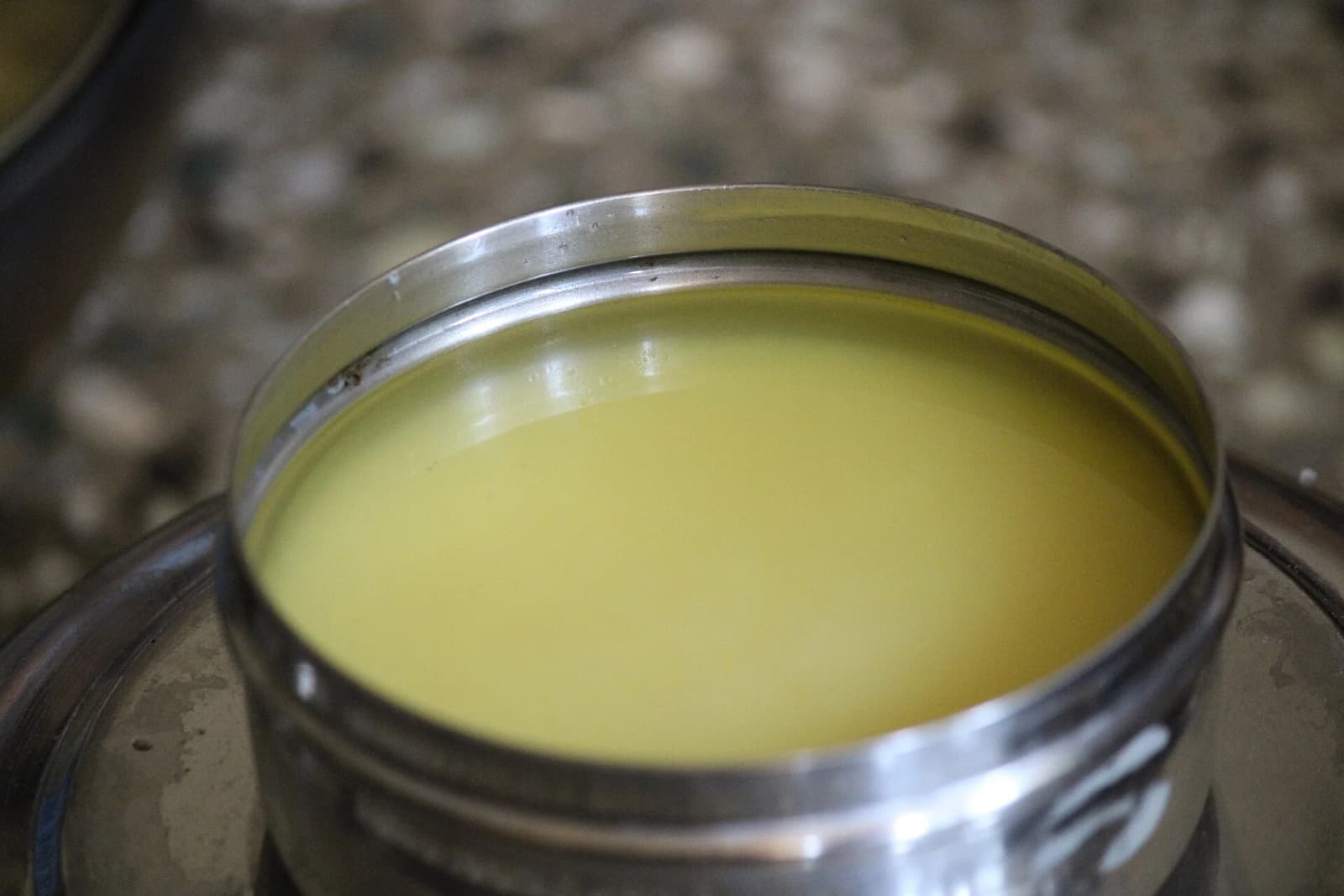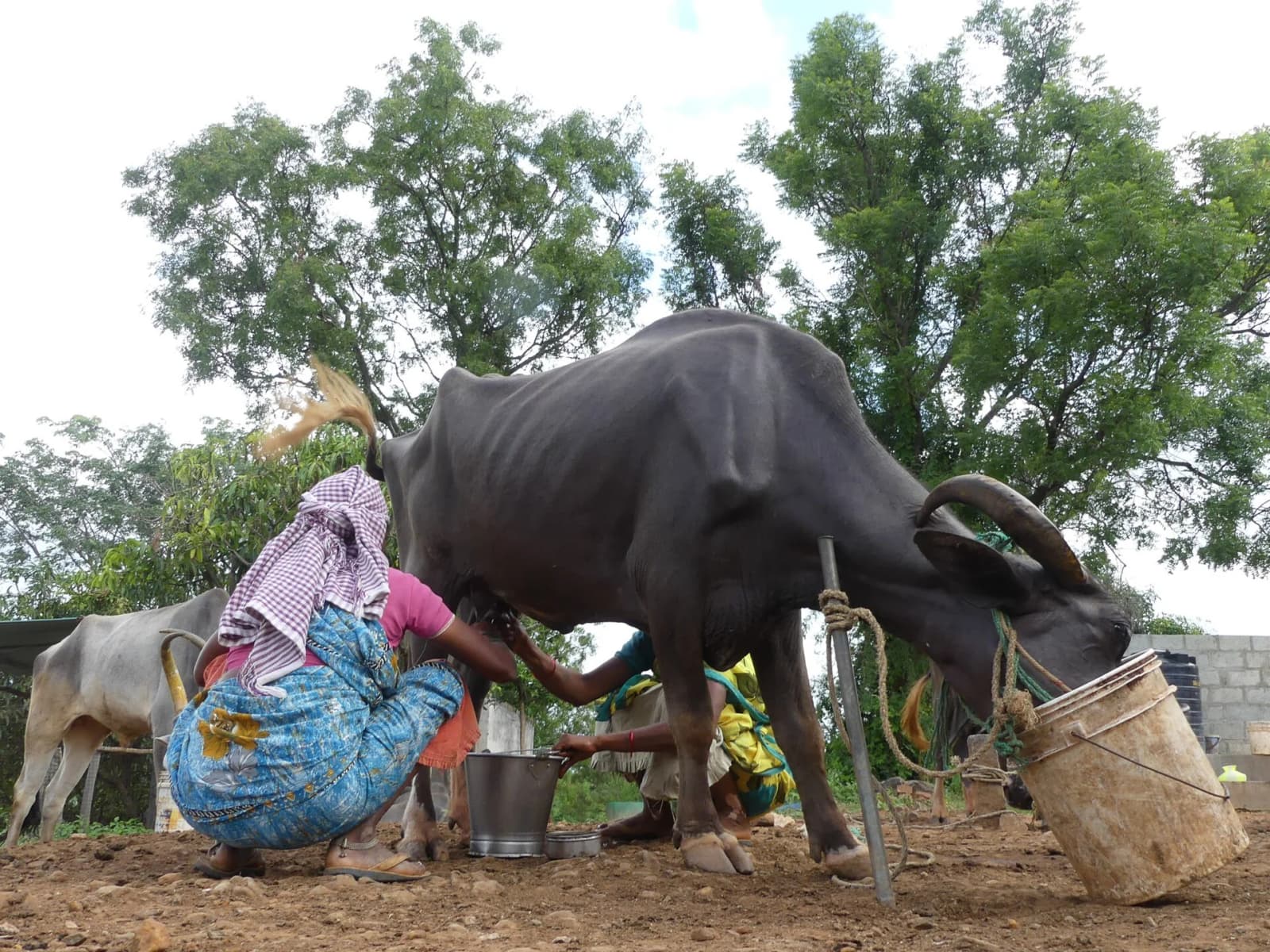
The Kolhapur District Cooperative Milk Producers' Union, which sells milk under the Gokul brand, raised the retail price of buffalo milk by ₹6 a litre and cow milk by ₹4 a litre with effect from 21 November 2026 in Kolhapur, Maharashtra, citing drought conditions and the difficulties faced by dairy farmers.
Union chairman Rajesh Patil, a former MLA, announced the revision on Saturday, 21 November. All 25 directors of the union approved the proposal unanimously, The Pioneer reported.
How much more will farmers get?
Farmers who supply milk to Gokul will get ₹3 more a litre for buffalo milk and ₹2 more for cow milk, so the procurement increase is about half of the rise in the selling price. According to reports, the revised rates will apply for about 131 days, until March, and the union will review the situation every month before taking further decisions.
Why did Gokul raise prices?
Patil linked the decision to drought and weak rainfall, which the union says could sharply cut milk availability in parts of Maharashtra, including Kolhapur, India.com reported. The previous retail prices were not stated in the reports reviewed, so the new per-litre price for each variant could not be independently confirmed.
Why are farmers unhappy?
Some producers have called the procurement increase inadequate, saying it does not cover the rising cost of cattle feed and fodder. One farmer quoted in the reports said producers get about ₹63 a litre while the same milk sells for about ₹78 a litre, and alleged that the union gains the most from the hike. Farmers also said a bag of cattle feed now costs ₹2,100 to ₹2,200 and that a farm can need three to four bags a day. The union's response to these claims was not reported.
Part of a wider round of milk price increases
The Gokul revision follows increases by the country's two largest milk brands. Amul and Mother Dairy raised the prices of their liquid milk variants by ₹2 to ₹4 a litre from 12 November 2026, pointing to costlier fodder, cattle feed and packaging, uneven rainfall and higher payments to farmers, National Herald reported. Both had last raised prices in May.
Why it matters for households
Milk is bought daily in most homes, so a ₹4 to ₹6 rise per litre adds up quickly for families that buy one or two litres a day. Dairy cooperatives are also the main buyers for many small farmers, so the gap between what consumers pay and what producers receive is likely to stay a point of debate in Kolhapur's dairy belt.
What next
Gokul has said it will review rates monthly until March. Whether drought conditions ease, and how feed prices move, will decide if procurement rates change again. It is not yet clear whether other cooperative dairies in Maharashtra will follow with similar increases.
Photo source · Mike Prince from Bangalore, India, CC BY 2.0