National Aluminium Company Limited (NALCO), the state-run aluminium producer, has signed a memorandum of understanding (MoU) with Russian aluminium major RUSAL to study how scandium, a critical mineral, can be recovered from red mud, the waste left behind when alumina is made from bauxite. The agreement was signed on 17 November 2026 in Bengaluru, Karnataka, on the sidelines of ICSOBA 2026, and was announced by the company on 18 November.
What does the agreement cover?
The MoU is meant to enable an exchange of technical knowledge and an assessment of commercially viable ways to extract scandium from red mud, NALCO said, according to UNI and PSU Watch. RUSAL, which NALCO's statement described as the world's largest producer of low-carbon aluminium, has already developed technology for extracting scandium from red mud, and the partnership is expected to open opportunities for technology sharing in the critical minerals sector.
The agreement was signed in the presence of NALCO Chairman and Managing Director Brijendra Pratap Singh, Director (Projects and Technical) Jagdish Arora and RUSAL Technical Director Viktor Mann, along with senior officials of both companies, NALCO said in a post on its official X account. The event was the 44th International Conference and Exhibition of the International Committee for Study of Bauxite, Alumina and Aluminium (ICSOBA).
What is red mud, and why does scandium matter?
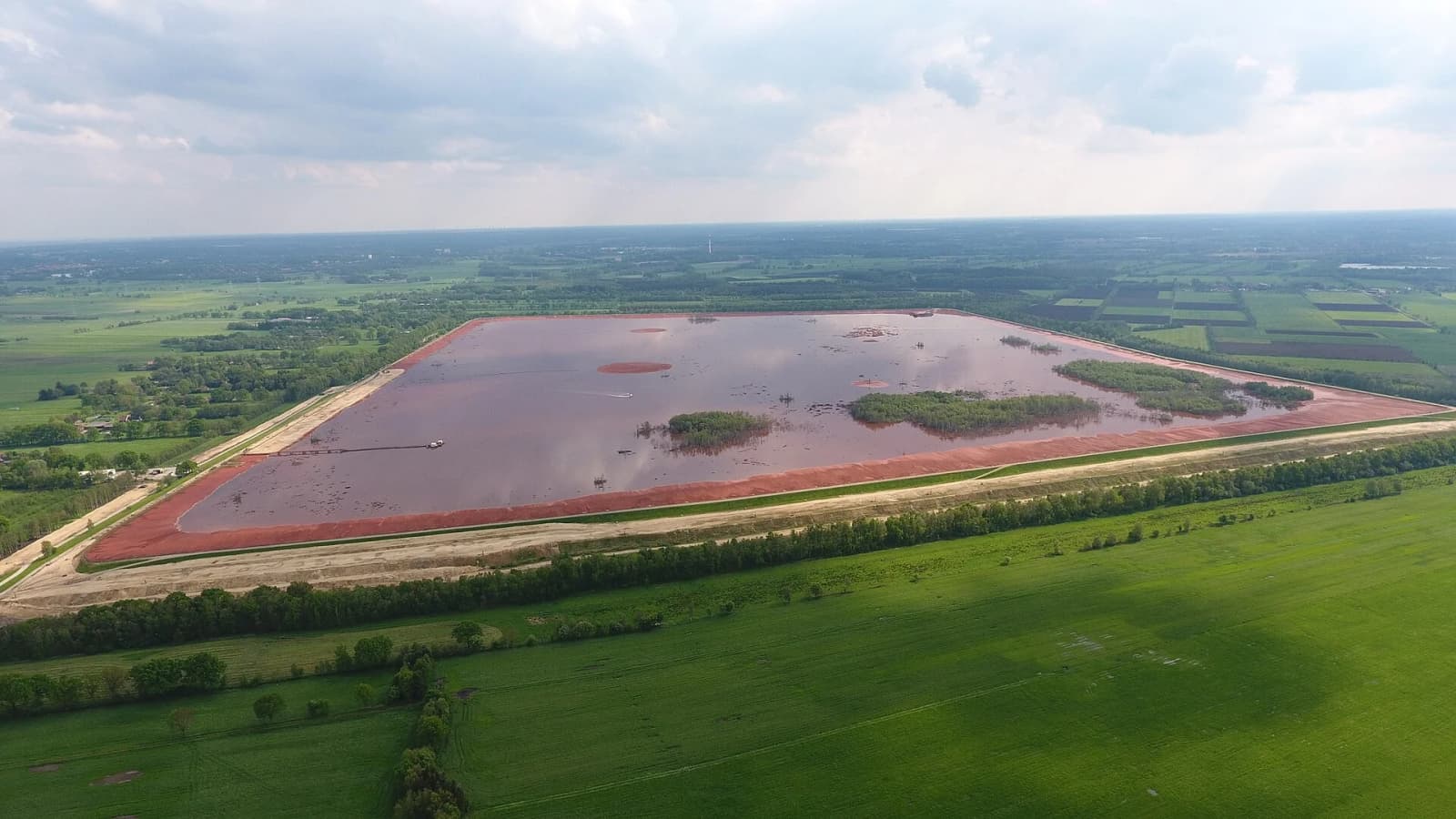
Red mud is the residue generated during alumina production and is generally treated as industrial waste, but it also contains valuable elements that can be recovered, ETV Bharat reported. Scandium is used in advanced materials and high-performance aluminium alloys, with applications in aerospace, defence and clean energy technologies, PSU Watch noted. Recovering it from an existing waste stream could improve the use of industrial by-products while adding to the supply of a strategic mineral.
Why does it matter for India?
The deal comes as India tries to build domestic capacity to secure minerals needed for emerging technologies and clean energy. Reuters also reported the pact on 18 November. For NALCO, it is part of a wider push to extract value from its residues: the company is setting up a pilot plant for gallium recovery from red mud at Damanjodi in collaboration with the Bhabha Atomic Research Centre (BARC) and other institutions, and is working with research bodies to recover rare earth elements, alumina and ferro-titanium from red mud and fly ash, according to ETV Bharat.
What is confirmed and what is not?
- Confirmed: the MoU was signed on 17 November 2026 in Bengaluru and covers knowledge exchange and evaluation of scandium-recovery technology.
- Not disclosed: any investment amount, timeline, plant location or decision to begin commercial production. The agreement is exploratory, and no financial terms have been made public.
What happens next?
The next step is a technical evaluation. NALCO has said the collaboration will help it assess whether suitable recovery methods can be adopted; any move to build a scandium recovery facility would depend on that assessment, and no such plan has been announced.
Photo source · Timo Mueller, CC BY-SA 4.0