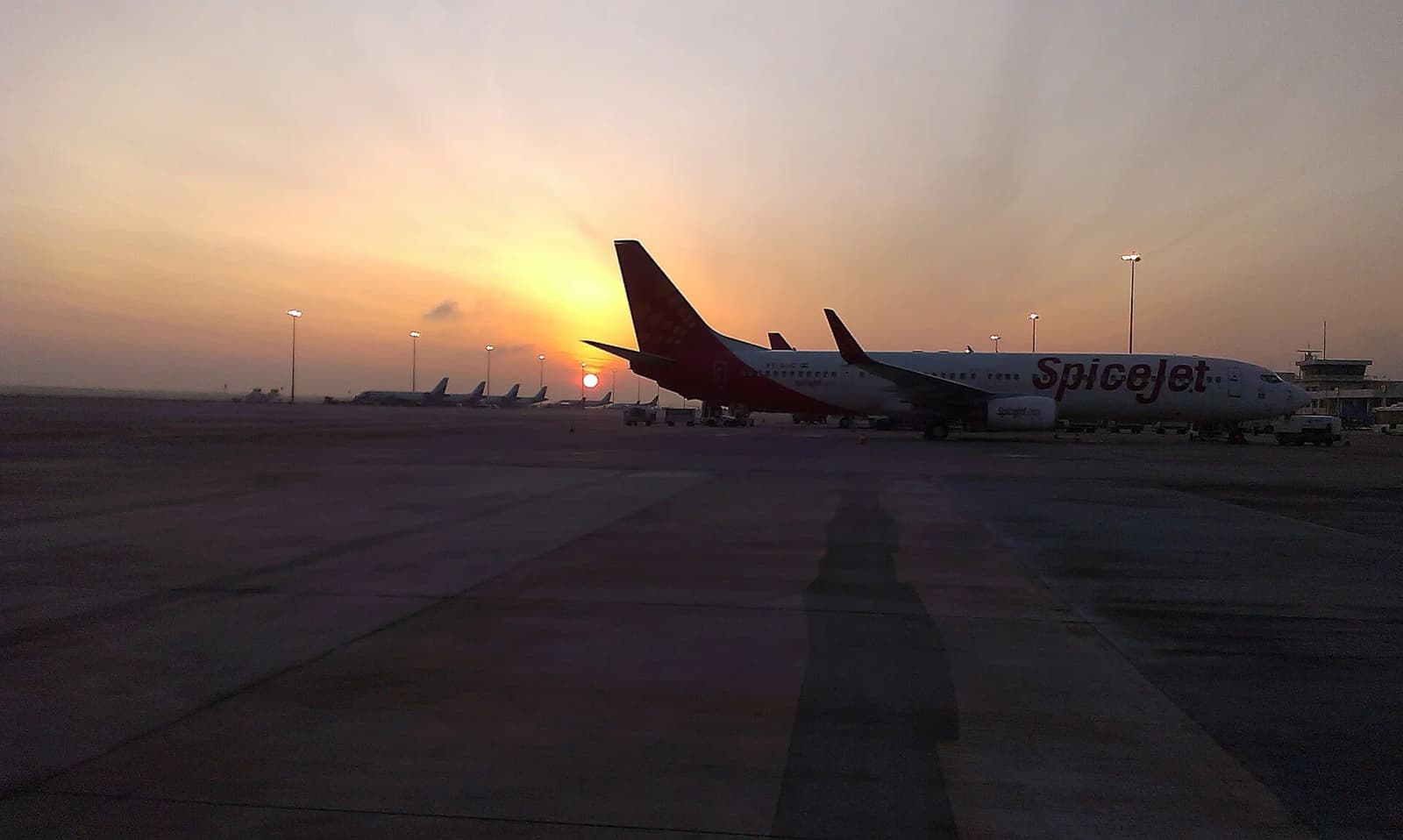
This MapMyTimes opinion piece sets out our editorial view, based on the public record cited below. On 18 November 2026, the board of SpiceJet Limited approved plans to raise up to ₹5,500 crore while most of the airline's scheduled flights stayed on the ground, as MapMyTimes reported. A rescue may yet come. But the first duty here is not to the airline's balance sheet. It is to the people who have bought tickets for flights that, on the evidence so far, are unlikely to take off.
What has happened so far?
SpiceJet is flying only a small part of the schedule it was cleared to operate. Business Today reported on 19 November that the Directorate General of Civil Aviation (DGCA) had approved 66 daily flights for the airline's winter schedule, which began on 25 October, but that it was using fewer than a quarter of them. Only six of 55 scheduled flights were operating on 19 November, nearly 70% of flights had been cancelled over the previous ten days, and six aircraft were in service, the report said.
The same report said the airline was still accepting bookings on all sectors, including Mumbai–Dubai bookings from 23 November, even though its Dubai flights had been suspended since 12 November over unpaid dues. Khaleej Times reported that SpiceJet's Dubai flights to Amritsar, Mumbai, New Delhi, Ahmedabad and Jaipur were cancelled on 17 November after check-in services were halted, and quoted Dubai Airports Chief Executive Paul Griffiths as saying the carrier "has got a few difficulties at the moment".
The board approval itself, in SpiceJet's filing with BSE Limited, is conditional: it needs shareholder and regulatory approvals, and no investor has been announced. Business Today also reported that the Ministry of Civil Aviation has issued a notice seeking the airline's response before taking any action.
Why should ticket sales be the first concern?
Selling a seat is a promise. When an airline keeps taking money for routes it is not flying, the cost of its crisis moves quietly from its lenders and shareholders to its passengers, many of whom cannot easily absorb the cost of buying a last-minute fare on another airline.
The rules do offer some protection. SpiceJet's own passenger rights page says passengers whose flights are cancelled can choose an alternative flight or a full refund, that refunds on card, net banking, wallet or UPI payments are processed within seven working days, and that compensation of up to ₹10,000 can apply where passengers were not told in time and no alternative flight is offered, in line with DGCA's Civil Aviation Requirement on passenger facilities. But a right to a refund is only as good as an airline's ability to pay it. A carrier that, by these accounts, has dues pending at an overseas airport is not one whose refund queue the public should simply take on trust.
What is the strongest case against stepping in?
The opposing view deserves a fair hearing. Stopping or restricting a struggling airline's sales can choke the cash that keeps it alive, frighten off the very investors it is courting and put thousands of jobs at risk. India's aviation market also benefits from more competitors, not fewer. And the government's room to act is limited: Civil Aviation Minister K. Ram Mohan Naidu said in September that there was limited scope to intervene in a privately run company, while adding that the regulator would keep watching its operations and finances, Gulf News reported.
These are serious points. But they argue for a careful, proportionate response, not for silence. Protecting passengers and giving a rescue a fair chance are not opposites. An airline that sells only what it can fly is more likely to keep the trust it needs to recover.
What should happen now?
First, SpiceJet should bring its published schedule in line with the aircraft it can actually fly, and stop selling seats on routes it cannot reasonably operate in the coming weeks, including Dubai until the dispute there is settled. Second, the DGCA and the ministry should make public the substance of their notice and the airline's reply, so passengers know where things stand. Third, the regulator should track and publish how many refunds are pending and how quickly they are being paid. Fourth, the airline should tell affected passengers directly, well before travel, rather than leaving them to find out at the airport.
None of this requires the government to pick winners in the market. It requires only that the public be told the truth about which flights will fly. SpiceJet Chairman and Managing Director Ajay Singh has said the fundraise is an opportunity to rebuild the airline and restore its brand. The fastest way to start is to stop making promises to passengers that it may not be able to keep.
Passengers holding SpiceJet tickets should check their flight status with the airline before leaving for the airport.
Photo source · Cgirish, CC BY-SA 4.0