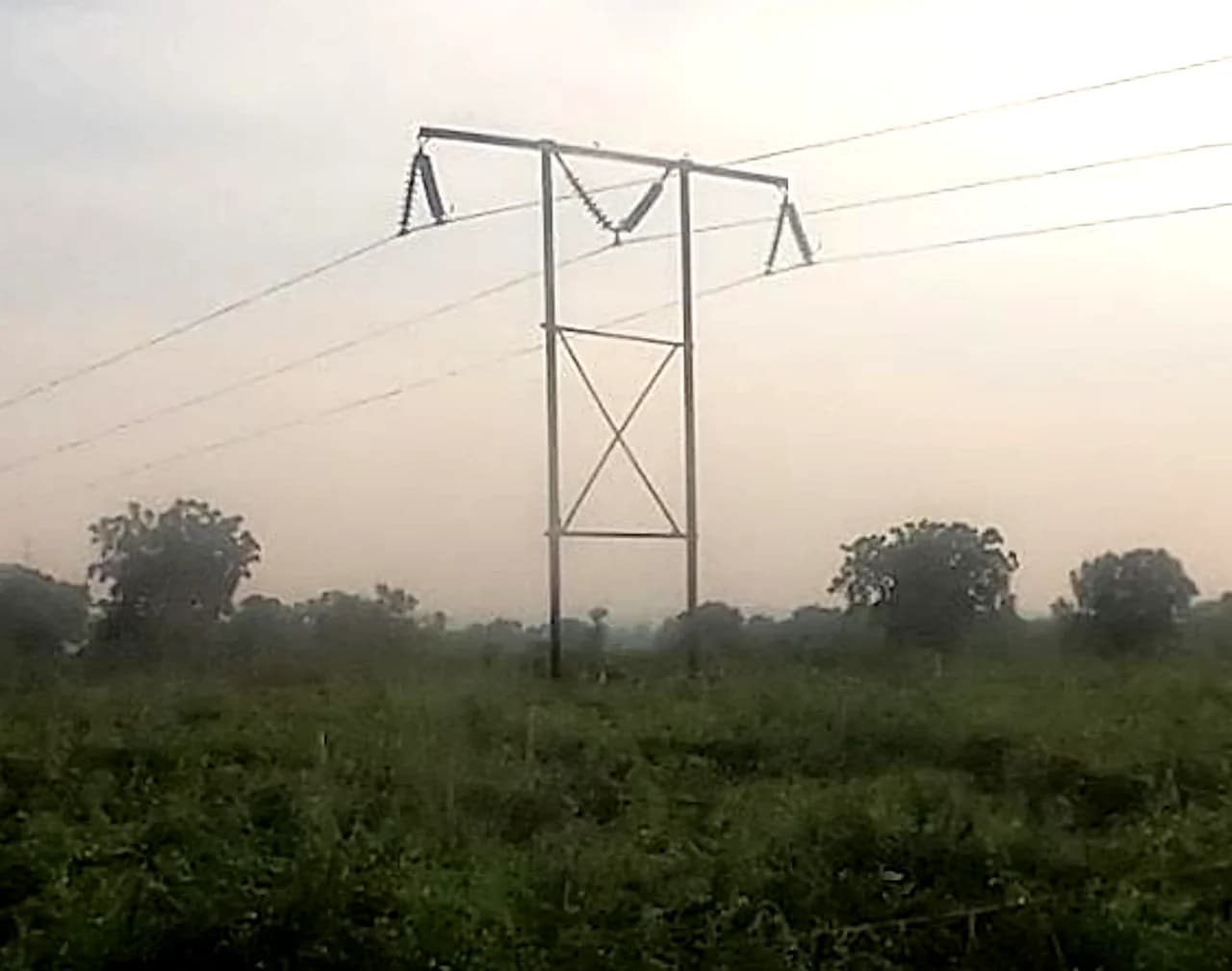
Electricity demand in Madhya Pradesh has climbed to about 18,500 megawatts as farmers step up irrigation for the rabi crop, and the state energy department has started drawing power from eight other states under banking arrangements to keep supply going, the Free Press Journal reported on Saturday.
The department is tapping every available source, including thermal and solar generation, to meet the load, according to the report. Banked power will be taken in two blocks each month until March 2027.
Eight states, two blocks a month
The states supplying electricity under the banking arrangements are Punjab, Odisha, Uttar Pradesh, Manipur, Haryana, Chhattisgarh and Kerala, along with supply from Kolkata in West Bengal. Each month is split in two: the first block covers the 1st to the 15th, and the second covers the rest of the month.
The amounts scheduled for the coming weeks rise steadily, according to the figures reported:
- 1–15 November: about 407 MW from Punjab, Odisha and Uttar Pradesh
- 16–30 November: about 2,229 MW
- 1–15 December: about 2,823 MW from Punjab, Odisha, Uttar Pradesh, Manipur, Haryana and Chhattisgarh
- 16–30 December: about 3,704 MW
- 1–15 January: 3,904 MW, with Kerala and Kolkata also supplying
The schedule means the volume of banked power for the second half of November is more than five times the amount for the first half, and it climbs close to 4,000 MW by mid-January.
Short power cuts, says the department
Energy department sources quoted in the report acknowledged that some load shedding is taking place, but said it is being kept brief in order to maintain the power lines.
The opposition has questioned that account. Former minister and Congress MLA Bala Bachchan told the newspaper that power cuts in his constituency last between half an hour and an hour. He alleged that farmers are not receiving enough electricity at a time when their rabi crops need watering.
Why it matters
Rabi irrigation drives Madhya Pradesh's seasonal peak: the state's demand is highest from October to March, while some partner states peak at other times of the year. Power banking lets states exchange electricity according to demand and availability, reducing reliance on short-term purchases. How smoothly these deliveries arrive will decide whether farmers face longer cuts as the season deepens.
The state has also been planning for the season through longer-term deals. Trade publication Powerline reported in August 2026 that Madhya Pradesh Power Management Company Limited and Uttar Pradesh Power Corporation Limited had signed a memorandum of understanding on medium-term power banking and joint bidding for 2,000 MW of solar-plus-battery storage capacity, with the two states' differing peak seasons as the rationale.
What next
The bigger tranches of banked power are due from 16 November and through December, as the rabi irrigation season continues. Farmers' groups and opposition legislators are likely to watch closely whether the additional supply shortens the outages being reported from rural areas. The banking arrangements run until March 2027.
PS · balu_geo, CC BY-SA 4.0