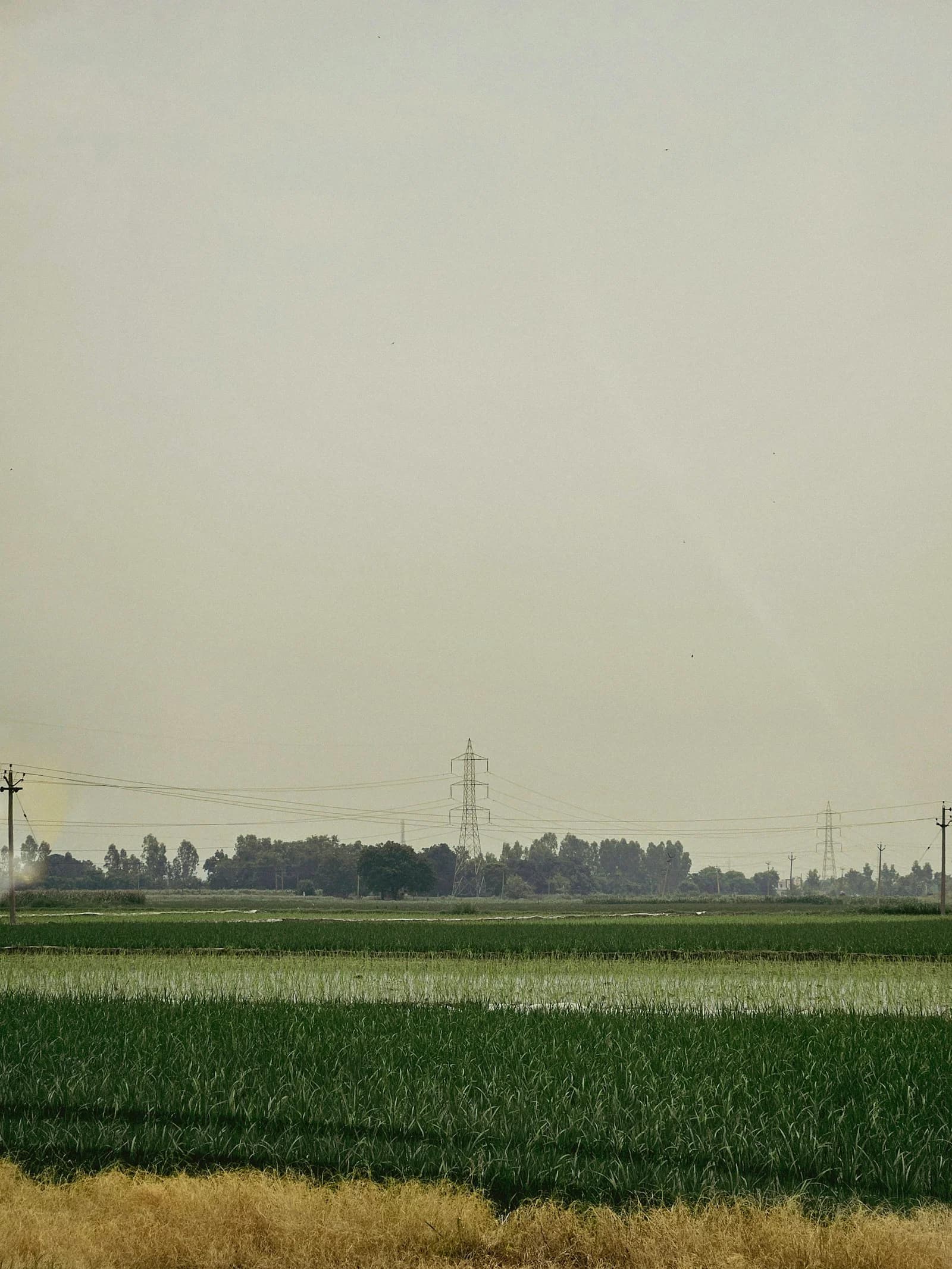
Electricity demand in Madhya Pradesh has climbed to about 18,500 megawatts as farmers step up irrigation for the rabi season, and the state energy department has lined up power-banking arrangements with eight states to keep supply steady through the winter, according to a report published in Bhopal on 14 November 2026.
The department is meeting the load with a mix of thermal and solar generation, and is now leaning on power drawn back from other states under banking agreements that run until March 2027, the Free Press Journal reported.
How the banking arrangement works
Power banking lets a state supply surplus electricity to another state when its own demand is low and take the same energy back later when it needs it, without a cash purchase. For Madhya Pradesh, the return flow is timed for the rabi months, when pumps run for wheat, gram and other winter crops.
According to the schedule cited in the report, electricity is being drawn in two 15-day phases each month, with the volume rising steadily:
- 1–15 November: about 407 MW from Punjab, Odisha and Uttar Pradesh
- 16–30 November: about 2,229 MW from the same three states
- 1–15 December: about 2,823 MW, with Manipur, Haryana and Chhattisgarh joining Punjab, Odisha and Uttar Pradesh
- 16–30 December: about 3,704 MW from those six states
- 1–15 January: about 3,904 MW, with Kerala and West Bengal (Kolkata) added
Energy department sources quoted in the report said load shedding was being kept to shorter durations and was linked to maintenance of power lines.
Complaints from farm constituencies
The opposition has questioned the supply picture. Congress MLA and former minister Bala Bachchan told the newspaper that power cuts in his constituency range from half an hour to an hour, and alleged that farmers are not receiving enough electricity to water their rabi crops. The government's response to that specific allegation was not reported.
Why it matters
Demand in Madhya Pradesh tends to peak in winter, when rabi farm activity is at its height. Last December the state set successive records: demand touched 18,971 MW on 9 December 2025 and then crossed 19,000 MW for the first time, reaching 19,113 MW, according to Free Press Journal reports at the time. Energy Minister Pradyumn Singh Tomar said then that the peak had been met without interruption.
Banking already played a part in meeting that record. At the 19,113 MW peak, about 2,250 MW came from banked power, alongside roughly 3,798 MW from thermal plants, 909 MW from hydropower, 1,699 MW from renewable sources and 10,457 MW from other sources including NTPC, the newspaper reported last year.
The planned banking volumes for December and January this season are larger than the banked share used at last year's peak, which suggests the state is preparing for demand at least as high as last winter.
What happens next
Banked supply from Punjab, Odisha and Uttar Pradesh is due to rise more than fivefold from 16 November, and more states join the arrangement from 1 December. With colder weather forecast for the state after 15 November, the coming weeks will test whether the arrangements can hold off longer cuts in rural feeders. No official figure for a new all-time peak this season has been reported so far.