Meghalaya Chief Minister Conrad K. Sangma on Thursday, 19 November 2026, told a gathering of musicians and industry professionals in Shillong that the state wants to be known for the music it creates, not just the concerts it hosts. Speaking at the Shillong edition of India International Music Week (IIMW) at the Courtyard by Marriott hotel, he said the state's Meghalaya Grassroots Music Project (MGMP) has so far supported about 8,000 artists, and that the government now plans professional studios and music schools to help local performers move from cover songs to original work.
"We will not be just a concert capital — we will be a music capital," Mr Sangma said, according to reports by Meghalaya Times and Northeast News.
What did the Chief Minister announce in Shillong?
He set out a next phase for the state's music policy built around original compositions. According to the reports, the government plans to set up professional recording studios and music schools, and to bring in international music industry experts to mentor young artists from the state.
Mr Sangma said Meghalaya would become a true music capital only "when our music starts impacting the national and global music scene". He told the audience that talent and passion alone were not enough, and stressed professionalism, networking and authenticity as well.
In a post on X, he summed up the message: "The journey from being a concert destination to becoming a music capital starts with creating music."
What is the Meghalaya Grassroots Music Project?
The MGMP is the state's support programme for musicians. Mr Sangma traced its origins to his own youth, when he played in a band that had no institutional backing. "We as a band had to arrange everything by ourselves," he said, recalling how the group handled everything from sound and travel to posters, according to Hub Network.
"Today, 8,000 artists were supported by MGMP making it the largest community of musicians," he said. The figure is the Chief Minister's own; MapMyTimes could not find an independent breakdown of how many artists received money, performance slots or other help.
"The children and youth deserve a platform to do the things they love, and a channel to express themselves and grow," he said. "They are very passionate and extremely talented, and they just need the platform and guidance."
What is India International Music Week?
IIMW describes itself as India's global music conference and showcase festival, with the stated aim of making India a trade hub for the global music industry. Its Shillong stop is part of the IIMW On Tour initiative, which takes industry professionals to different cities to build contacts and collaboration.
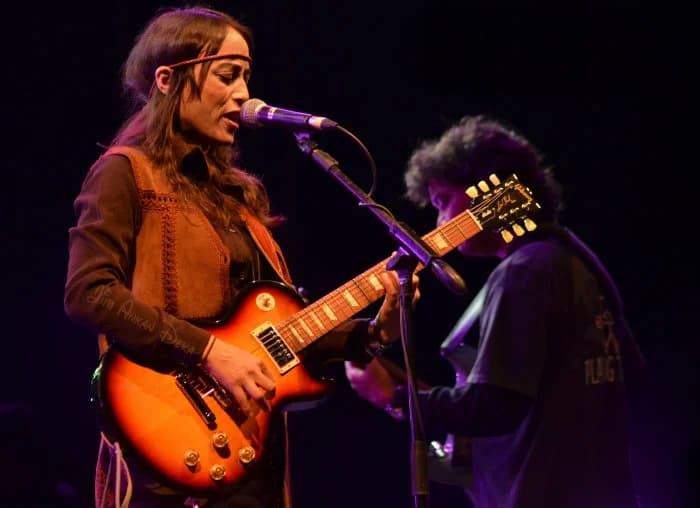
The Shillong day brought together around 250 to 300 artists, music professionals, promoters and cultural leaders from the region for talks, workshops and networking sessions. It ended with an evening networking session and a live showcase of Shillong's musicians.
Why it matters
Shillong has long been known for its live music scene, and the state government is now trying to turn that reputation into an industry that produces and sells original work. The shift Mr Sangma described — from cover bands to original songs, backed by studios, schools and mentoring — would need sustained investment, and the government has not yet published a timeline or budget for the planned studios and music schools.
Mr Sangma also pointed to tourism. He said Meghalaya is the only Indian destination on the BBC's "20 Places to Visit in 2027" list, alongside France, Italy, New Zealand and Madagascar.
What happens next
Visiting IIMW delegates are scheduled to attend Shillong's Cherry Blossom Festival on 20 and 21 November 2026. Details of the proposed studios and music schools, including locations and costs, have not been announced.
Shillong's push comes in a busy week for Indian music. In Ahmedabad, the Bhadra Festival returned after 12 years with a concert at Teen Darwaza, while the classical music world is mourning vocalist and journalist Sakuntala Narasimhan.
Photo source · Jim Ankan Deka, CC BY-SA 3.0